
CANVALITE 100/180 Nail Files 10-Pack: The Salon Kit That Splits Natural-Nail Users and Acrylic Fans
We earn commission from qualifying Amazon purchases. It costs you nothing and does not affect what we recommend.
A 10-pack of double-sided emery boards for under a fiver sounds like a no-brainer, and 10,000 people bought them last month alone. But the 100/180 grit combo is a two-faced beast: nail techs love the aggression on acrylics while some natural-nail owners end up with split thumbnails. Here's who they actually suit.
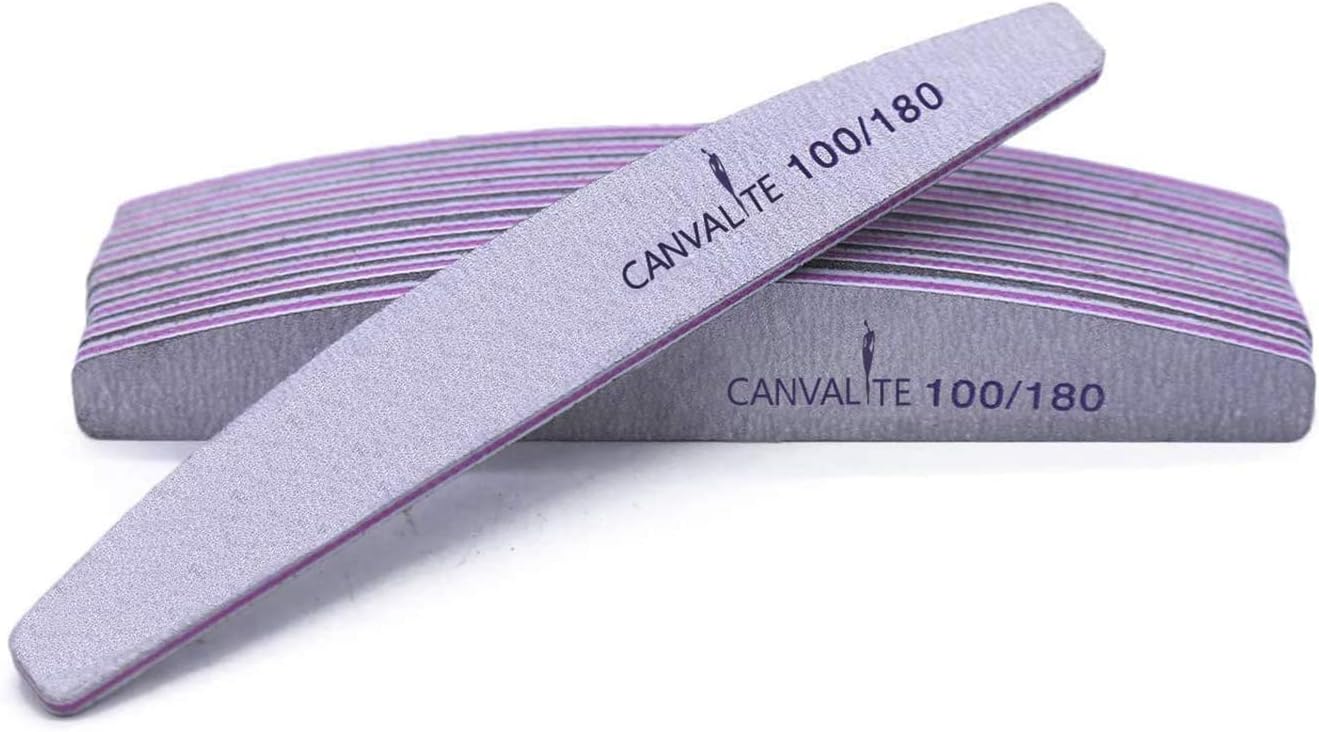
At £3.99 for ten files, the CANVALITE 100/180 double-sided emery board sits in that sweet spot where you don't really need to think twice before adding it to a basket. Roughly 10,000 packs move every month. What an averaged star score flattens out is the clearest split I've seen in a nail product review set: working nail techs writing five-star raves alongside natural-nail owners describing split thumbnails and bleeding cuticles. Same file. Completely different verdict. This review digs into why.
Why This Pack Divides Buyers Down the Middle
Most nail file reviews sit in a narrow band. Either it works or it doesn't. This one is different. Read five-star reviews in isolation and you'll see phrases like "salon quality," "fantastic, feel professional," and "I buy these all the time for myself and work." Sophia, a repeat buyer, put it bluntly: "I buy these all the time for myself and work. Excellent value for money and quality."
Then there's the other camp. Julie Edwards left a one-star review: "These are terrible. They are far too coarse and rough. Made my skin round nail bleed. Left sharp edges and have to keep filing them." Maggie G's complaint was even shorter: "Extremely sharp and split my thumb nail."
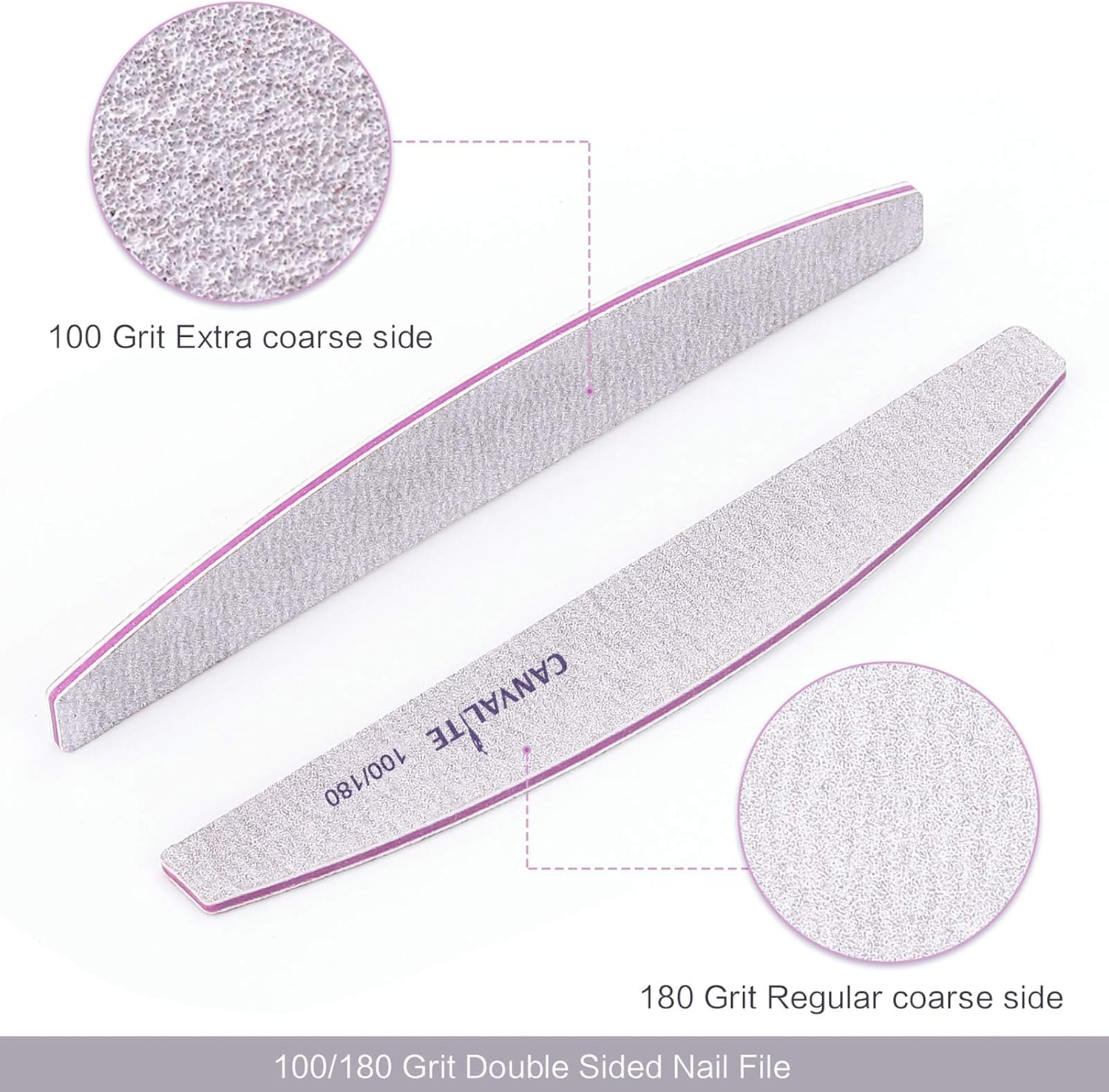
Neither group is lying. The difference comes down to what they were filing. The 100-grit side is an industrial-strength tool designed to knock acrylic enhancements into shape in under a minute. Point it at a thin natural thumbnail and it will cause damage. The 180-grit side is closer to what most bathroom drawers expect from a nail file, but even that is on the coarser end for delicate natural nails. If you've only ever used the pharmacy-counter paper files, the step up in aggression here is real.
 Featured
15% OFF*Limited offer
One Sunday. A week of food, sorted.
23 high-protein recipes, cycle-synced for women who lift.
23 recipes · 60-page PDF · Instant download
£19.20 £16.32
See it on Etsy*Seller's discount on Etsy - may end at any time.
Who the 100 Grit Side Is Actually For
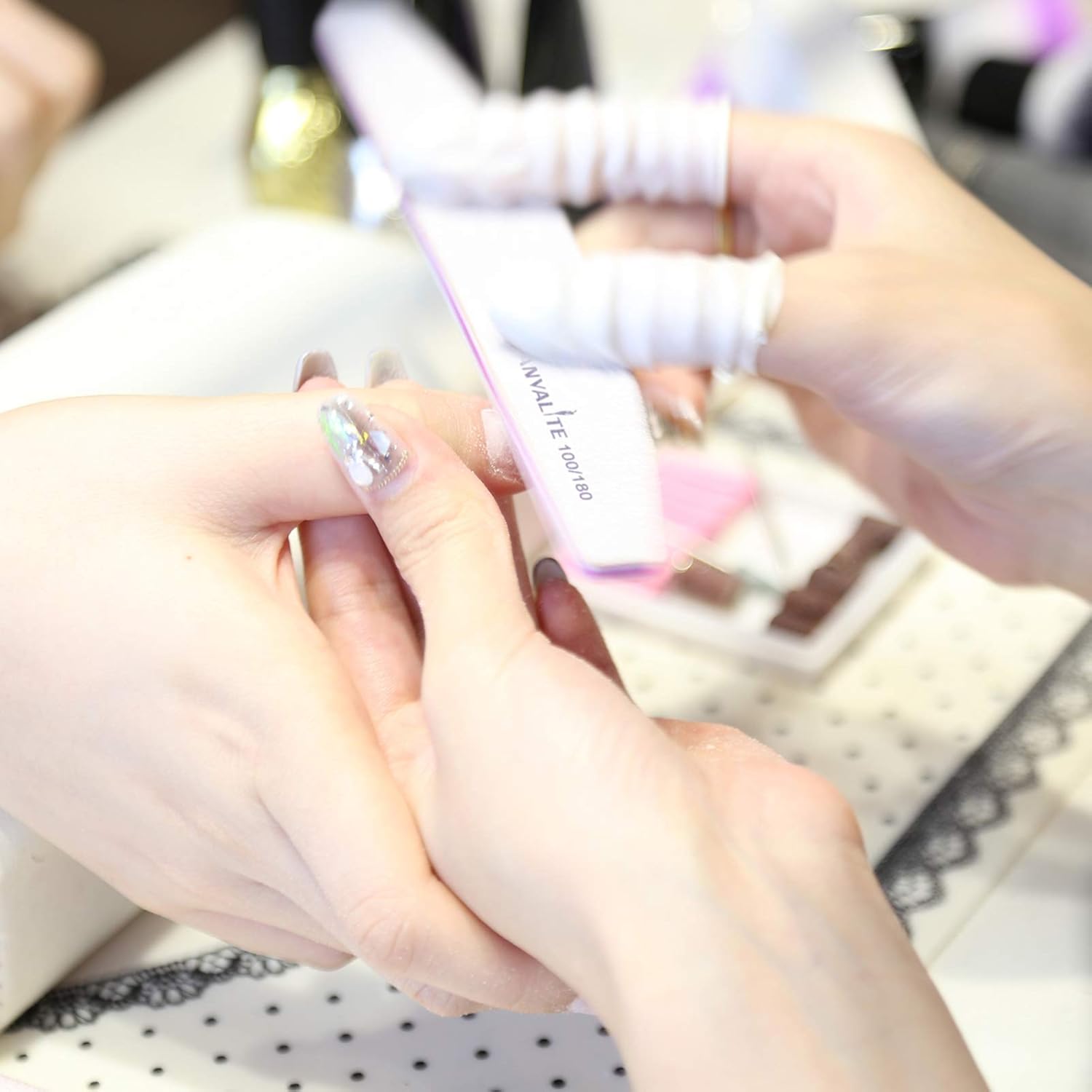
If you wear acrylics, gel extensions, or builder gel, this is where the pack pays for itself many times over. A 100-grit file is the accepted industry standard for shaping and taking down product. You won't find a salon without something close to this number sitting on the nail tech's tray.
Neha Malik, a reviewer who uses the files on clients, wrote: "Use this on my clients and shapes acrylics so well and really helpful." Kirsty Hicks echoed it: "Amazing files, love them for my nail business!" The reason they keep showing up in working nail techs' kits is simple: at around 40p per file, they're cheap enough to dispose of after a client if you want to, and sturdy enough that you don't have to. One buyer on their first file noted they were still on it after weeks of use: "I'm still on my first one so they will last me a long time, but I would definitely buy again."
If you've been paying £2 to £4 per file at the salon supply counter, ten for £3.99 is an obvious win. Check current stock here.
Why Natural-Nail Owners Keep Getting Caught Out
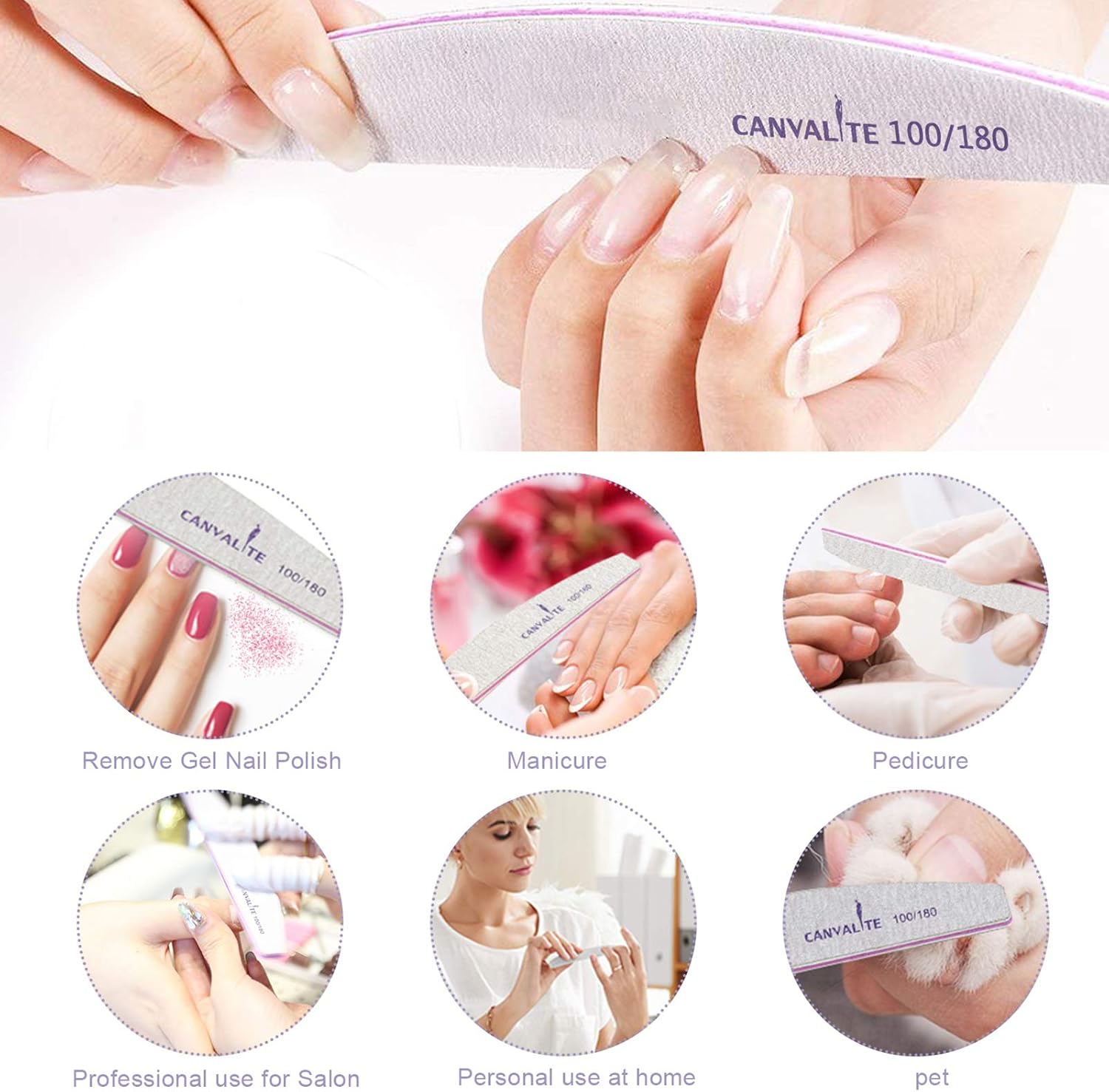
The listing says "100/180 Grit" and markets the pack for home use, which is where the mismatch happens. If you bought these for a tidy-up of your own grown-out polish, you've picked up a file designed for reinforced synthetic nail material.
CheshireCat's four-star review captured the frustration politely: "My fault, but the grit on these is far too coarse for what I was wanting them for - natural nails - as it shreds/flakes the nail instead of nicely filing." Lisa's two-star was blunter: "They rip at your nails rather than file, seem very cheap." Paula Farrell found a middle ground at two stars: "Good value for money, however feel a bit harsh for natural nails, great for filing acrylic nails etc."
For natural nails, you want the 180-grit side only, a very light touch, and strokes in one direction (the listing actually says this in the directions, but it's easily missed). Filing back and forth on coarse grit is what causes splitting and shredding on thin natural nails regardless of brand. If your nails are already soft or peeling, a 240 or 280-grit file is a better buy than this pack.
CANVALITE 10-Pack Professional Nail Files 100/180 Grit
Salon-grade double-sided emery boards for acrylic, gel, and pedicure work. Ten files, 17,589 ratings, 4.5 stars.
The Surprise Use Case: Feet
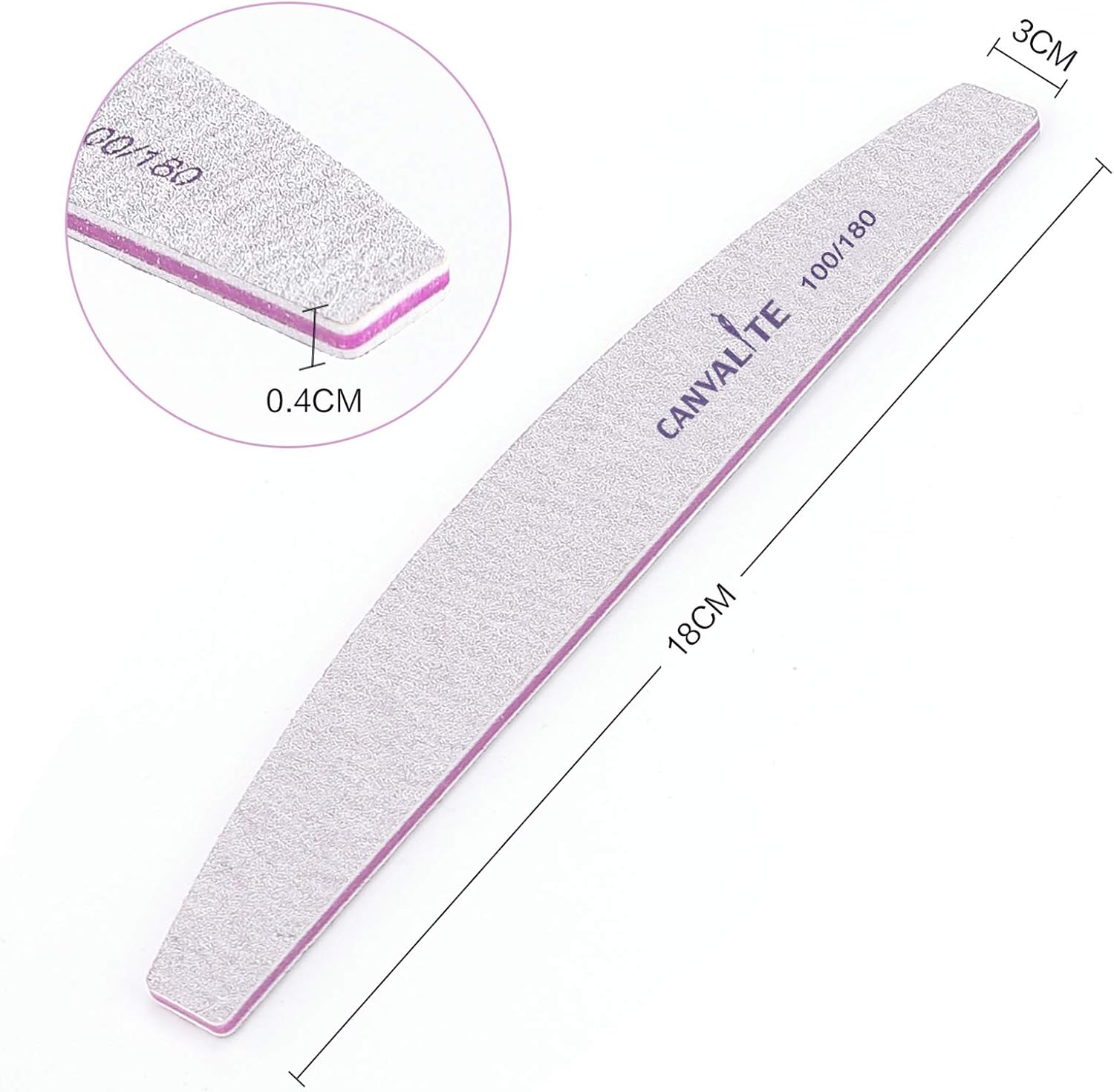
Something I didn't expect to find in the reviews: podiatrist recommendations. NetteH wrote a five-star review saying, "Great foot file, use them for my hard skin on my feet, as recommended by my podiatrist, as well as my nails." Lisa G added: "Great for finger nails and any rough skin on feet. Slightly finer grade on one side." CyberMum found them useful on thick toenails: "They are very good for strong or thick toenails too."
That makes sense. The 100-grit side is aggressive enough to take down callus on heels without clogging the way a metal foot file often does, and the board is long and stiff enough to get proper pressure on it. If you use a separate pedicure file, you could probably retire it and keep one of these in the bathroom instead. The 18cm length is a big part of why they work for feet: enough span to stroke across a heel in one pass.
Build Quality, Smell, and Durability: The Small Print
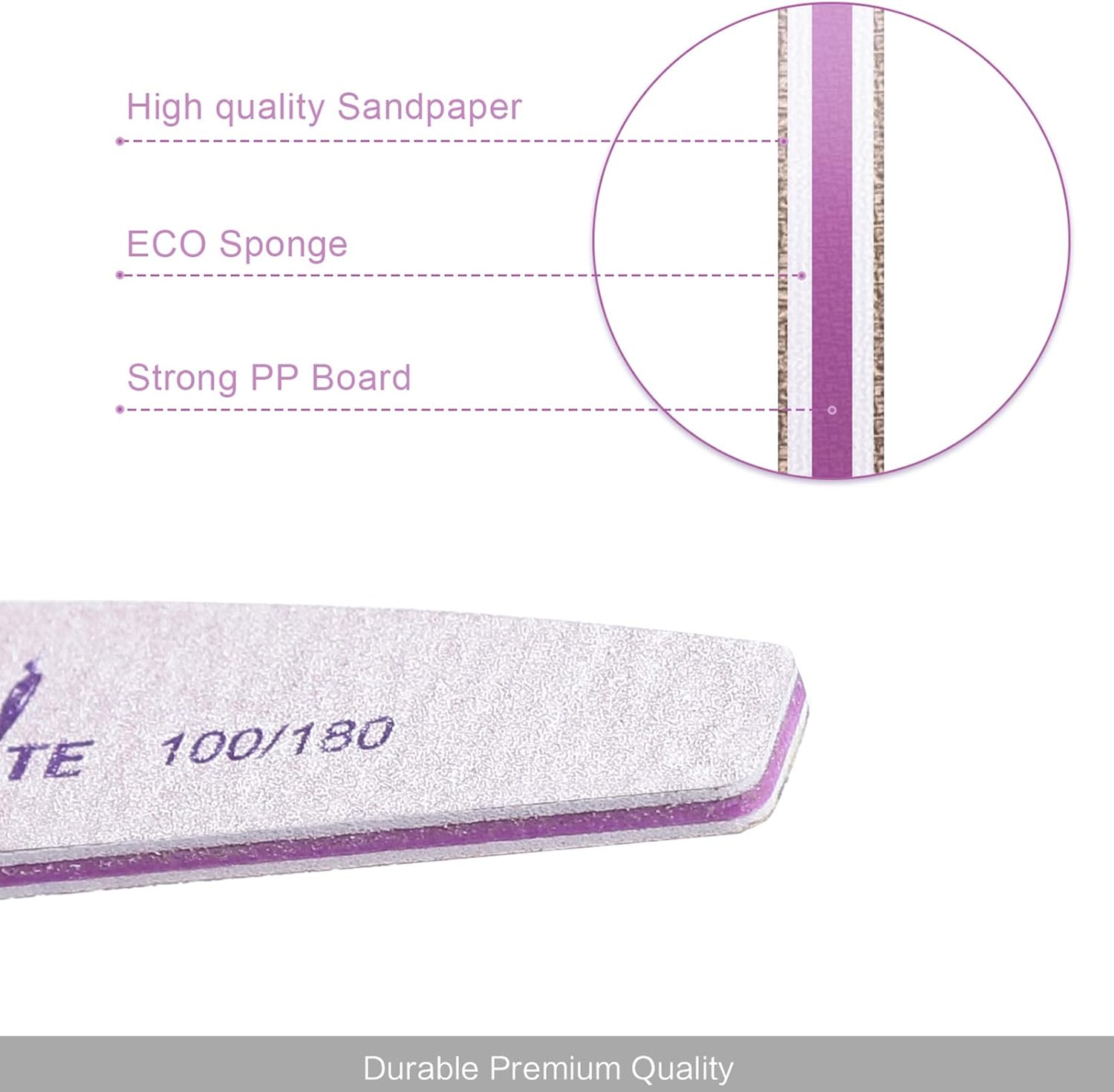
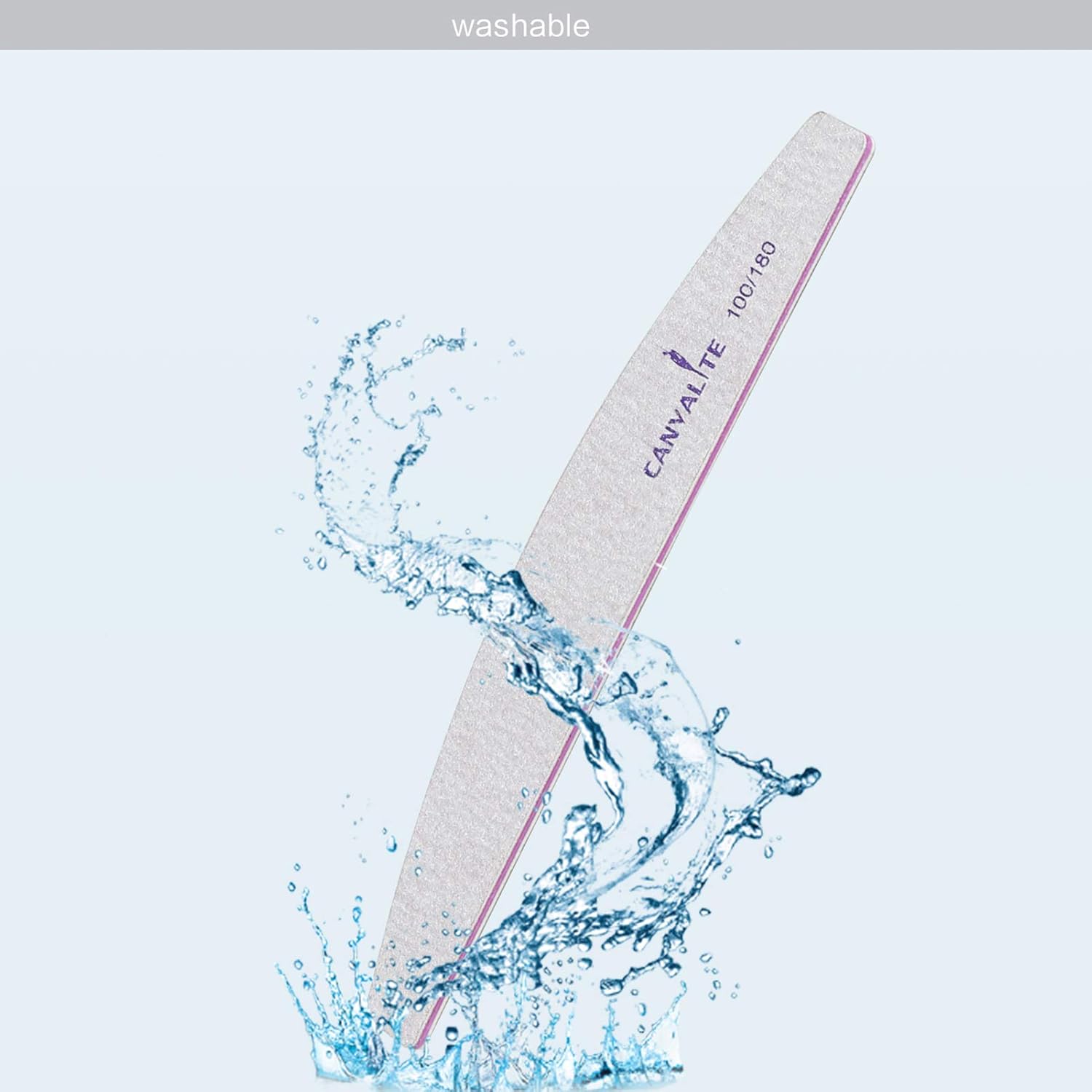
Construction is better than the price suggests. The files use a sandpaper surface bonded to a compostable cellulose sponge layer, wrapped around a polypropylene core. That sponge layer is what stops them snapping when you press hard, and it's what most cheap single-layer files lack. The listing says the files are washable and water-resistant, and reviewers confirm they hold up to a quick rinse. Nicola uses hers with a gel pedicure kit and described them as "long lasting."
Two legitimate complaints turn up often enough to flag. First, smell. Paulina Vanagaite wrote a one-star specifically on this: "Extremely strong chemical smell. Not sure if it's the glue or material is causing this." A Swedish reviewer noted "luktar lite bränt efter att ha filat," which translates to "smells a bit burnt after filing." I'd expect this to air out after a few days out of the packaging.
Second, grit shedding. Christopher Ian Pedley's one-star said: "The grit comes off them rather than them filing the nails." This isn't consistent across reviews but appears often enough to suggest occasional quality control variance. Karla Starkey found the files "blunt quickly" as well, though she still gave four stars. If you buy the pack expecting each file to last months of heavy salon use, you may be disappointed. If you see them as semi-disposable at 40p each, the math still works.
One niggle worth mentioning: the edges aren't generously rounded. Stefan's three-star review pinned it: "Great files, would have loved the edges to be more round to get into nail corners easier." For precision work around cuticles and corners you may still want a smaller curved file alongside these.
Grit Accuracy and What You're Actually Getting
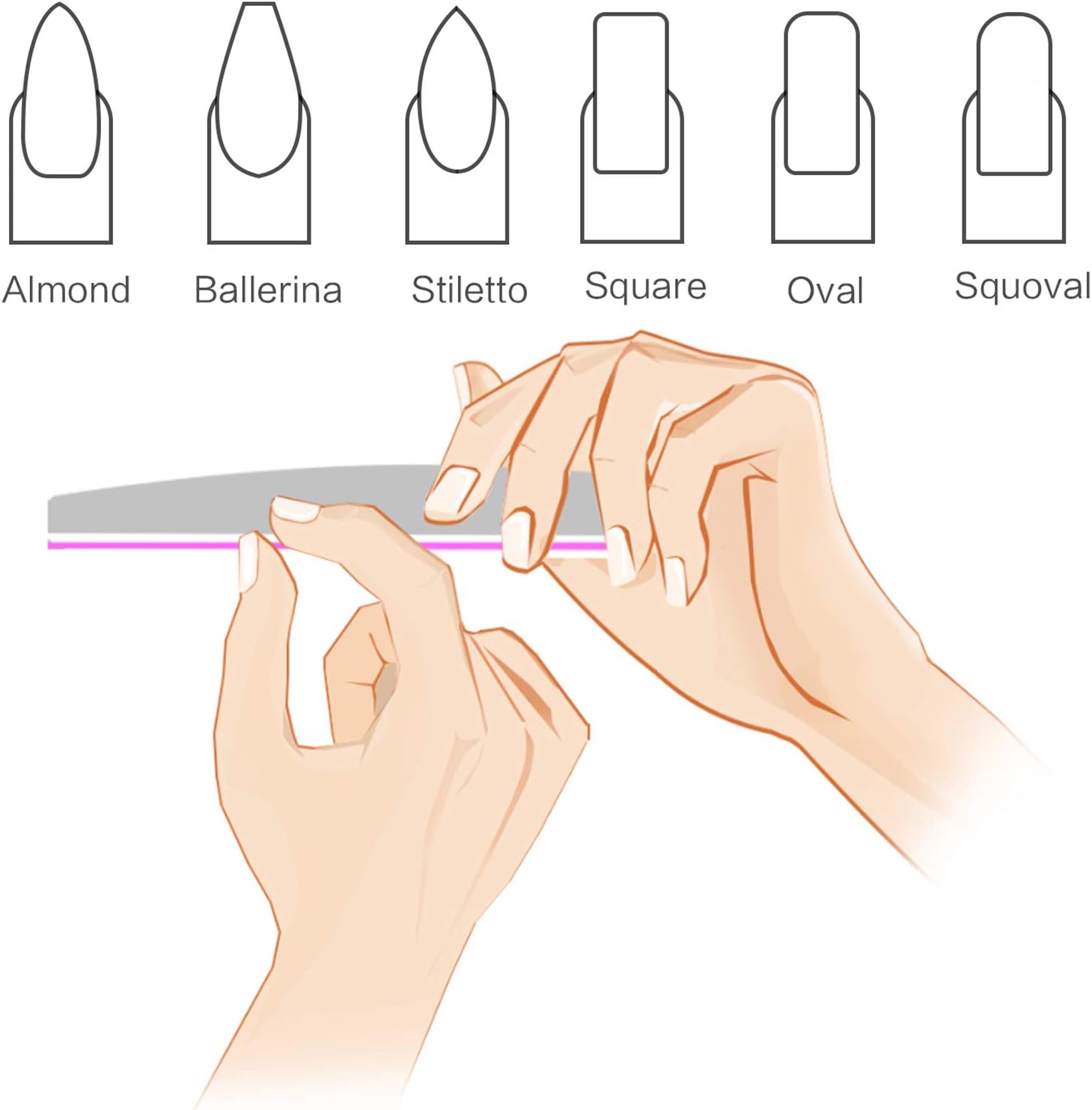
A small cluster of reviews push back on whether these are really 100/180 as advertised. Natalie's one-star: "Not professional nail files, they are too close for what they are advertised for and it clearly not 100 180." This one's hard to verify without lab testing, and some sellers in the budget space do label optimistically.
Practically, here's what matters: if you're taking 0.5mm off an acrylic tip, you won't notice a difference between true 100 and labelled 100. If you're trying to buff a natural nail to a polish-ready surface, a genuine 180 would feel smoother than what this pack delivers on its "fine" side. Buyers have flagged the same gap in reviews, and it's the one spot where CANVALITE's marketing oversells slightly.
What I'd Actually Buy This For
Put plainly: if you do your own gel, acrylic, or builder gel at home, or you're a working nail tech who gets through files, this pack is a no-brainer at £3.99. Ten files at that price is cheaper per unit than most single files on the beauty aisle, and the build quality is better than it has any right to be. Caz, who loses hers on holiday and keeps rebuying, summed up the repeat-buyer pattern: "Buy these on a regular basis as I tend to lose them when going on holiday, they really do the job well."
If you have thin, peeling, or damaged natural nails, skip this pack and spend a bit more on a 240-grit file designed for delicate nails. No amount of careful technique will make a 100/180 the right tool for that job.
If you're somewhere in the middle, with reasonably sturdy natural nails and occasional gel polish, the 180-grit side with a one-direction stroke will serve you fine, and you've got nine spares in the drawer for when the first one dulls.
CANVALITE 10-Pack Professional Nail Files 100/180 Grit
Salon-grade double-sided emery boards for acrylic, gel, and pedicure work. Ten files, 17,589 ratings, 4.5 stars.