
The Retinal That Turns Your Skin Yellow on Purpose: A Celimax Beginner's Guide
We earn commission from qualifying Amazon purchases. It costs you nothing and does not affect what we recommend.
A retinal serum that leaves a yellow cast on your face sounds like a defect. With the Celimax Vita A Shot, it is the active ingredient doing its job. The trick is knowing which yellow is normal and which one means something has gone wrong.
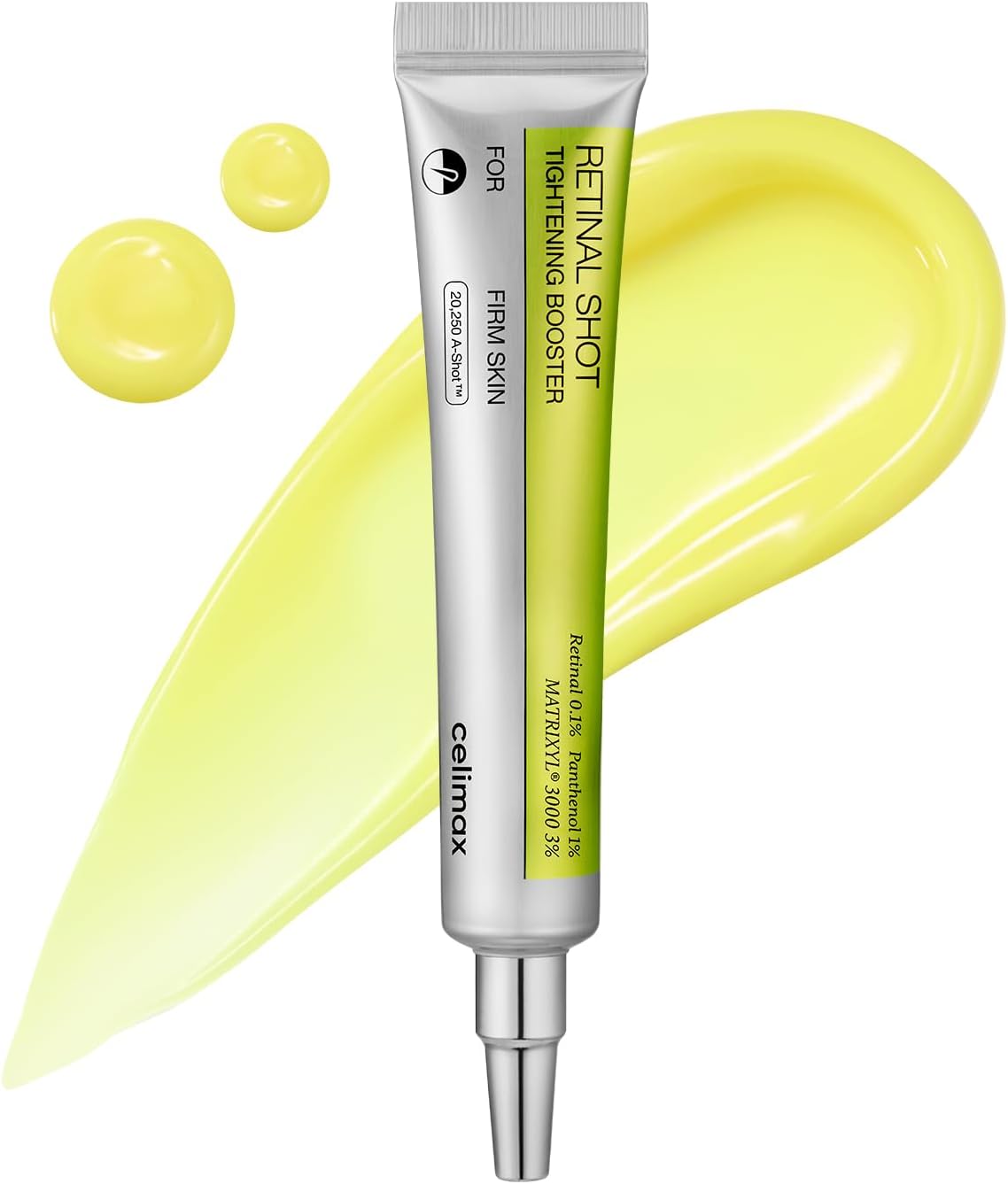
Picture rubbing a serum into your face at night and looking in the mirror to find a faint yellow tint staring back. Your first thought is that something is wrong with the product. With the Celimax The Vita A Retinal Shot Tightening Booster, that yellow is the retinal itself, and it is meant to be there. Celimax even spells it out: the retinal “may cause your skin to appear slightly yellow after application” and it washes off completely with cleansing.
This is a 15 ml tube of 0.1% retinal paired with Matrixyl, priced at £12, and its Amazon lifetime average sits at 4.3 across more than 17,000 ratings. That is a lot of trust for a small tube. But the recent reviews are split harder than that headline number suggests, and a fair chunk of the complaints come down to people not knowing how a potent retinal is supposed to behave. So rather than tally up stars, this guide walks through what you actually need to know to use it well: how strong it is, why it turns you yellow, who tends to get on with it, and the one complaint that really is a problem rather than a misunderstanding.
What is actually in the tube
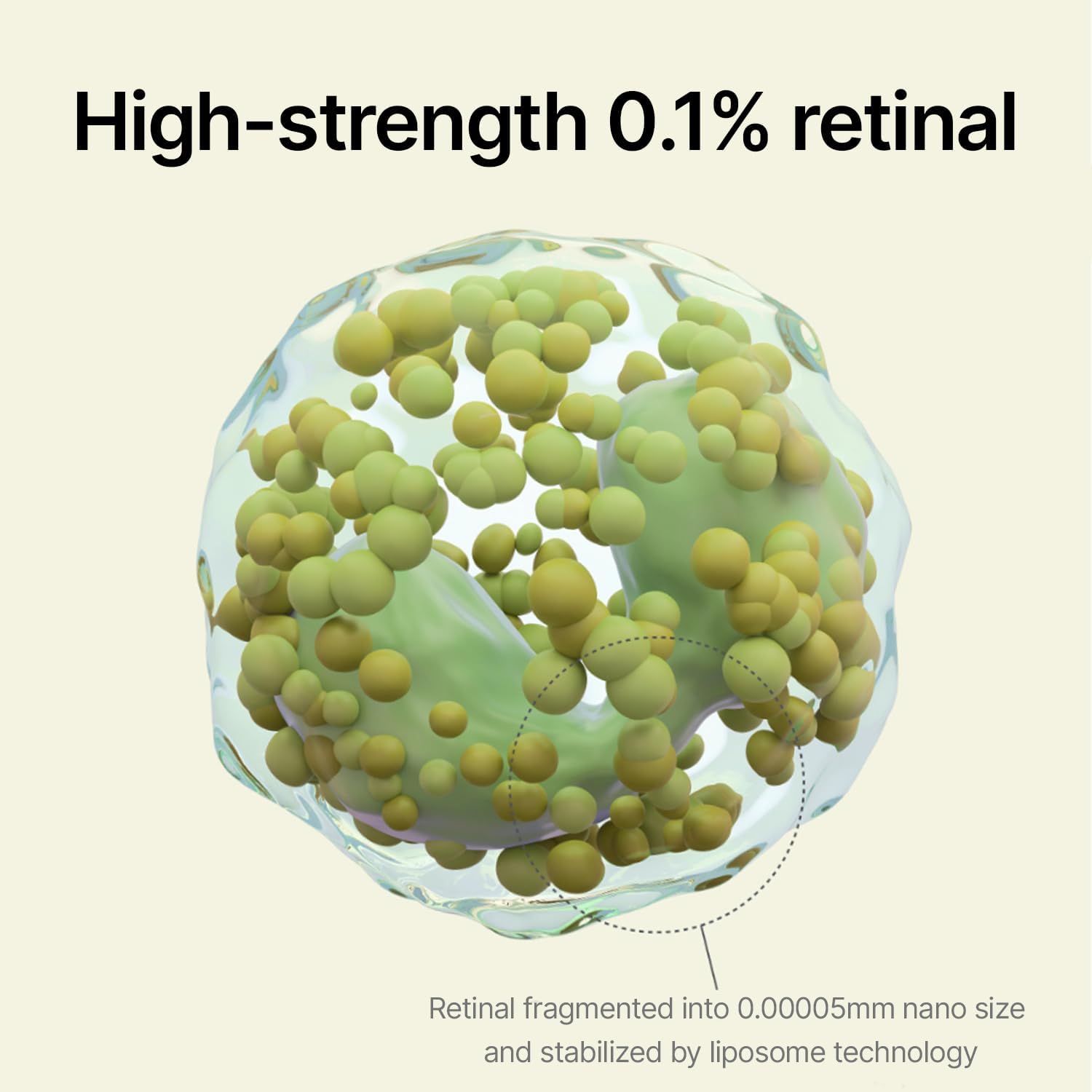
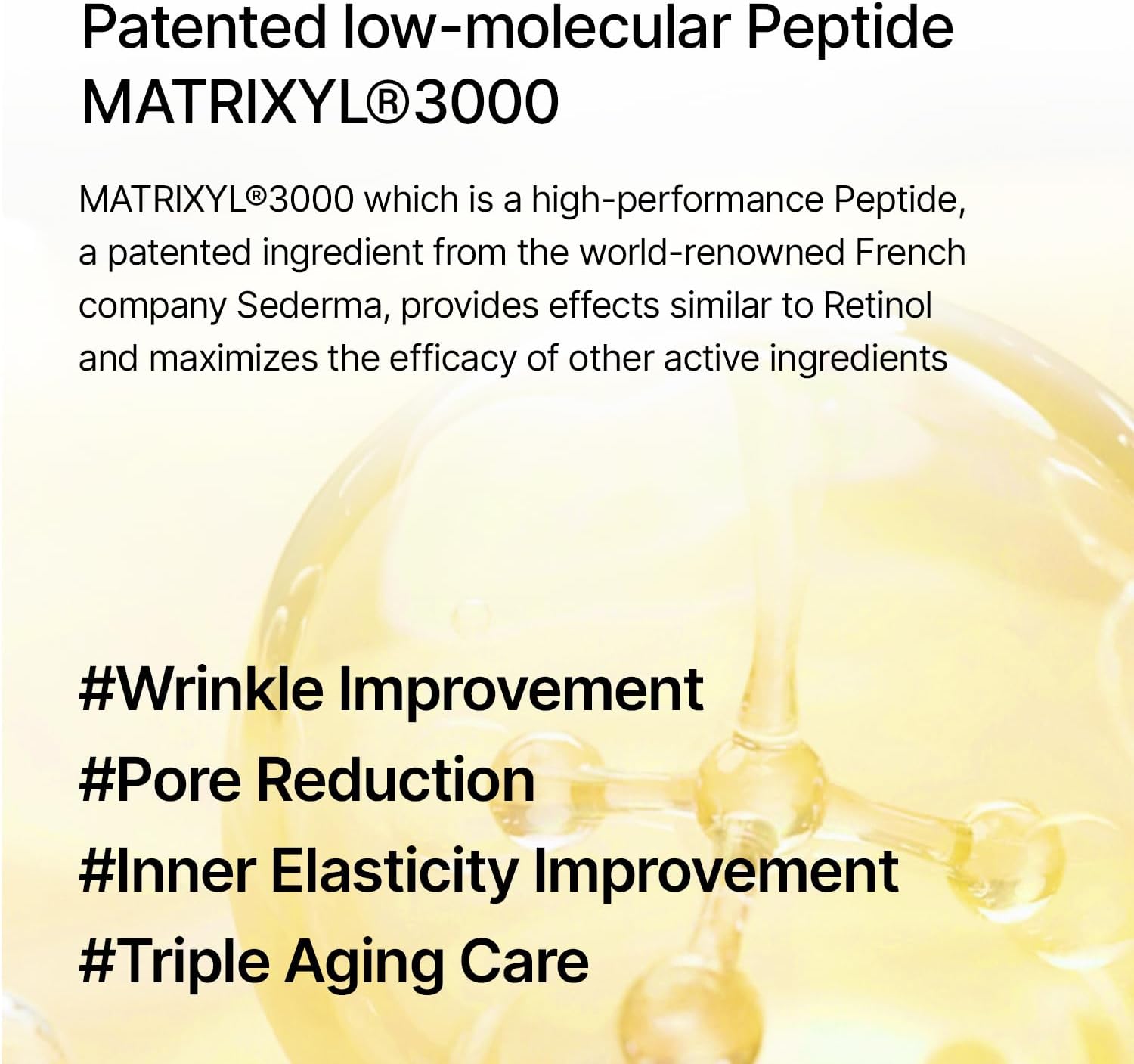
Retinal, also written retinaldehyde, sits one step closer to active retinoic acid than the retinol most drugstore serums use. In plain terms, your skin has to do less converting before it gets to work, which is why people often describe retinal as stronger or faster-acting than an equivalent retinol. Celimax uses it at 0.1%, which is a meaningful concentration for an over-the-counter product, and combines it with Matrixyl, a peptide aimed at firmness and fine lines.
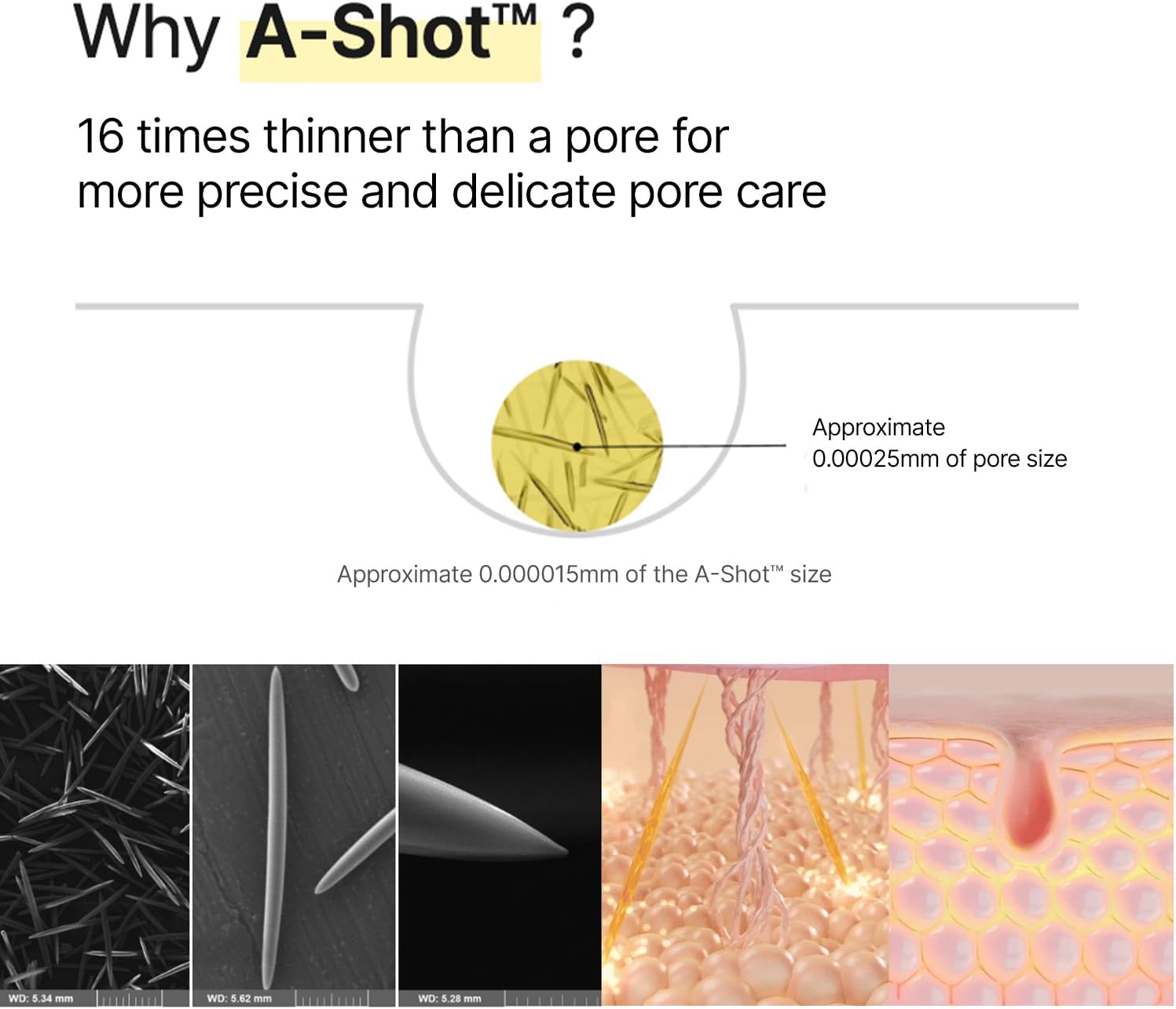
The brand also makes a point of its delivery system. The retinal is liposomised and the particles are described as a refined micro-ingredient “16 times thinner than pores”, designed to drop into the pore and carry the active deeper while keeping irritation down. Whether you can feel that working is another matter, but the pitch is clear: deliver a strong active without the usual sandpaper reaction.
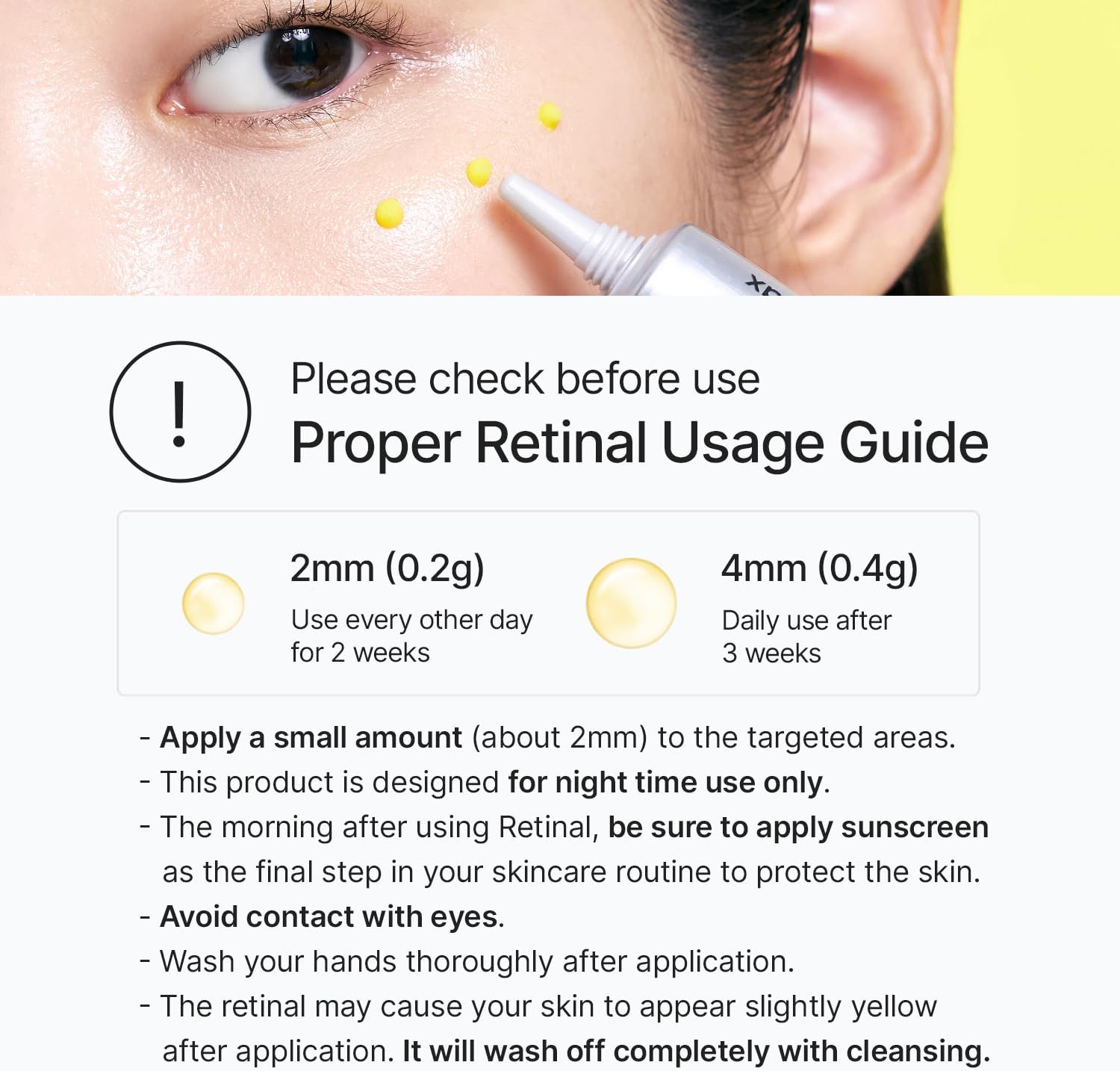
What you do not get is a big tube. At 15 ml this is a targeting product, not a slather-it-everywhere moisturiser, and the instructions back that up: a single drop on the areas you care about. Several happy reviewers use it exactly that way. Soti dots it on “forehead wrinkles, around eyes and neck” and nothing more. Treat it like a potent spot treatment for lines and texture rather than an all-over serum and the small size makes a lot more sense.
 Featured
15% OFF*Limited offer
One Sunday. A week of food, sorted.
23 high-protein recipes, cycle-synced for women who lift.
23 recipes · 60-page PDF · Instant download
£19.20 £16.32
See it on Etsy*Seller's discount on Etsy - may end at any time.
The yellow tint, decoded
This is the part that throws people, so it is worth being precise. The Celimax retinal is a vivid yellow in the tube, and once it is on your skin it leaves a yellow cast until you wash it off. That is normal and expected. Amazon Customer, who rated it five stars, put it bluntly: the serum is “an extremely bright yellow, which is quite obvious on light skin tones”, and added that “this is definitely a cream where less is the best way to go”. Useful advice, because piling it on makes the tint more obvious without making it work any better.
Because it is a night-only product, most people never see the tint in daylight. Soti applies it before bed and said “in the morning I wash it off and with no effort at all”, which is the experience Celimax describes. One reviewer, rosied, even treated the colour as reassurance: the serum “is yellow as retinol should be so let's hope it works”.
Not everyone takes to it. A handful of one and three-star reviews boil down to disliking the colour itself rather than any reaction. Christine Sullivan said it “stayed yellow on my skin” and would not buy again. That is a fair preference to have. If the idea of a yellow tint on your face for a few hours bothers you, even a temporary one, this is not the serum for you, and no amount of it being “normal” changes that. But it is a cosmetic quirk of the ingredient, not a sign the product is faulty.
celimax The Vita A Retinal Shot Tightening Booster
A 0.1% retinal and Matrixyl booster for fine lines, texture and pores, in a 15 ml night-use tube. Potent, beginner-trainable, and £12.
A different complaint that is not the same thing
Here is where you have to read carefully, because two separate things get muddled in the reviews. The documented yellow tint above is one thing. A small cluster of reviewers describe something else entirely: a tube that arrived different from the one they reordered. Becky Lathwood loved the first tube, then ordered again and found “a different formula and colour” that was “thinner and more orange” and left orange-yellow stains on the pillows. That first tube, the review says, had been more of a “yellow/vibrant green colour”.
This is not the normal tint washing off. It is a consistency-between-batches complaint, and a few others echo the staining theme. Irene gave three stars after a “second tube” left her skin yellow when the first had been fine. Soph dropped two stars partly because it “stains clothing”. Pillow and clothing staining from a product that is supposed to rinse off cleanly is a legitimate thing to flag, and it appears to centre on repeat orders rather than first purchases.
It is worth keeping in proportion. These are a small number of reviews against thousands, and there is no way to tell from the outside whether it points to a real batch variation, counterfeit stock, or storage in transit. Several reviewers raise the fake-product worry directly, with comments like “if its real (not fake Celimax)” cropping up more than once. If you reorder and the tube looks noticeably thinner or more orange than your first, that is your cue to treat it with suspicion and contact the seller rather than smear it on your pillowcase.
Who is getting results, and how fast
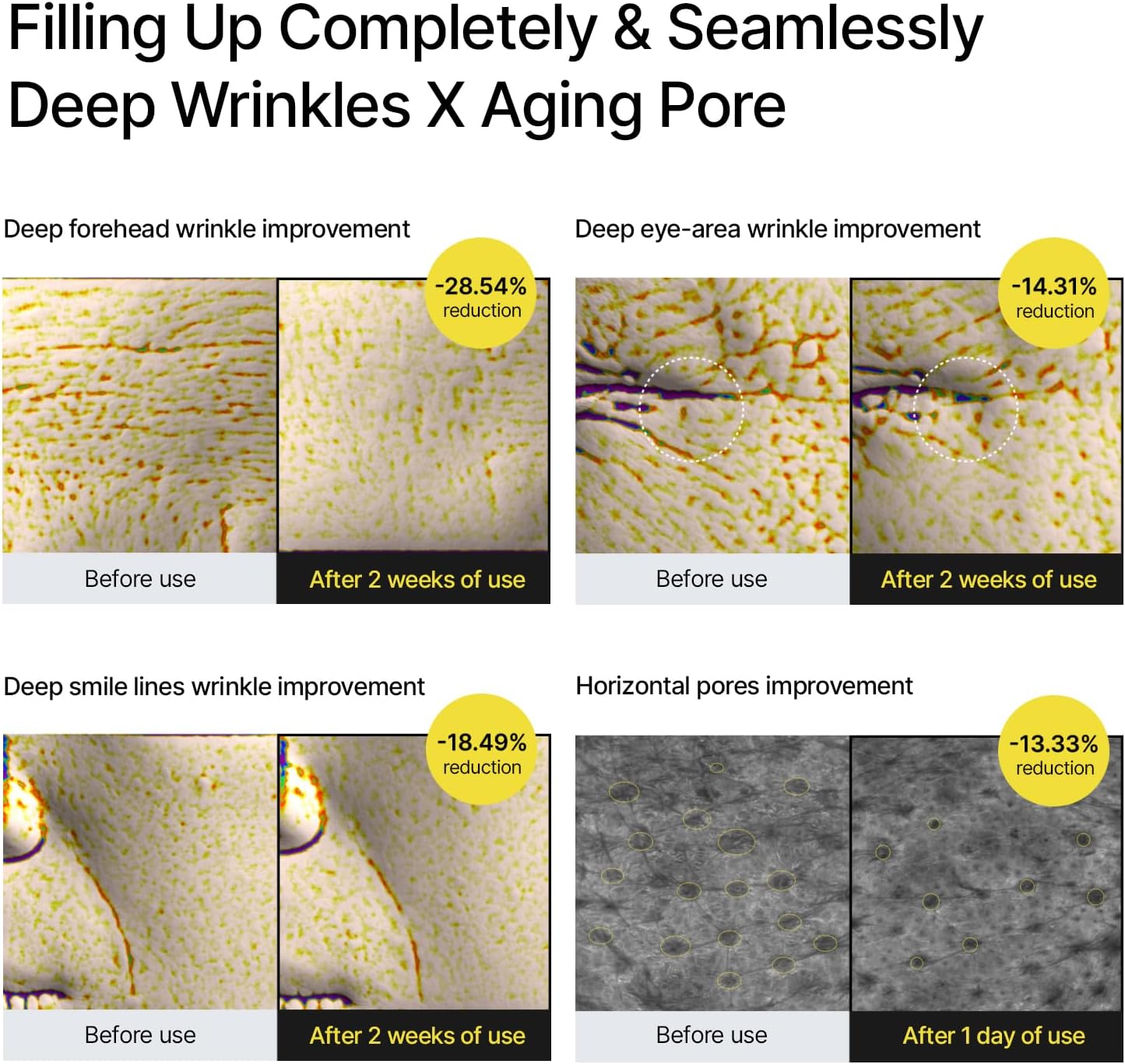
Strip out the colour talk and the core promise is firmer skin, softer lines and smaller-looking pores. Plenty of reviewers say they are seeing exactly that, and the timelines they give are refreshingly specific. Wasan Shallal had “very deep forehead wrinkles” and after two weeks of nightly use reported them looking fuller, smoother skin, and “completely no irritation”. Caron saw “pore reduction in days” and softened frown lines by the two-week mark. Hazel Caharian credited it with “tightening my sagging cheeks”.
A recurring note from the positive camp is how gentle it felt despite the strength. Lisa called it “gentle but highly effective” and recommended it specifically for people whose previous retinols left them dry or broken out. Faay rated it “a good beginner for retinal”. Eva Stef. used it for several weeks, saw imperfections flatten, and made the sharpest point about getting there: “you can train your skin to accept it. First 2-3 times a week and then more and more until you use it every day.”
Set your expectations on the realistic end, though. The fans who rave fastest tend to be talking about texture, brightness and pores, which shift sooner than deep wrinkles. Jamie lea Fawcett noted the listing's own line that visible results can take twelve weeks. So if you are buying this for established lines, think in months of consistent nightly use, not days.
The reactions you cannot ignore
Now the part a fair review has to sit with rather than skip. Of the recent reviews collected, more than a fifth landed at one star, and the most serious of those describe real skin reactions. Raj, in the single most-upvoted review, had “a severe reaction” after one use with “burning and noticeable peeling” and urged others to “do a patch test first”. Srisuda Jones said it “burnt my face after second use” and would not recommend it for sensitive skin. Fender came away with “breakouts like never before”.
It would be easy to wave these away as people misusing a strong active, and some of that is in play. Retinal at this strength is not a beginner-friendly, use-it-nightly-from-day-one product, and the listing itself says as much: new users should apply every other night for the first two weeks, use a small amount, and dial back if irritation appears. Actiq 69's warning to “use only once a week or twice” to avoid post-inflammatory marks is the voice of experience. But severe burning after a single application is not something a patch test schedule always prevents, and if your skin is reactive you should take these reviews at face value.
The other complaints in this cluster have nothing to do with the formula at all. A run of one-star reviews describe tubes arriving half empty, unsealed, or already opened, with words like “practically empty” and “seal was already open”. That reads as a fulfilment and packaging problem rather than a fault with the serum, but it is real money lost either way, so check your tube is sealed and full when it lands.
How to use it without joining the unhappy camp
Most of the avoidable disappointment here traces back to treating a strong retinal like a gentle everyday serum. So if you do buy it, a few ground rules stack the odds in your favour. Patch test first, ideally on your jaw or behind your ear, before it goes near your face. Start slow: every other night for the first fortnight, exactly as Celimax advises, and only build up once your skin is comfortable. Use a single drop on the areas you care about rather than spreading it across your whole face.
Two non-negotiables come straight from the brand. This is a night-only product, so it goes on after cleansing in the evening, never in the morning. And because retinal makes skin more sun-sensitive, sunscreen the next day is not optional. Several happy reviewers, Nutsa among them, flag the same thing: use SPF the day after. Keep a soothing moisturiser on hand to buffer if things sting, and remember the yellow tint rinses away in the morning with an ordinary cleanse.
Do that, and the £12 outlay starts to look smart for a high-strength retinal with a peptide bolt-on. Rush it, skip the SPF, or pile on three drops because more must be better, and you put yourself squarely in the camp writing one-star reviews about burning. The product is potent. Used with a bit of patience, that is exactly the point.
celimax The Vita A Retinal Shot Tightening Booster
A 0.1% retinal and Matrixyl booster for fine lines, texture and pores, in a 15 ml night-use tube. Potent, beginner-trainable, and £12.