
23,000 People Love Neutrogena Hydro Boost - So Why Does It Sting Some Faces?
We earn commission from qualifying Amazon purchases. It costs you nothing and does not affect what we recommend.
The UK's #1 face gel moisturiser has 23,000+ ratings and a cult following. But some reviewers report stinging and burning on application. We dug through the reviews to find out what's really going on.
- The Stinging Question: What's Actually Happening?
- What the 70% Five-Star Crowd Can't Stop Talking About
- Under the Lid: The Ingredients Doing the Heavy Lifting
- Who Loves It Most (and Who Should Think Twice)
- The Numbers Behind the Hype
- How to Get the Best Results
- Water Gel vs. Gel Cream vs. Night Cream: Which Hydro Boost Is Right for You?
- Our Verdict: 4 Out of 5
Some moisturisers quietly do their job. Neutrogena Hydro Boost Water Gel is not one of them. This product inspires strong opinions - over 23,400 ratings on Amazon UK, the #1 spot in Face Day Care Gels, and Amazon's Choice status. Over 10,000 people bought it last month alone.
But scroll past the five-star raves and you'll find something unexpected: reviewers who say this gel made their face sting, burn, or go red. For a product marketed at sensitive and acne-prone skin, that's a big deal.
We went through 100 recent verified reviews to understand both sides - the people who call this their holy grail moisturiser and the ones who couldn't get it off their face fast enough. The picture that emerged was more nuanced than either camp would have you believe.
The Stinging Question: What's Actually Happening?
Let's start with the elephant in the room. Around 11% of the reviews we analysed gave this product one star, and stinging or burning on application was the single most common complaint across negative reviews. Some described an immediate sensation on contact. Others noticed redness developing within minutes.
So what gives? A couple of things could be at play. First, hyaluronic acid works by drawing moisture into the skin - but if your skin barrier is already compromised (from over-exfoliation, harsh cleansers, or conditions like eczema), that moisture-pulling action can feel uncomfortable. It's not an allergic reaction in most cases; it's the ingredient doing what it does on skin that isn't ready for it.
Second - and this is worth flagging - multiple reviewers reported receiving products that appeared to have been opened, were half-full, or had broken seals. At least one reviewer was convinced they'd received a counterfeit. When you're buying through Amazon's marketplace, fulfilment issues like these are a known risk, and a product that's been tampered with or stored improperly could absolutely cause skin reactions that the genuine article wouldn't.
The takeaway? If this gel stings your face, it doesn't necessarily mean the formula is bad. It might mean your barrier needs repair first, or it might mean your particular jar wasn't what it should have been. Neither is a great answer, but it's honest.
 Featured
15% OFF*Limited offer
One Sunday. A week of food, sorted.
23 high-protein recipes, cycle-synced for women who lift.
23 recipes · 60-page PDF · Instant download
£19.20 £16.32
See it on Etsy*Seller's discount on Etsy - may end at any time.
What the 70% Five-Star Crowd Can't Stop Talking About
Now for the other side, because 70% five-star ratings across 100 reviews is a strong result. And the praise isn't vague - reviewers are specific about what they love.
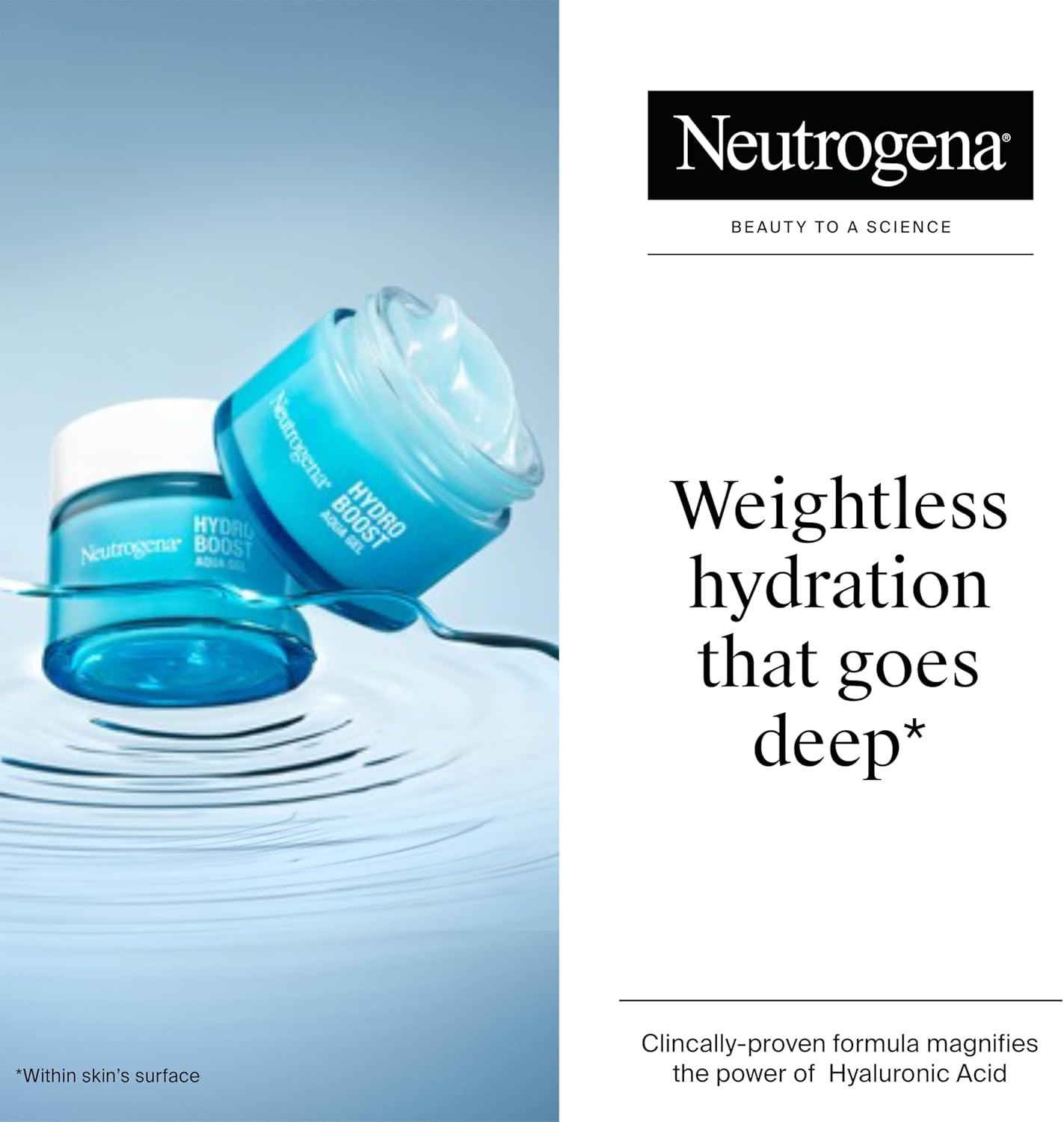
The texture dominates the conversation. Words like "weightless", "like water", and "sinks right in" come up constantly. If you've ever used a moisturiser that sits on top of your skin in a greasy layer, this is the opposite experience. One reviewer described it as "the closest thing to putting nothing on your face while still getting moisture". For oily and combination skin types especially, that's a revelation.
Hydration is the second big theme. People report waking up with plump, dewy skin after using this overnight. The 72-hour hydration claim is bold marketing, but reviewers consistently say their skin stays comfortable throughout the day without needing to reapply - which, for a gel at this price point, is impressive.
Then there's the acne-prone skin crowd, and they're the most passionate defenders. Multiple reviewers said this is the only moisturiser that doesn't trigger breakouts. The oil-free, non-comedogenic formula means it hydrates without clogging pores - something that heavier creams, even expensive ones, often fail at.
Under the Lid: The Ingredients Doing the Heavy Lifting
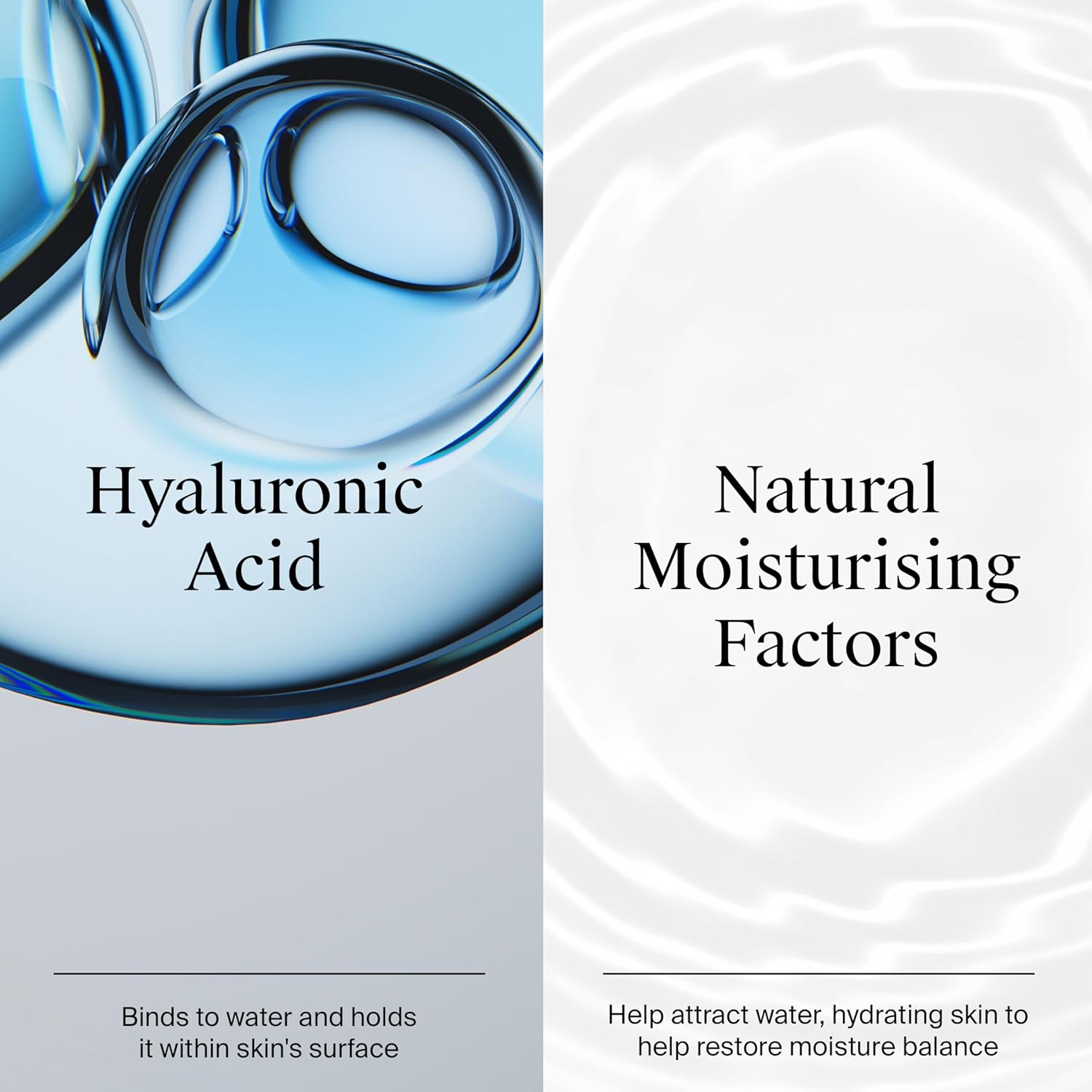
The hero ingredient is Sodium Hyaluronate - the salt form of hyaluronic acid with a smaller molecular size that penetrates skin more effectively than standard hyaluronic acid. Neutrogena says the current formula has 20% more of it compared to the previous version, and the clinical backing claims 6x more hydration versus untreated skin.
But the ingredient list is more interesting than just one star player. There's a full NMF (Natural Moisturising Factor) complex in here: amino acids like Alanine, Glycine, Serine, and Arginine alongside Urea, Betaine, PCA, and Trehalose. These are compounds your skin naturally produces to stay hydrated. Supplementing them topically is one of the more evidence-based approaches to moisturising - it's the same philosophy behind products from brands like The Ordinary and CeraVe, though the specific blend here is Neutrogena's own.
Glycerin sits high on the list as the workhorse humectant, pulling water into the upper skin layers. Dimethicone provides a light protective layer without the heaviness of oils. The emulsifier system uses olive-derived ingredients (Cetearyl Olivate, Sorbitan Olivate) rather than synthetic alternatives, which tends to be gentler.
One thing to note: despite being labelled "fragrance free", the full INCI list does include Parfum and CI 42090 (a blue dye). This is a common quirk in skincare labelling - "fragrance free" sometimes means no perceptible scent rather than zero fragrance compounds. For most people this won't matter, but if you react to fragrance ingredients specifically, it's worth knowing.
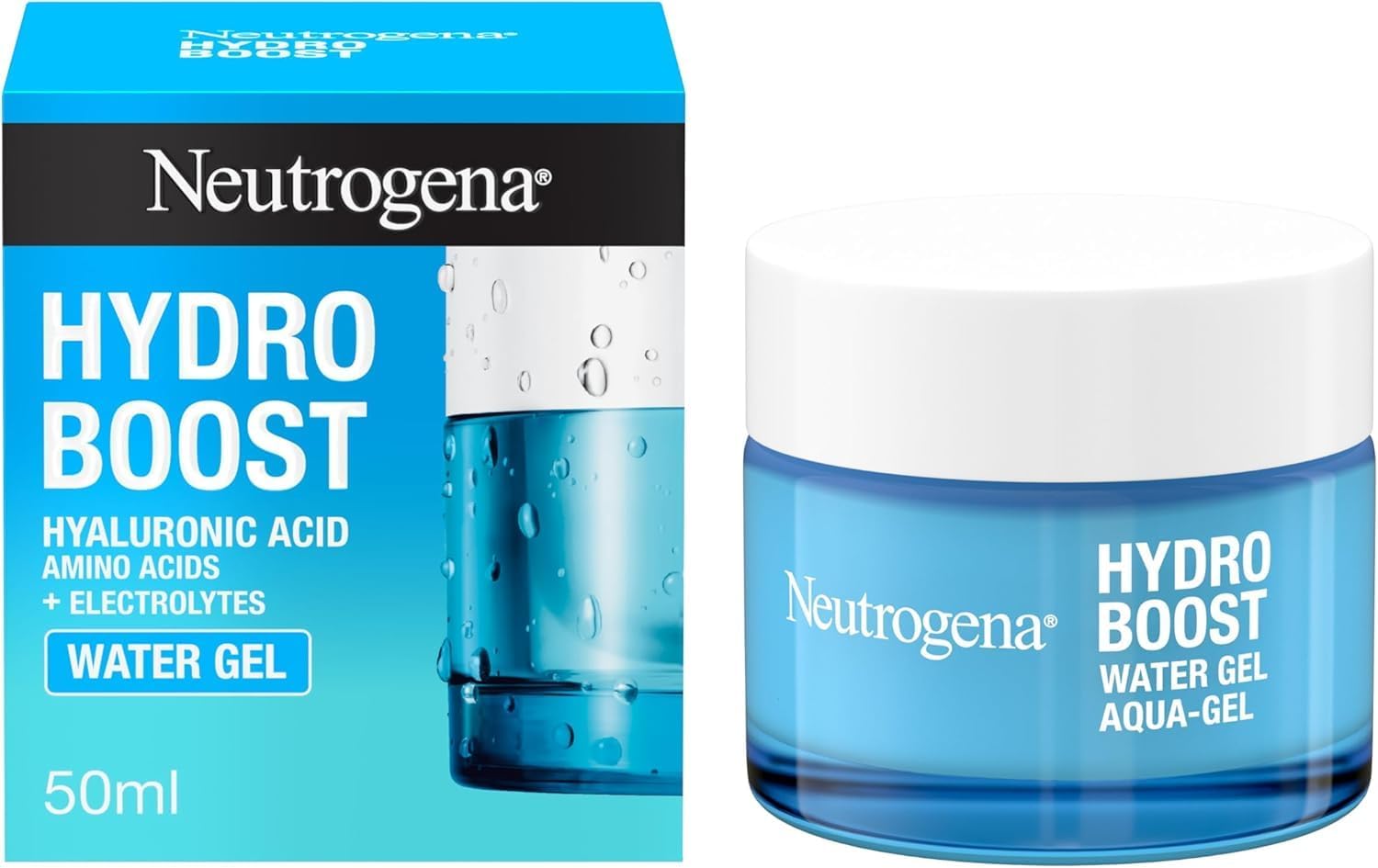
Neutrogena Hydro Boost Water Gel
Lightweight, oil-free gel moisturiser with hyaluronic acid. Clinically proven 72-hour hydration at under £8. The UK's #1 face gel for a reason.
Who Loves It Most (and Who Should Think Twice)
Based on what reviewers actually report, this product has clear sweet spots - and a few situations where it's probably not the right pick.
Oily and combination skin: This is where the Hydro Boost really shines. The water-gel texture gives you hydration without any of the heaviness or shine that cream moisturisers leave behind. Multiple reviewers with oily skin said they'd tried dozens of products before landing on this one. If you've been stuck in the cycle of skipping moisturiser because everything feels greasy, this could break that pattern.
Acne-prone skin: The oil-free, non-comedogenic formula makes it safe for breakout-prone skin, and the reviews back that up. Several people specifically mentioned they stopped getting spots after switching to this from thicker creams.
Under makeup: A surprising number of reviewers mentioned how well this works as a base. No pilling, no flaking, no interference with foundation. It sits flat and lets makeup go on smoothly, which isn't always the case with gel moisturisers.
Very dry skin: This is where opinions split. Some dry-skinned reviewers love it. Others found it wasn't rich enough on its own, especially in winter. If your skin is severely dry, you might need to layer this under a heavier cream or use the Gel Cream version from the same range, which is slightly richer.
Damaged or compromised barriers: If your skin is currently irritated, peeling, or recovering from strong actives (retinol, AHAs, BHAs), approach with caution. The stinging reports cluster around people whose barriers were already under stress. Fix the barrier first, then introduce hyaluronic acid products.
The Numbers Behind the Hype
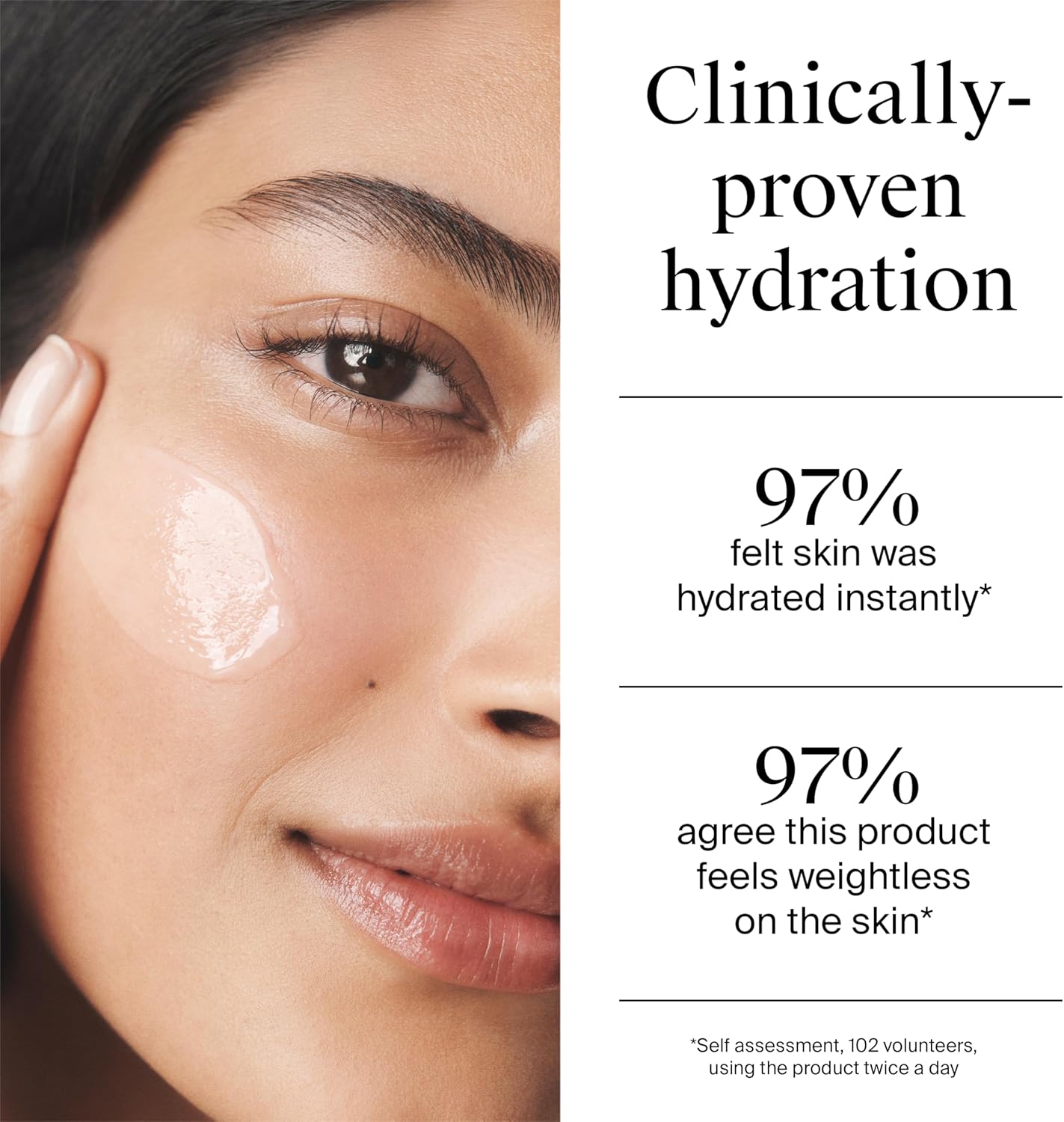
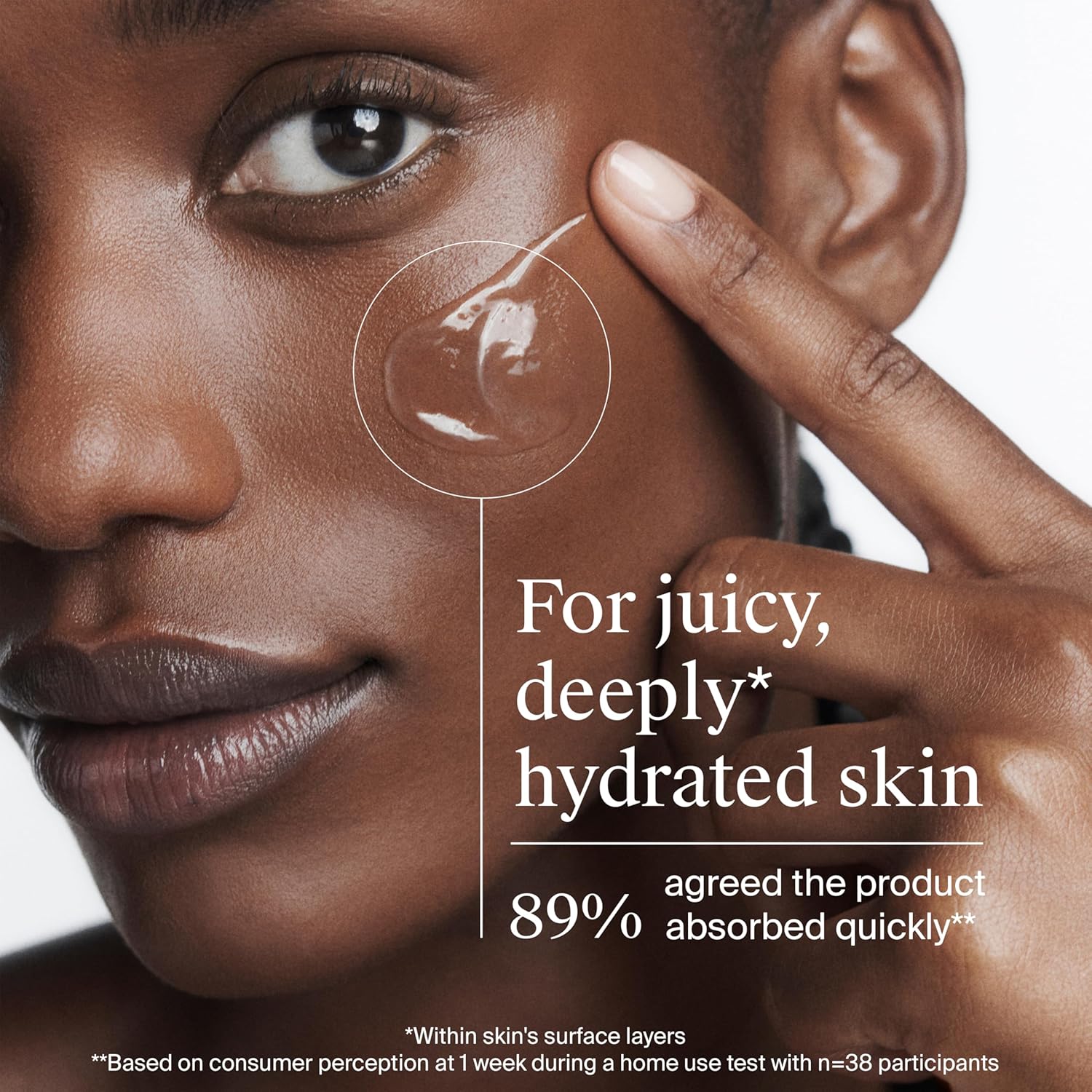
Neutrogena backs this product with clinical data: 97% of users felt their skin was hydrated instantly, and 89% agreed it absorbed quickly. Those are self-reported figures from controlled studies, so take them with a pinch of salt - but the Amazon reviews largely confirm the same experience in real-world conditions.
Our sample of 100 recent reviews averaged 4.27 out of 5, with 99 out of 100 being verified purchases. That's a high verification rate, which adds credibility to both the positive and negative feedback. The overall Amazon rating of 4.5 across 23,400+ reviews is remarkably stable for a product at this scale.
The value proposition is strong too. At £7.31 for a one-time purchase (down from an RRP of £13.49), you're paying about 46% less than retail. Subscribe & Save drops it further to £6.58. Multiple reviewers report that 50ml lasts two to three months with daily use, putting the daily cost at somewhere around 8p. For a product with clinical backing and this ingredient list, that's competitive with anything at this price level.
How to Get the Best Results
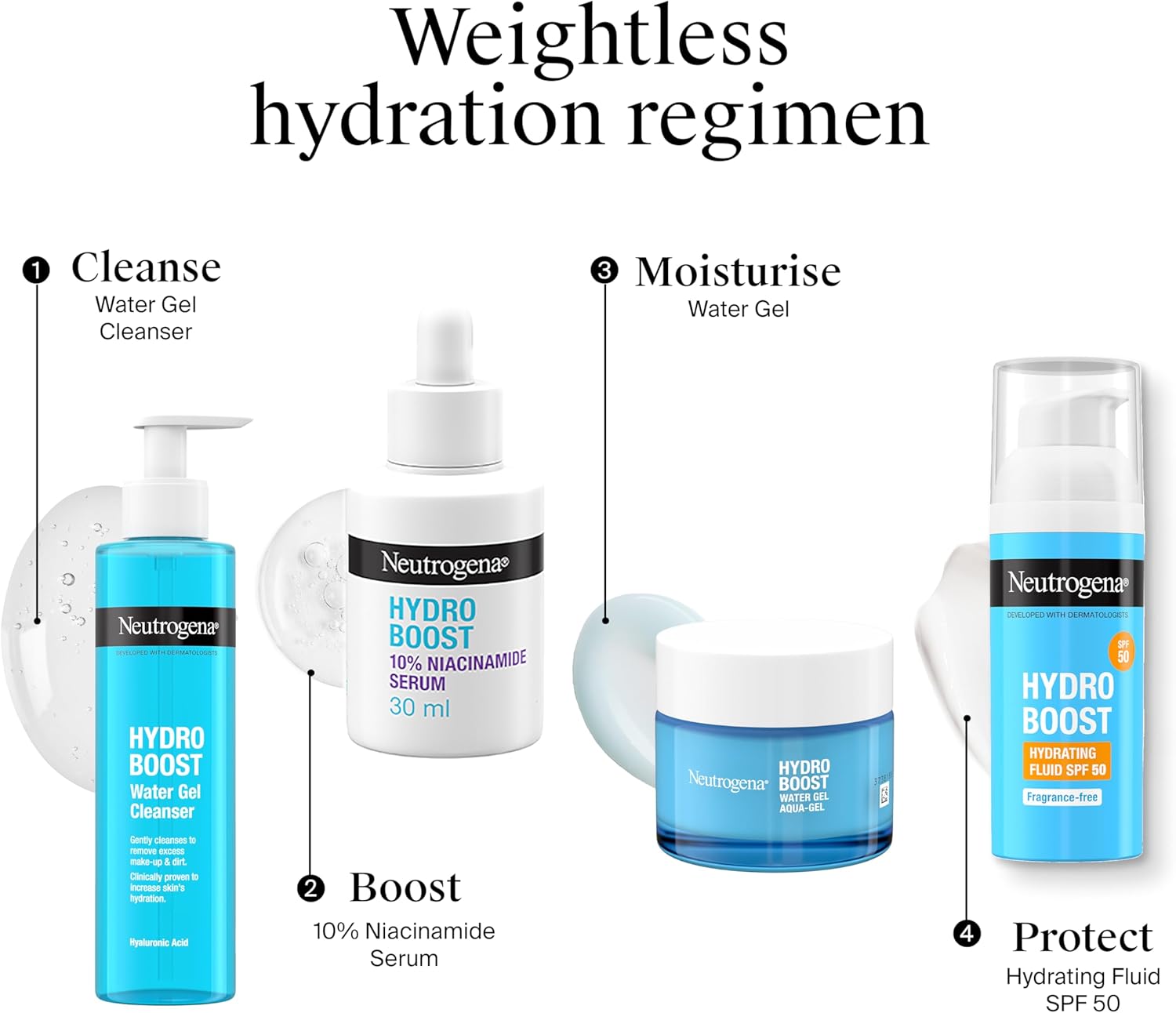
Reviewers who get the most out of this product tend to follow a similar pattern, and it aligns with Neutrogena's own recommendations.
Apply to damp skin. Hyaluronic acid pulls in moisture from its surroundings. If you apply it to bone-dry skin in a dry room, it can actually draw moisture out of your deeper skin layers instead of in. Mist your face with water or apply right after cleansing while your skin is still damp. This one tip alone could be the difference between "amazing hydration" and "it dried me out" - which might explain some of those contradictory reviews.
Use a small amount. The gel is concentrated. A pea-sized amount covers the whole face. Overloading it can leave a tacky film that takes longer to absorb.
Layer it properly. In a full routine, this slots in after serums and before sunscreen. Several reviewers use it after vitamin C or niacinamide serums with good results. If you're using it at night, it works well as your final step or under a richer night cream for extra moisture.
Give it a week. A few reviewers noted that initial slight tackiness went away after a few days of use, as their skin adjusted. Don't judge it on a single application.
Water Gel vs. Gel Cream vs. Night Cream: Which Hydro Boost Is Right for You?
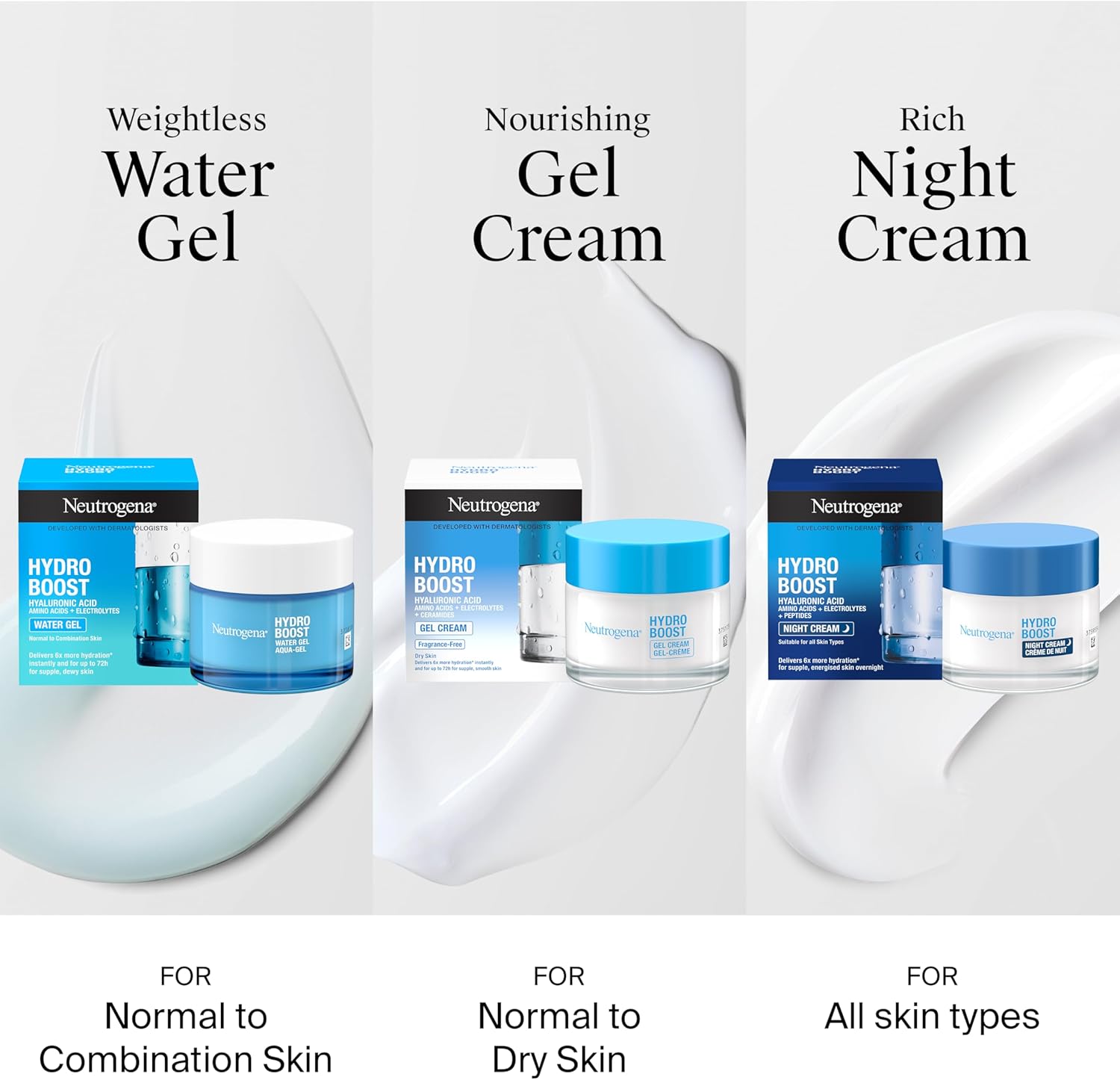
Neutrogena sells several products under the Hydro Boost name, and it's easy to grab the wrong one. Quick breakdown:
The Water Gel (this product) is the lightest option. Best for oily, combination, and normal skin. Works brilliantly in warmer months or humid climates. This is the one with the massive review count and cult following.
The Gel Cream is slightly richer and better suited for normal-to-dry skin. Same hyaluronic acid base, but with a more emollient texture. If you tried the Water Gel and felt it wasn't quite enough, the Gel Cream is the next step up rather than switching brands entirely.
The Night Cream (sometimes called Sleeping Cream) is the thickest of the three. Designed to be a more intensive overnight treatment. Good for dry skin or for anyone who wants to pair the Water Gel during the day with something heavier at night.
Several reviewers said they rotate between two versions depending on the season - Water Gel in summer, Gel Cream in winter. That's a smart approach if your skin's needs change throughout the year.
Our Verdict: 4 Out of 5
The Neutrogena Hydro Boost Water Gel is one of those rare drugstore products that actually delivers on its marketing promises for the majority of users. The texture is outstanding, the hydration is real, the price is right, and the ingredient list is solid. 70% five-star reviews from verified purchasers isn't a fluke - this product works well for a lot of people.
We're docking a point for two reasons. The stinging issue, while likely linked to barrier health or fulfilment problems rather than the formula itself, is too common to ignore - especially for a product that targets sensitive skin. And the packaging and fulfilment complaints around damaged or suspect products on Amazon are concerning. If you're going to buy this, consider purchasing directly from a pharmacy or Boots where you can verify the seal before purchase.
But if your skin barrier is healthy and you're looking for a lightweight, effective, affordable daily moisturiser? This is one of the best options on the UK market right now. Twenty-three thousand reviewers didn't get it wrong.
You can pick up the Neutrogena Hydro Boost Water Gel on Amazon for £7.31, or £6.58 with Subscribe & Save.
Neutrogena Hydro Boost Water Gel
Lightweight, oil-free gel moisturiser with hyaluronic acid. Clinically proven 72-hour hydration at under £8. The UK's #1 face gel for a reason.