
How to Reapply Sunscreen Over Makeup Without Ruining Your Base
Topping up SPF over a finished face feels like a choice between sunburn and streaky foundation. It does not have to be either. Using thousands of verified UK reviews, we break down the blot, mist and rebuild routine, plus four products that make midday sunscreen top-ups painless.
We earn commission from qualifying Amazon purchases. It costs you nothing and does not affect what we recommend.
Quick Answer
To reapply sunscreen over makeup, blot excess oil with a tissue first, then mist a fine SPF 50 spray over your face in several light passes and let it settle for a minute. Alternatively, press a cream sunscreen on with a clean makeup sponge. Refresh powder and concealer afterwards rather than redoing your whole base.
Sunscreen only works if it is still on your face, and by mid afternoon a good chunk of your morning layer has transferred onto coffee cups, phone screens and the backs of your hands. Knowing you should top up is easy. Doing it over a full face of foundation without ending up patchy is the part nobody explains.
We have read thousands of verified UK reviews of facial sunscreens, and the same pattern keeps surfacing: people skip the top-up because they do not want to wreck their makeup. This guide fixes that with a four-step routine, plus the specific products reviewers rely on to make it painless.
How Often Should You Reapply Sunscreen on Your Face?
The rule printed on almost every bottle is simple: reapply every two hours in direct sun, and immediately after swimming, heavy sweating or towel-drying. That is the standard to work to on holiday, at the beach, or through a long afternoon in a beer garden.
A normal UK working day asks less of you. If you apply a generous SPF 50 layer in the morning and sit indoors away from a sunny window, one top-up before your lunchtime walk or the evening commute is a sensible target. The mistake is trusting a 7.30am application to cover a 6pm pub garden. It will not.
Frequency is rarely the real problem, though. Most women know the two-hour rule. They skip it because at 1pm there is a full face of foundation in the way, which is exactly what the next four steps solve.
 Featured
15% OFF*Limited offer
One Sunday. A week of food, sorted.
23 high-protein recipes, cycle-synced for women who lift.
23 recipes · 60-page PDF · Instant download
£19.20 £16.32
See it on Etsy*Seller's discount on Etsy - may end at any time.
Step 1: Start With a Base That Can Take a Top-Up
A clean lunchtime reapplication starts with the right layers at breakfast. Apply sunscreen as the final skincare step, use more than feels natural (about two finger-lengths covers face and neck), and give it two or three minutes to set before any makeup touches it. Rushing this stage is the usual cause of pilling later.
Texture matters just as much. Thick, greasy SPF formulas mix with foundation and slide once the day warms up, while a light, fast-setting layer grips and gives your midday top-up a stable surface to land on.
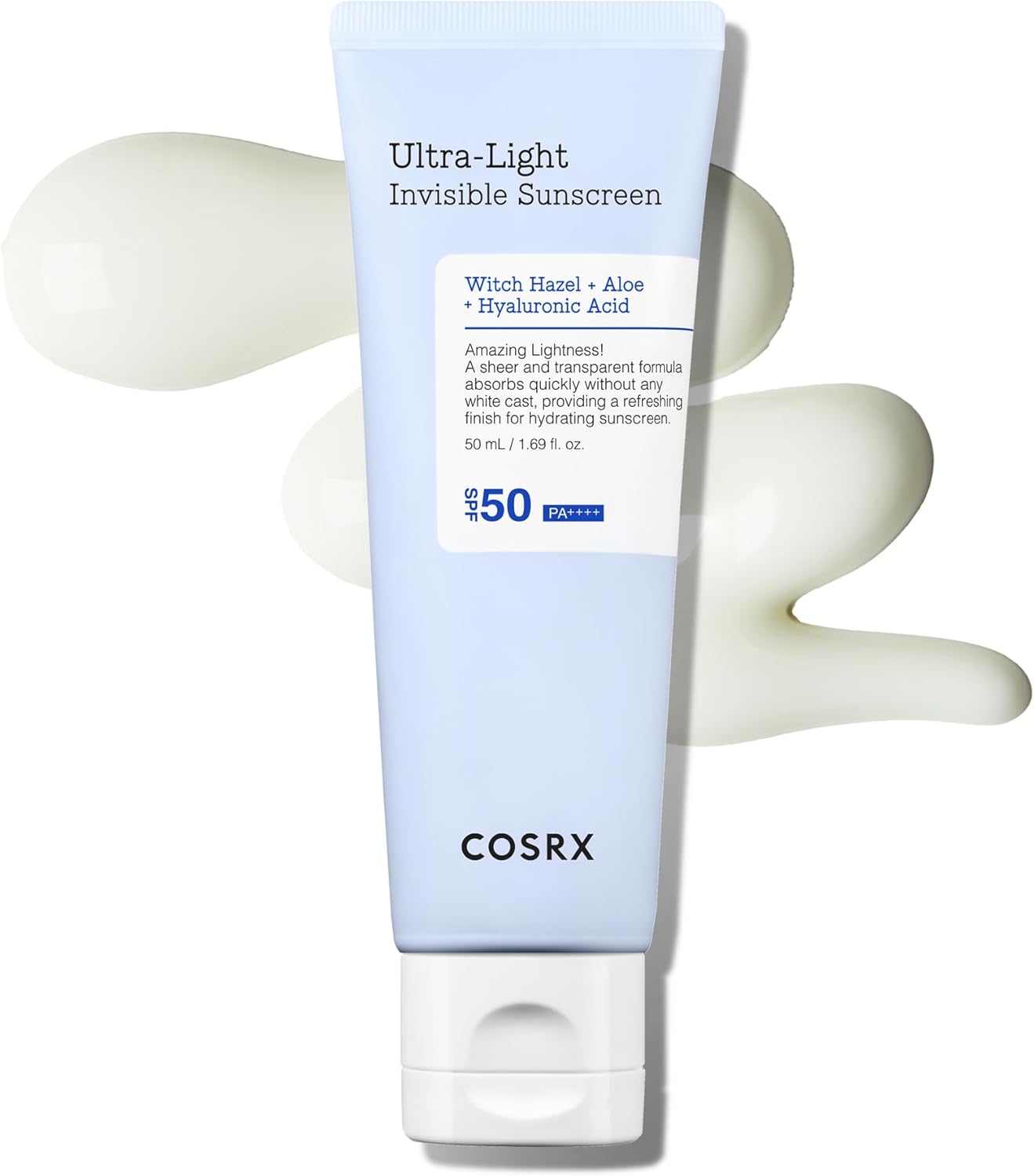
For wearing under foundation, the COSRX Ultra-Light Invisible Sunscreen SPF 50 is the texture to copy: watery, fragrance-free and invisible once it settles, with no white cast on any skin tone. Reviewers with oily skin call it the first SPF that does not leave them shiny by noon, and one layers it under BB cream and matte powder every day, saying it is the only sunscreen that never cracks or cakes her base. It does have one quirk: over thick creams, or with lots of face-touching, it can pill, so keep the skincare underneath light and let each layer settle. At £10.99 for 50ml it earns its spot.
Is the SPF in your moisturiser or foundation enough?
Foundation SPF on its own is not enough, because you never wear enough of it. SPF ratings assume a thick, even layer across the whole face, and a normal amount of foundation delivers a fraction of that. Treat any SPF number on makeup as a bonus, not your actual protection.
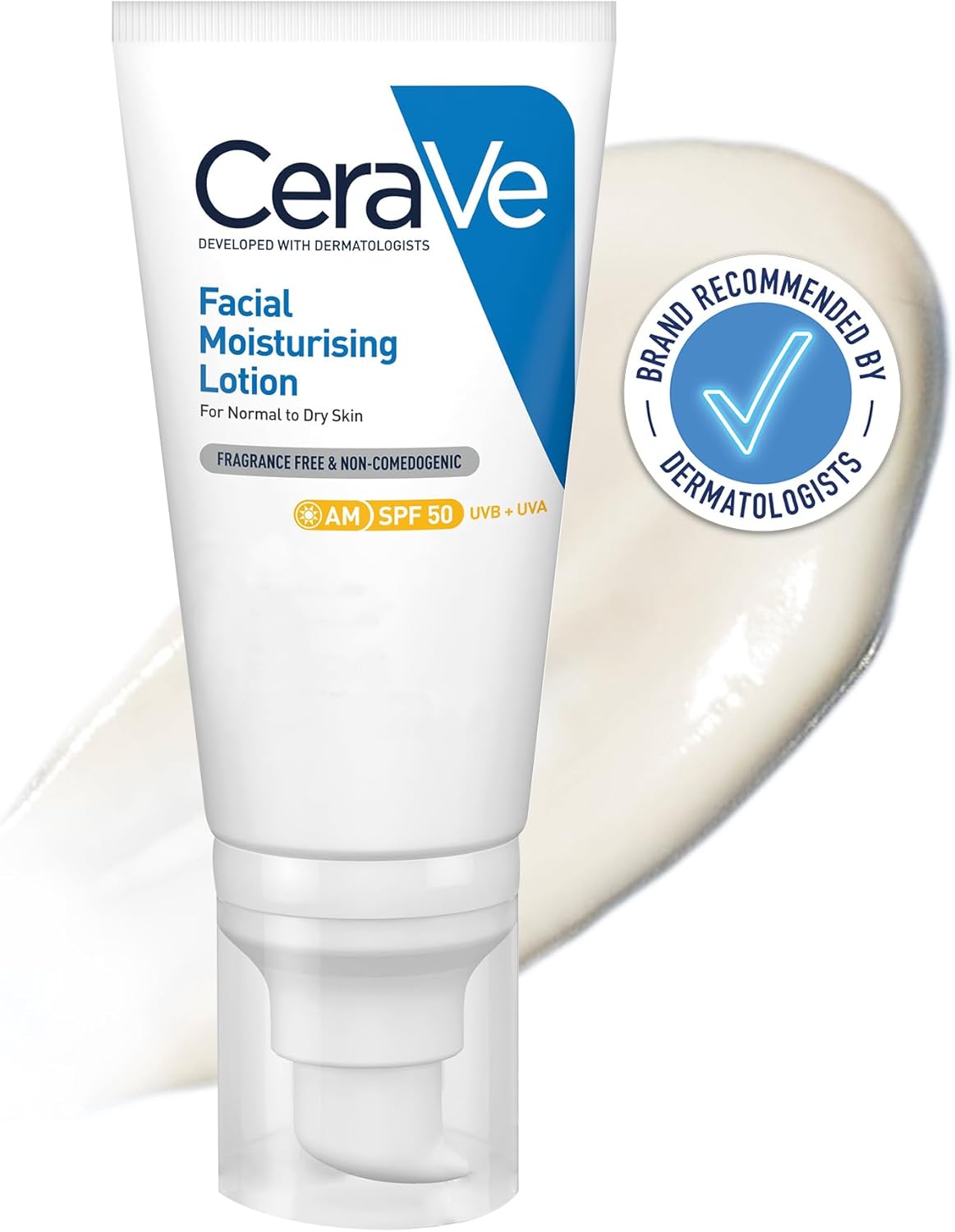
A dedicated SPF 50 moisturiser applied generously is a different story, and it counts as a proper morning layer. The CeraVe AM Facial Moisturising Lotion SPF 50 is the one our review data backs most confidently: SPF 50 plus ceramides and niacinamide, fast to absorb, and described over and over as working nicely under makeup. One fair-skinned reviewer wore it through a holiday with daily UV index 9, topping up three times a day, and reported no burning and no pilling. The 52ml tube slips into a work bag too. Two honest cautions: it dries with a slight sheen rather than a matte finish, and several reviewers with deeper skin tones found it left a pale cast. Around £11.76.
Step 2: Blot Before You Top Up
Never apply fresh SPF straight onto an oily face. By midday there is sebum and sweat sitting on top of your makeup, and anything you spray or press onto that film will bead, streak or slide. Blotting gives the new layer something to grip.
Press a blotting paper or a plain single-ply tissue onto your T-zone, cheeks and chin, then lift it straight off. No dragging, no rubbing: pressing lifts the oil and leaves foundation exactly where it was. The whole job takes about ten seconds.
Skip powder at this stage. Powder belongs after your SPF top-up, not before it, because misting sunscreen onto fresh powder turns it into a paste. The order is always blot, top up, then re-powder.
Step 3: Three Ways to Top Up SPF Without Rubbing It In
So can you put SPF over foundation? Yes, as long as you stop rubbing it in the way you would a morning cream. Three methods work, and the best way to top up SPF during the day is whichever one you will actually repeat. For most people, that is a mist.
Do SPF mists actually work over makeup?
They do, and a fine SPF mist over makeup is the only method fast enough to survive real life: blot, spray, settle, done inside two minutes. The catch is dose. Mists fail when you give yourself one polite spritz, so spray in light passes across forehead, cheeks, nose and chin until your skin looks evenly dewy, then leave it alone while it dries.
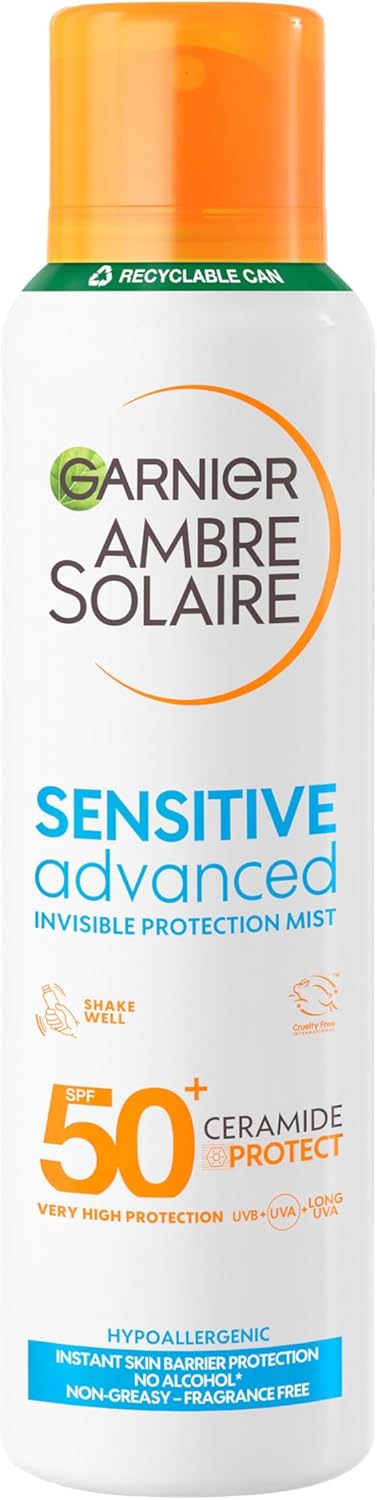
The Garnier Ambre Solaire SPF 50+ Sensitive Dry Mist is the one to start with at £7.99. It lays down a fine, dry layer rather than a wet sheet, with no white marks, and it is fragrance-free with no ethyl alcohol. One reviewer used it twice a day through a 40 degree Egypt holiday, applying it before makeup in the morning and again before setting spray. Another keeps a can permanently in her bag because it behaves over a finished face. From our hundred-review read, three things to know: spray outdoors or into your palm first because it films nearby surfaces, the mixing ball rattles loudly by a quiet pool, and frequent head-to-toe use can empty the 150ml can in under a week, so keep one can just for your face and handbag.
Technique for any mist: hold it 10 to 15cm away, close your eyes and mouth, work in a grid so no patch is missed, and give it 60 to 90 seconds to dry before you touch your face. Do not rub it in. Rubbing is what ruins the base, not the sunscreen.
The sponge press: slower but most even
For cream sunscreens, swap fingers for a clean, dry makeup sponge. Dot the cream onto the sponge, then press it onto the face one section at a time with a slight roll, never a wipe. Pressing pushes the SPF down through the makeup instead of dragging your foundation sideways.
This takes three or four minutes and a mirror, so it suits a desk drawer better than a festival. The pay-off is the most even coverage of the three methods, and it works with the SPF 50 lotion you already own.
SPF powders: a backup, not a plan
Brush-on SPF powders are tempting because they mattify while they top up. The problem is dose again: the amount of powder that actually reaches your skin per application is small. Use one as a finishing touch or an emergency option, but if you only buy one top-up product, make it a mist.
Step 4: Rebuild Your Base Without Starting Over
Once the mist has settled, check a mirror before reaching for more makeup. Usually you need very little: press powder back onto the T-zone, dab concealer where it has worn, and stop there. Stacking a second full layer of foundation mid afternoon is what creates the cakey finish people blame on the sunscreen.
There is also a smarter long-term fix: on hot days, stop wearing a base that cannot take a top-up. Swap foundation for a tinted SPF fluid and reapplication stops being a problem, because the top-up is the makeup.
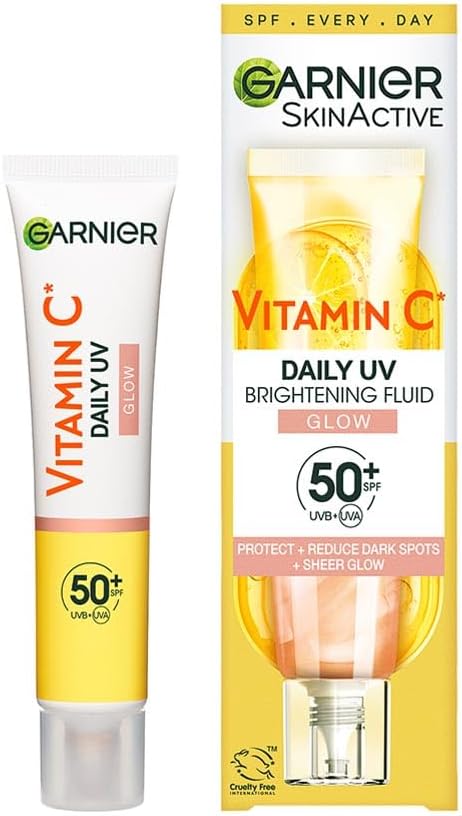
The Garnier Vitamin C Daily UV Brightening Fluid SPF50+ has built a following doing exactly this. Its sheer peach tint blurs minor marks and leaves a glow finish, and a striking number of its 5,800-plus reviewers say it has replaced their foundation entirely, including several with mature skin who find traditional bases heavy. Set it with powder in the morning, and a mid afternoon top-up is simply a little more of the same fluid smoothed on. Check the shade against your skin first, as very fair, cool-toned reviewers found the tint slightly dark and orange-leaning, and a few noticed a light cosmetic scent. Around £6.98 for 40ml, so testing it costs less than a meal deal week.
One honest limit: no technique makes heavy, full-coverage glam survive repeated SPF top-ups perfectly. On a beach day, choose lighter makeup or embrace the tinted-SPF route, and save the full base for evenings.
Frequently Asked Questions
Can you put sunscreen on top of foundation?
Yes. Use a fine SPF mist in several light passes, or press a cream sunscreen on with a clean makeup sponge. The method to avoid is rubbing sunscreen in with your fingers as you would in the morning, which smears foundation and leaves streaks. Blot excess oil first and let the new layer settle before touching your face.
How often should you reapply sunscreen on your face?
Every two hours in direct sun, and straight after swimming, heavy sweating or towel-drying. On a mostly indoor UK day, a generous morning application plus a top-up before lunchtime sun or the evening commute is a realistic routine. Increase the frequency on holidays, beach days and long outdoor afternoons.
Is the SPF in moisturiser or foundation enough?
Foundation SPF is not enough on its own, because you wear far less foundation than the amount used in SPF testing. A dedicated SPF 50 moisturiser, such as CeraVe's AM lotion, does work as your morning layer provided you apply it generously to face and neck. Whatever you start with, sunny days still call for a top-up.
Do SPF mists actually work over makeup?
Yes, when you use enough. A mist works over makeup because the fine droplets settle without any rubbing, but one quick spritz applies almost nothing. Spray in light passes until the whole face looks evenly dewy, let it dry for a minute or two, and repeat on the same schedule as any other sunscreen.
Should you blot your skin before reapplying SPF?
Yes, always. Blotting lifts the oil and sweat that would otherwise stop fresh sunscreen from settling evenly, which is the main reason midday top-ups go streaky. Press a blotting paper or plain tissue onto the skin and lift it straight off without dragging. Powder goes on after your SPF, never before.
Will reapplying sunscreen ruin my makeup?
Not if you follow the right order: blot, apply a fine mist or sponge-press a cream, wait a minute or two, then refresh powder and concealer. Most damage happens when sunscreen is rubbed over foundation or sprayed onto an oily, unblotted face. With a dry-touch mist the whole top-up takes under five minutes.