
How to Get Rid of Strawberry Legs: The Simple Routine That Actually Works
Strawberry legs are the dark dots that show up across your shins after shaving. The fix is a four-step routine: a warm soak, glycolic acid exfoliation, smarter shaving and damp-skin moisturising. Every step here is checked against thousands of verified UK reviews.
We earn commission from qualifying Amazon purchases. It costs you nothing and does not affect what we recommend.
Quick Answer
Strawberry legs fade with a consistent four-step routine: soften skin in a warm bath, exfoliate two to three times a week with a glycolic acid product, shave with a sharp blade and proper lubrication, then moisturise while skin is still damp. Most people see smoother, clearer legs within two to four weeks.
Those dark dots scattered across your shins have a nickname, and the fix is simpler than the internet makes it sound. If you are searching for how to get rid of strawberry legs, what works is a routine rather than a single miracle product: soften, exfoliate, shave properly, moisturise. We have checked every step below against thousands of verified UK reviews, including the mistakes that leave people with stinging legs.
What Are Strawberry Legs?
Strawberry legs is the nickname for shins dotted with small dark spots, like the seeds on a strawberry. Each dot is a pore or hair follicle that looks darker than the skin around it.
It is not one single condition. The same speckled look can come from clogged pores, ingrown hairs, razor irritation or plain dry skin, and most people have a mix of all four.
What causes strawberry legs?
Each visible dot is an open pore or follicle holding a small plug of oil, dead skin cells and often a trapped or regrowing hair. When that plug meets the air it oxidises and darkens, which is what makes the dots stand out.
Blunt razors, dry shaving, skipped moisturiser and a build-up of dead skin all feed the problem. The darker your hair and the lighter your skin, the stronger the contrast, which is why two people with identical habits can have completely different legs.
Does shaving cause strawberry legs?
Shaving does not cause strawberry legs on its own, but careless shaving is the most common trigger. A blunt blade tugs at hairs, leaves each cut tip sitting visibly inside its follicle and irritates the pore so it sits more open.
The answer is not to stop shaving. It is to prep the skin first and shave properly, which is exactly what the routine below covers.
One caveat before we start: strawberry legs is a cosmetic concern. If the bumps are painful, hot or inflamed rather than just dotted, see a GP instead of reaching for acids.
 Featured
15% OFF*Limited offer
One Sunday. A week of food, sorted.
23 high-protein recipes, cycle-synced for women who lift.
23 recipes · 60-page PDF · Instant download
£19.20 £16.32
See it on Etsy*Seller's discount on Etsy - may end at any time.
The Four-Step Routine, and Nothing in It Costs Over £15
This is a strawberry legs treatment you can run at home in the UK with high-street products, two to three times a week, in your normal bath or shower. None of the four products involved costs more than £15.
Step 1: Soften everything in a warm soak
Start with 15 to 20 minutes in a warm bath, around 37 to 39°C. The heat softens the keratin plugs sitting in your pores and loosens dead skin, so the exfoliation step works on softened material instead of fighting it.
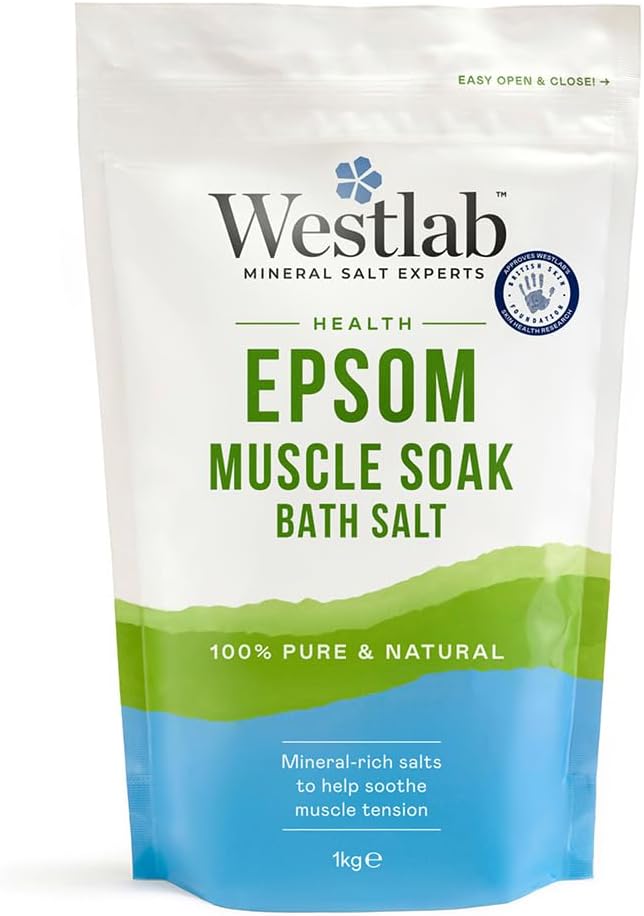
A couple of handfuls of Epsom salt turn an ordinary bath into a gentle pre-exfoliation treatment. Westlab Reviving Epsom Salt is the one we recommend: £3.48 for a 1kg resealable pouch, and completely unscented, so nothing stings recently shaved or irritated skin. Across 10,899 Amazon ratings (4.7 stars), buyers consistently mention how quickly it dissolves and how much softer skin feels after a 20-minute soak.
No bath? A warm shower of five to ten minutes does the softening job. The soak is a bonus, not a requirement.
Step 2: Exfoliate with glycolic acid
This step does the heavy lifting. A body scrub smooths the surface, but it cannot reach inside the pore. Reviewers and dermatologists keep landing on glycolic acid for strawberry legs because it dissolves the glue holding dead skin in the follicle, while salicylic acid clears the oil sitting underneath.
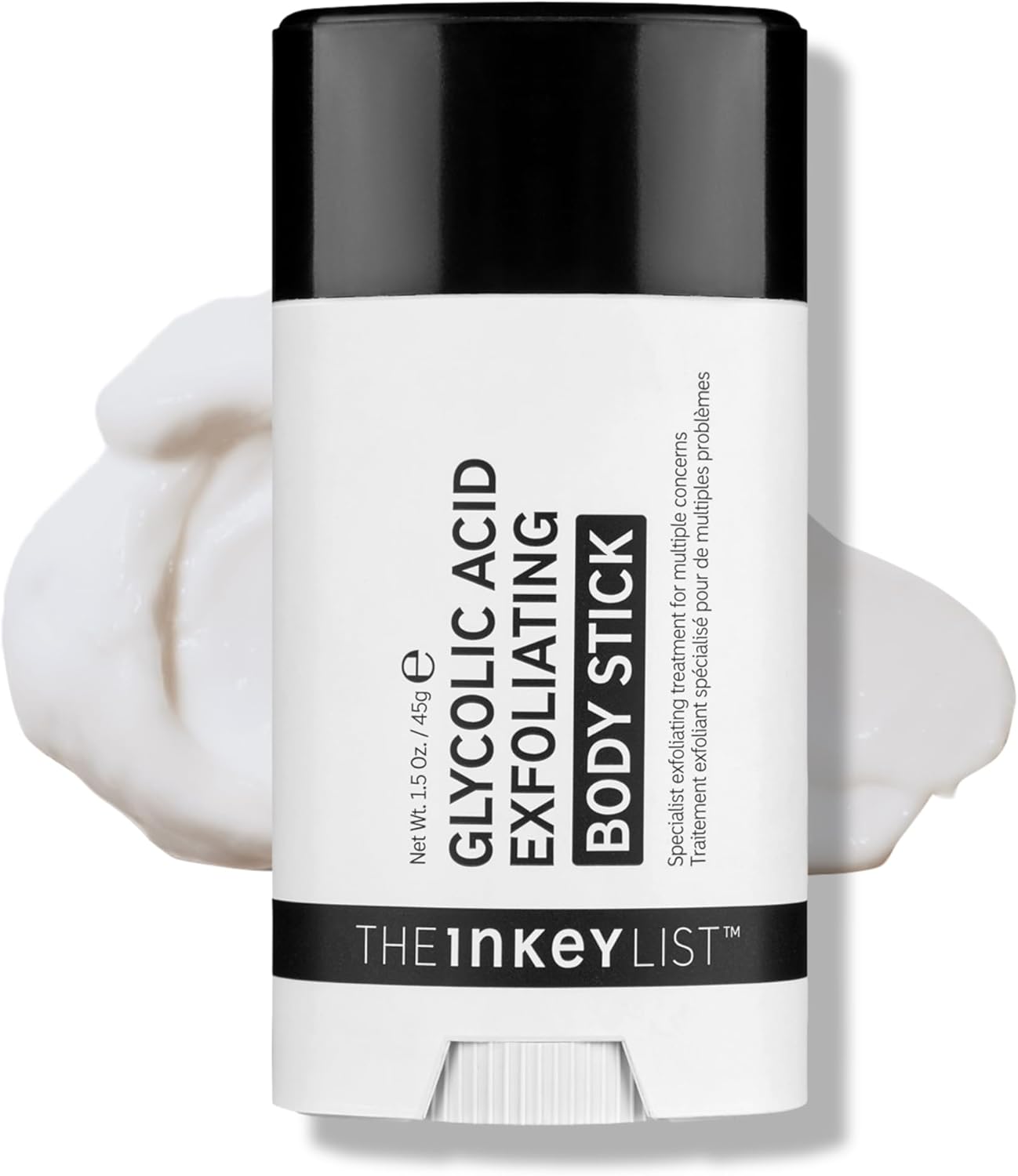
The INKEY List Glycolic Acid Exfoliating Body Stick (£14.46) is the easiest format we have covered for legs: a balm stick with 7% glycolic acid, salicylic acid and shea butter that glides straight onto clean, dry skin with no rinsing. One reviewer with stubborn strawberry legs reports "a huge difference" with regular use, another watched their KP bumps smooth out in three days, and several describe it fading the dark marks left behind by ingrown hairs.
Three warnings straight from the review data. Never apply it right after shaving: multiple buyers describe burning and itching bad enough to wash it off immediately. Start at twice a week, because daily use stings sensitive skin and the worst reactions in reviews come from overuse. And once the balm wears low, twist it up carefully, as the exposed plastic rim can scratch.
Step 3: Shave smarter, not harder
Shave at the end of your shower, never the start, so the hair is soft and the follicle relaxed. Use a proper shaving gel or oil rather than a quick swipe of soap, which strips the skin and drags the blade.
Replace your blade after five to eight shaves. A sharp razor cuts cleanly in one pass; a blunt one needs repeat passes that scrape the pore open. Keep the pressure light, rinse the blade after every stroke, and if you are prone to irritation, work with the grain of the hair rather than against it.
Leave at least 24 hours between shaving and your glycolic acid sessions. Run them on alternate days and your legs get the benefit of both without the sting.
Step 4: Moisturise while skin is still damp
Moisturiser applied within three minutes of stepping out of the shower traps water in the skin instead of chasing dryness later. On shave days, a light oil works well because it calms the follicle without sitting heavily on it.
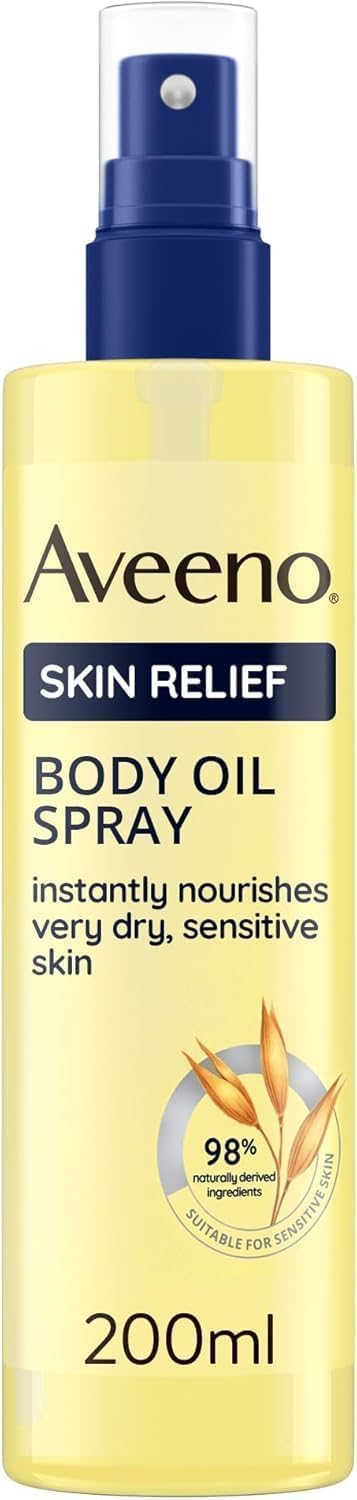
Aveeno Skin Relief Body Oil Spray (around £7) is built for exactly this. It is an oat and jojoba oil spray that sinks in without a greasy film, and one reviewer puts it plainly: she used it after shaving and her legs "have never felt smoother". The scent comes up again and again in reviews as a creamy vanilla-oat, subtle rather than perfumed.
One honest gripe from the reviews: the "spray" is closer to a dribble than a fine mist, so plan to massage it in rather than misting and walking away.
What to Expect: A Realistic Timeline
How long does it take to get rid of strawberry legs?
Two to four weeks of consistent routine is the honest answer for a visible change. The review data on glycolic acid products shows the full spread: a lucky minority report smoother skin within three days, most see the dots fade across weeks two to four, and a frustrated few notice nothing at three weeks and need a couple of months.
Week one usually brings a texture change: legs feel smoother before they look different. The dots then fade gradually from week two onwards as the plugs clear and stop re-forming.
Two things to keep straight. First, consistency beats intensity: twice a week for a month outperforms five sessions in week one followed by nothing. Second, pores do not vanish: the routine keeps them clear and tight, but if you stop completely, the dots rebuild over a month or two.
How to Prevent Strawberry Legs After Shaving
Once your legs are clear, prevention is far less work than the fix. Four habits keep the dots from coming back:
- Never dry shave, even for a quick touch-up. It is the fastest route back to irritated, open pores.
- Store your razor somewhere dry and rinse it properly. A blade left wet at the bottom of the shower dulls fast and drags on the next shave.
- Exfoliate the day before you shave rather than the same day. Clear pores let the blade cut cleanly in one pass.
- Moisturise every day, not just on shave days.
Does moisturising help strawberry legs?
Yes, more than most people expect. Dry skin flakes, and those flakes are exactly what clogs the pores back up. Daily moisturising stops the plug rebuilding, which is the difference between a one-off fix and a permanent change.
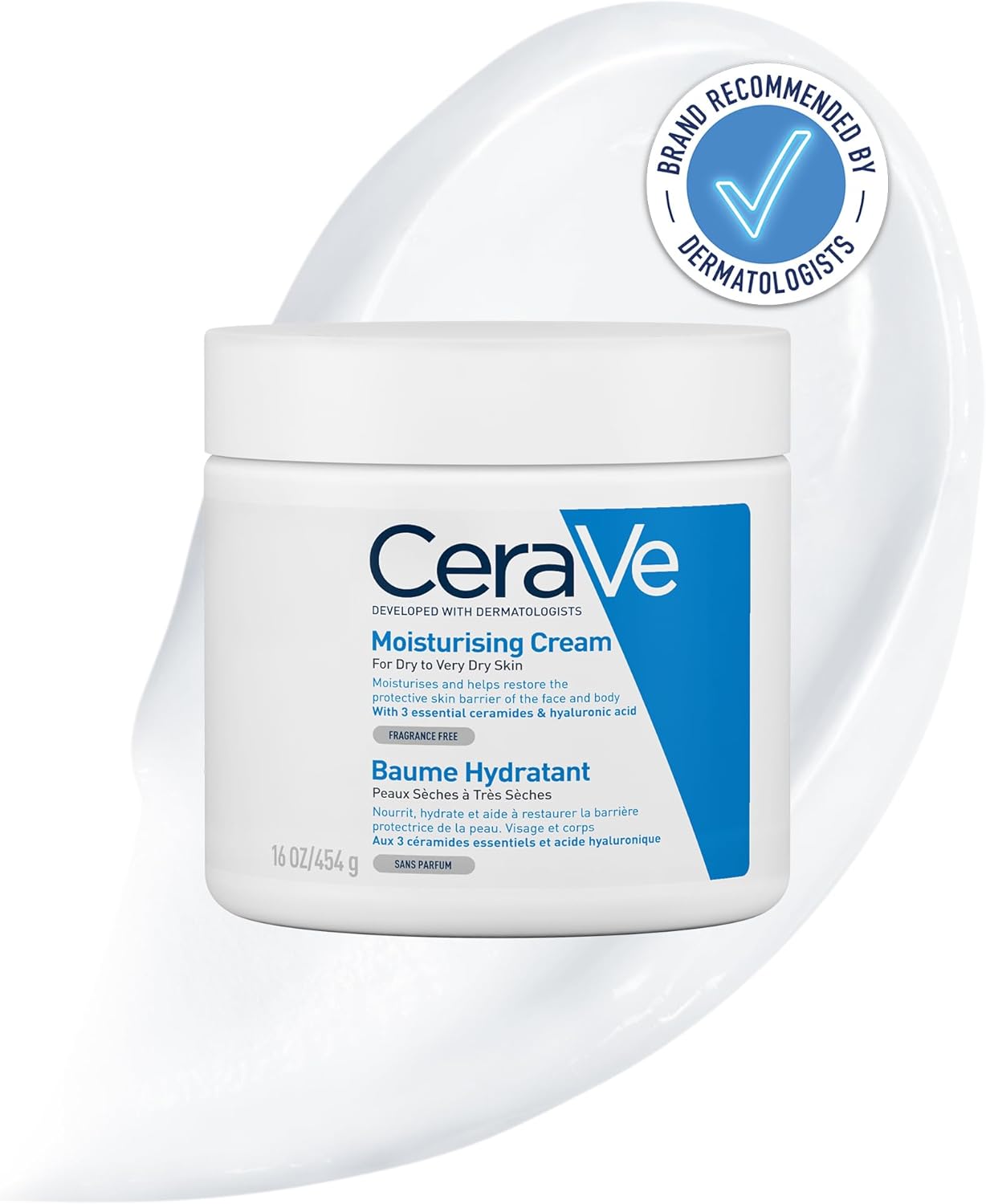
For daily duty, CeraVe Moisturising Cream (£11.07 for a 454g tub) is the workhorse we recommend. It is fragrance-free, so nothing stings freshly shaved skin, and it pairs three ceramides with hyaluronic acid to rebuild the skin barrier rather than just coating it. One reviewer whose pregnancy-dry legs burned under her usual moisturiser says this tub sorted them "within a few days", and it holds a 4.6-star average across more than 58,000 UK ratings.
If you are after smooth legs for summer, start this routine about four weeks before you want results. In the UK that realistically means beginning in May, not the morning of the first barbecue.
Frequently Asked Questions
Is glycolic acid good for strawberry legs?
Yes, it is the most effective over-the-counter ingredient for strawberry legs. It dissolves the dead skin and keratin plugs that make pores look dark, which scrubbing alone cannot do. Use a 5 to 10% product two to three times a week, and never on freshly shaved or broken skin.
Can fake tan hide strawberry legs?
Partially, and it can backfire. A tan lowers the contrast between the dots and the surrounding skin, but self-tan also settles into open pores and can leave them looking darker and more speckled. Exfoliate at least 24 hours before tanning, and treat the texture first for a finish worth showing off.
Are strawberry legs the same as keratosis pilaris?
No, though they often get lumped together. Keratosis pilaris causes rough, raised bumps, usually on the upper arms and thighs, while strawberry legs describes flat, dark dots on the lower legs. The two overlap and respond to the same glycolic acid routine, which is why KP reviewers show up so often in body stick reviews.
Should I switch from shaving to waxing?
Not necessarily. Waxing removes hair below the surface, so there is no dark stubble tip sitting in the follicle, but it raises the risk of ingrown hairs if you skip exfoliation. A sharp blade, proper lubrication and the routine above keep most strawberry legs under control without changing method.
Can I use a body scrub instead of glycolic acid?
A scrub smooths the surface but cannot dissolve what sits inside the pore. Keep one as a top-up between acid sessions if you enjoy the feel, but let glycolic acid do the structural work of clearing the follicle.