
The INKEY List Glycolic Body Stick: Reading the 7-Day Claim Against What Real KP Buyers Are Seeing
We earn commission from qualifying Amazon purchases. It costs you nothing and does not affect what we recommend.
The label says 7 days. Some buyers say first use. Others are still waiting at week three. A small but loud minority got chemical burns. Before you buy a £14.46 stick of 7% glycolic acid because TikTok told you to, here is what the timeline actually looks like, who lands where, and the one rule that stops most of the bad reactions.
- What Is Actually Inside the Tube
- The 7-Day Claim, Mapped Against What Buyers Actually Saw
- The 20% Who Got Burned (Sometimes Literally)
- Rules of Engagement: How to Land in the 80%
- The Concerns It Actually Solves
- The Stick Format: Loved by Most, Awkward for Some
- About That £14.46 Price Tag and How Long the Stick Actually Lasts
- Quick Answers Before You Buy
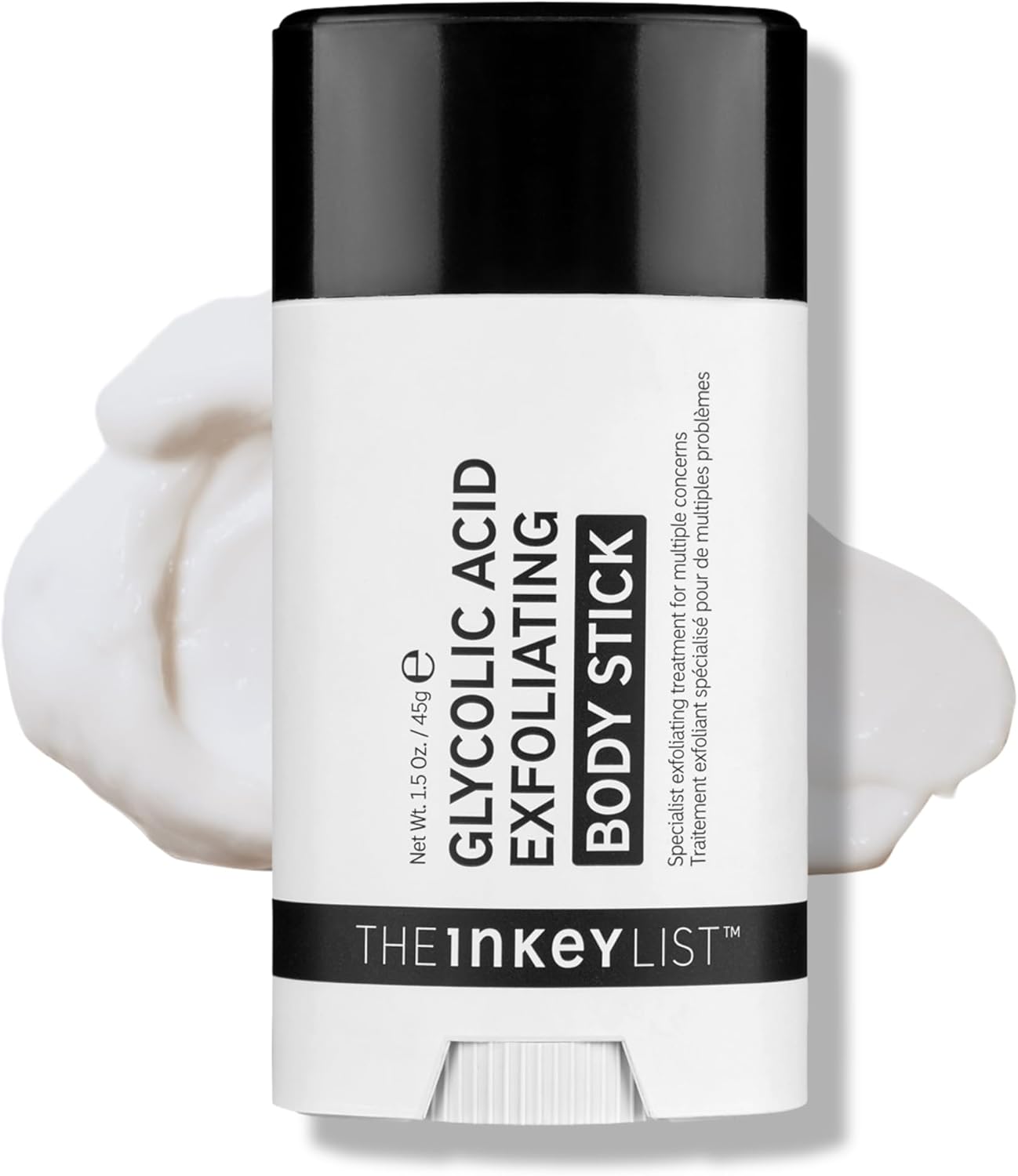
The INKEY List has built its name on cheap, focused skincare actives, and this body stick has become one of the brand's TikTok-driven hits in the UK. £14.46 buys you 45g of 7% glycolic acid, salicylic acid and shea butter rolled into a deodorant-style applicator. The brand makes a specific, falsifiable promise on the box: visible exfoliation in seven days.
That promise is what gets people in. Then 100 verified UK buyers go and test it on their actual bodies, and the timeline splits into something more interesting than "yes it works" or "no it doesn't". Some see results after one application. Some need two weeks of consistent use. A few are still squinting at their arms after a month. And around one in five end up with redness, burning or worse, sometimes on first contact.
If you are about to buy this off the back of a TikTok clip, the question is not whether it works. The data says it does, for most people, on most concerns. The question is which timeline bucket you land in, what you are actually treating, and what you can do beforehand to avoid the bin-after-one-use outcome that 20% of reviewers ran into.
What Is Actually Inside the Tube
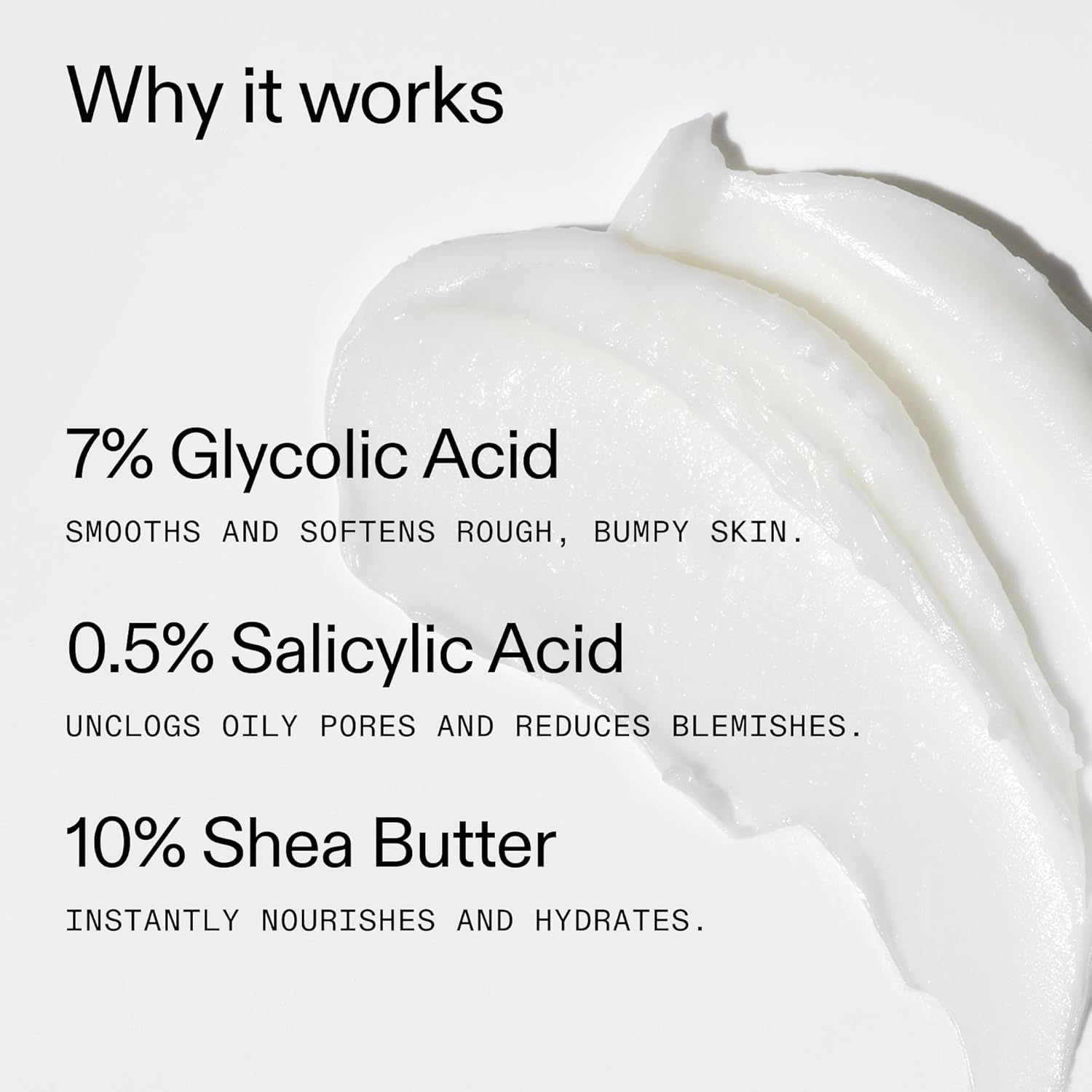
The formula is short and pulls from the active-skincare playbook rather than the body-lotion one. Three things are doing the work:
- 7% glycolic acid. An alpha hydroxy acid that loosens the bonds between dead surface skin cells. On the body that means flaky elbows, the pinhead bumps of keratosis pilaris (KP), and the dark patches left behind after spots heal. 7% is a meaningful concentration, sitting above tonic territory and edging into treatment levels.
- Salicylic acid. A beta hydroxy acid that gets into pores and breaks up the oil and dead skin that cause body breakouts and ingrown hairs. The exact percentage isn't published, but it is the active that buyers credit when their bacne and bikini-line bumps clear.
- Shea butter. The cushioning ingredient. Without something occlusive, two acids on body skin would be an irritation event waiting to happen. Shea butter slows water loss and softens the formula's bite.
It is fragrance free in the marketing copy, although several reviewers call out an oily or chemical smell that some find off-putting. One reviewer who flagged a rancid-fat odour was almost certainly dealing with old stock rather than the standard formula. Storage and turnover at the warehouse seems to be a recurring complaint worth keeping in mind.
The 45g format is small. That is the source of one of the loudest non-skin complaints in the reviews, which we will come to.
 Featured
15% OFF*Limited offer
One Sunday. A week of food, sorted.
23 high-protein recipes, cycle-synced for women who lift.
23 recipes · 60-page PDF · Instant download
£19.20 £16.32
See it on Etsy*Seller's discount on Etsy - may end at any time.
The 7-Day Claim, Mapped Against What Buyers Actually Saw
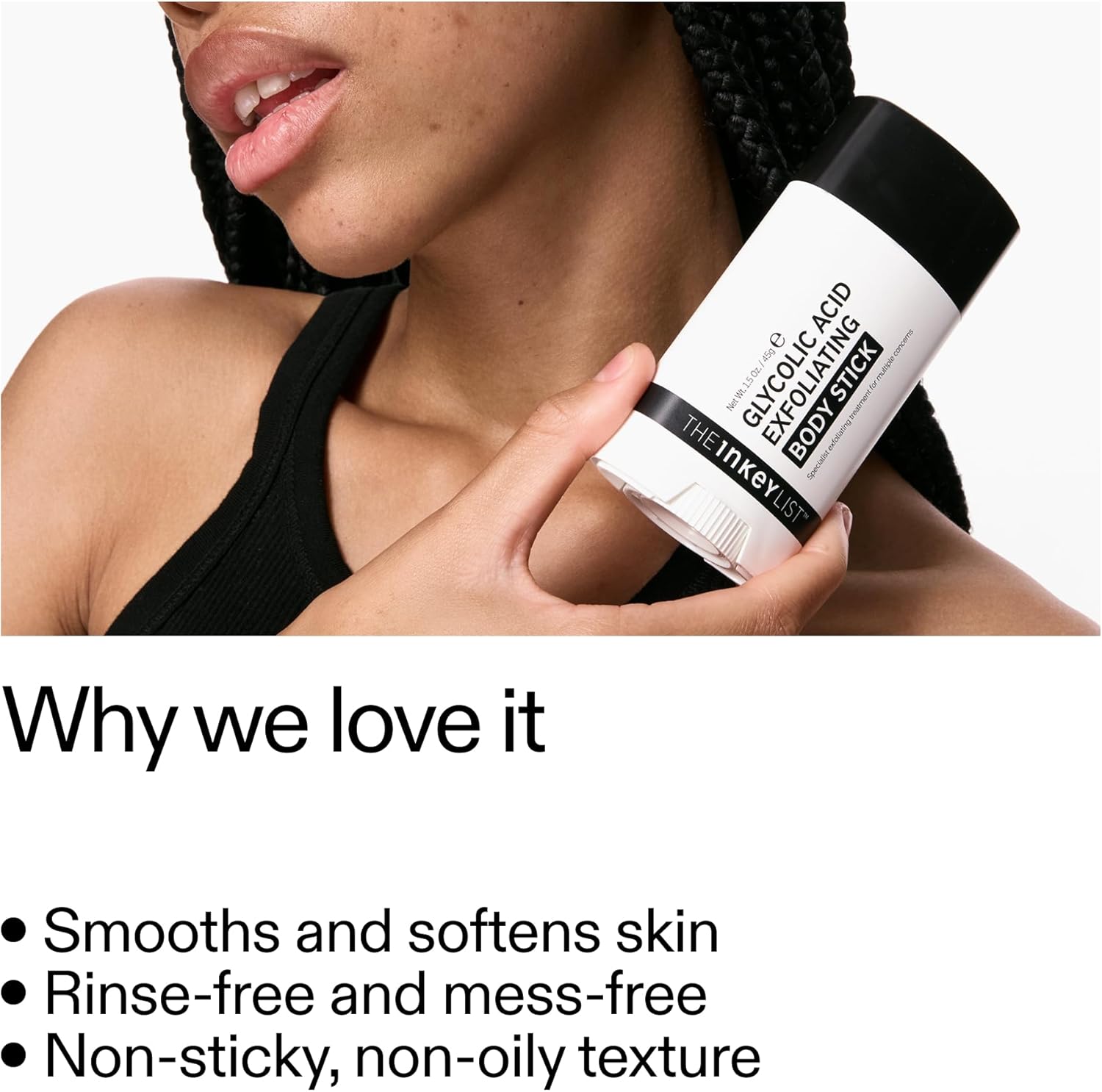
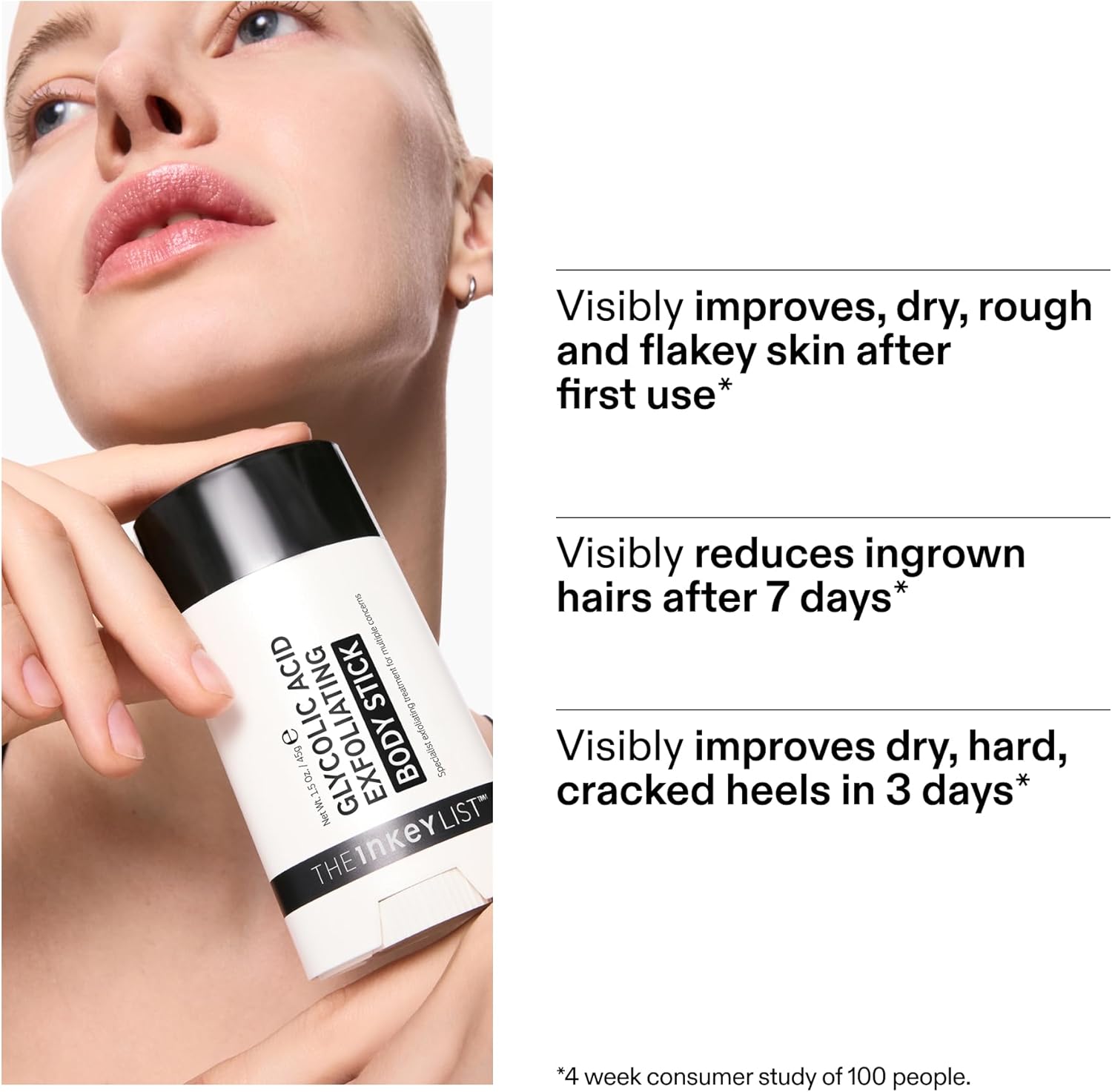
The brand says exfoliation in seven days. Out of 100 verified reviews, the timeline doesn't fit that single number. It splits into four buckets, and where you land depends mostly on what you are treating.
First use to first few days
This is where most of the dramatic five-star reviews live. "Even after the first use I felt a difference," writes one buyer treating KP. Another says her dry-patch skin smoothed after a single application. The buyer who titled her review "KP skin gone in 3 days" is in this bucket, as is the woman who found the formula cleared bacne within a couple of days. If you have surface-level roughness, mild bumps, or a flaking heel, the acid does what acid does, fast.
Two to three weeks
Pigmentation is the slower group. Underarm darkness, the dark spots ingrown hairs leave behind on legs, and post-acne marks are all responding, but they need consistent nightly use. "If you stick with it for a couple of weeks minimum you'll see results," says one reviewer who uses it under deodorant. Several buyers report fading rather than full clearing across this window, which is in line with how AHAs work on melanin: they accelerate cell turnover, and the dark patches shed gradually.
The slow burn (4+ weeks)
Some KP, especially full-arm and full-leg coverage, takes longer than the brand's promise allows. "After three weeks I haven't noticed any difference," writes one reviewer. Another, treating both arms and legs plus pigmentation, gave it weeks before deciding the product was probably too slow for the surface area she was trying to cover.
The no-result group
A handful of reviewers used it as directed and saw nothing at all. That happens with any active. KP in particular has multiple causes, and dietary triggers (one reviewer mentions gluten as a factor for her) can sit upstream of any topical you apply.
The fair read of the 7-day claim: it lands for surface roughness and KP texture in the timeframe the brand suggests. For pigmentation, double or triple it. For full-body coverage, accept that one stick won't get you there.
The 20% Who Got Burned (Sometimes Literally)
Twenty out of 100 reviewers gave this product one star, and the cluster is striking enough that you cannot read the reviews without flagging it. Their experiences fall into three groups.
Skin reactions on first use
This is the largest sub-group within the negatives. "Set my skin on fire," "extreme burning," "chemical burns," "red neck weeks after using this." One reviewer ended up at her GP for antibiotics and steroid cream. Another is still considering legal action over a reaction. These are not buyers reporting a tingle; they describe genuine acid burns.
What the reviews can't tell you is whether these buyers had compromised skin barriers, used the product immediately after shaving (more on that), applied to broken skin, or simply have a level of sensitivity to AHAs that no patch test would have rescued. What they do tell you is that the formula is strong enough that a small but real percentage of buyers cannot tolerate it.
The shave-and-apply mistake
One four-star reviewer's all-caps warning is worth quoting in full: "DO NOT use after shaving!! I had to wash it off completely as it burned and itched so bad." The chemistry is unforgiving. Freshly shaved skin has micro-abrasions across the entire treated area. 7% glycolic into those abrasions is not a tingle, it is a chemical insult. Several of the 1-star reviews describing first-use burning may well be unflagged shave-and-apply incidents.
Damaged or melted product
A separate complaint group has nothing to do with skin: the stick arrives melted, oily-greasy in texture rather than solid, with no expiration date on the packaging. One reviewer found her stick smelled rancid. This points to stock rotation and storage problems somewhere in the supply chain rather than a formula issue, but it shows up often enough that it is worth checking yours when it arrives.
The INKEY List Glycolic Acid Exfoliating Body Stick 45g
A 7% glycolic acid plus salicylic acid stick that targets KP, ingrown hairs, underarm pigmentation and body breakouts in a swipe-on format. Strong enough to deliver visible results within days for the right buyer, strong enough to deserve a patch test from anyone with sensitive skin.
Rules of Engagement: How to Land in the 80%
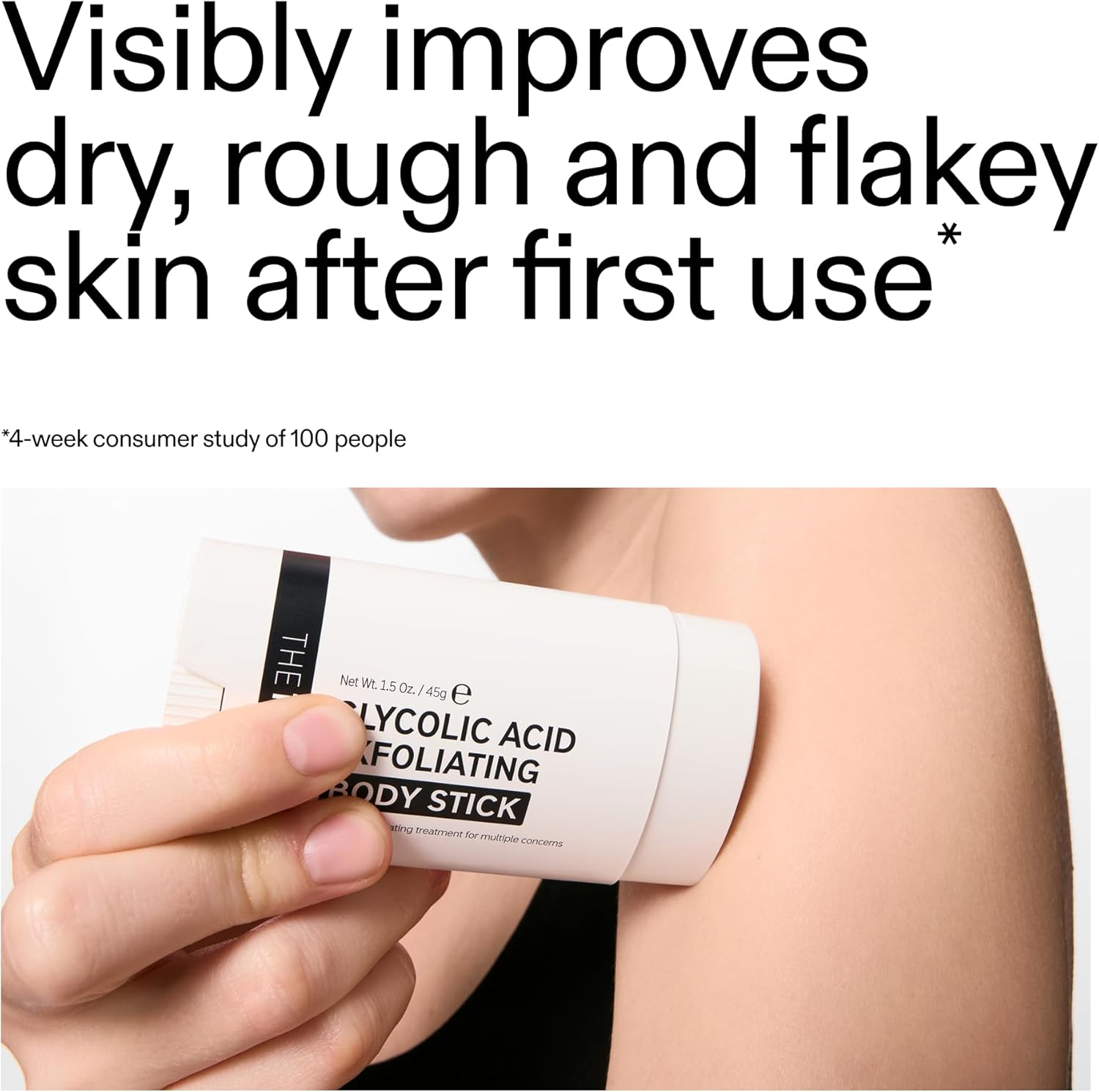
Reading the negative reviews against the positive ones, a clear set of habits separates buyers who got results from buyers who got rashes. None of this is on the box, but most of it shows up in reviews from buyers who got it right.
- Patch test for 48 hours, ideally in two stages. Apply a tiny amount to one inch of skin somewhere boring (forearm), wait 24 hours, then do a second test on the area you actually want to treat (often more reactive). If the second test is fine, proceed. If you skipped this and you are reading this guide while your underarm burns, that is the lesson.
- Never apply straight after shaving. The reviewers are clear and consistent on this. Wait at least 24 hours after a shave before introducing the stick to that area, longer if your skin still feels sensitive.
- Start with two or three nights a week, not daily. One four-star reviewer with sensitive skin landed on once a week and still saw results. Once your skin shows it can handle the formula, build up slowly.
- The brand recommends AM application; many reviewers use it PM. AHAs increase sun sensitivity, which is why the AM instruction is unusual. If you do apply in the morning, the body areas you treat should not see direct sun, or should be covered with SPF 30 minimum. PM application avoids the issue and is what most reviewers default to.
- Underarms once daily, maximum. The brand's own instructions limit underarm use to once a day. Several buyers who report results use it as a deodorant base and skip standard antiperspirant entirely.
- Do not use on broken or actively inflamed skin. If you have an open spot, an ingrown that has just been picked at, or a fresh wax site, give it a few days to heal first.
None of this is dramatic advice. It is the standard "how to introduce an active" protocol, applied to a body product where buyers seem to skip it more often than they would with a face serum.
The Concerns It Actually Solves
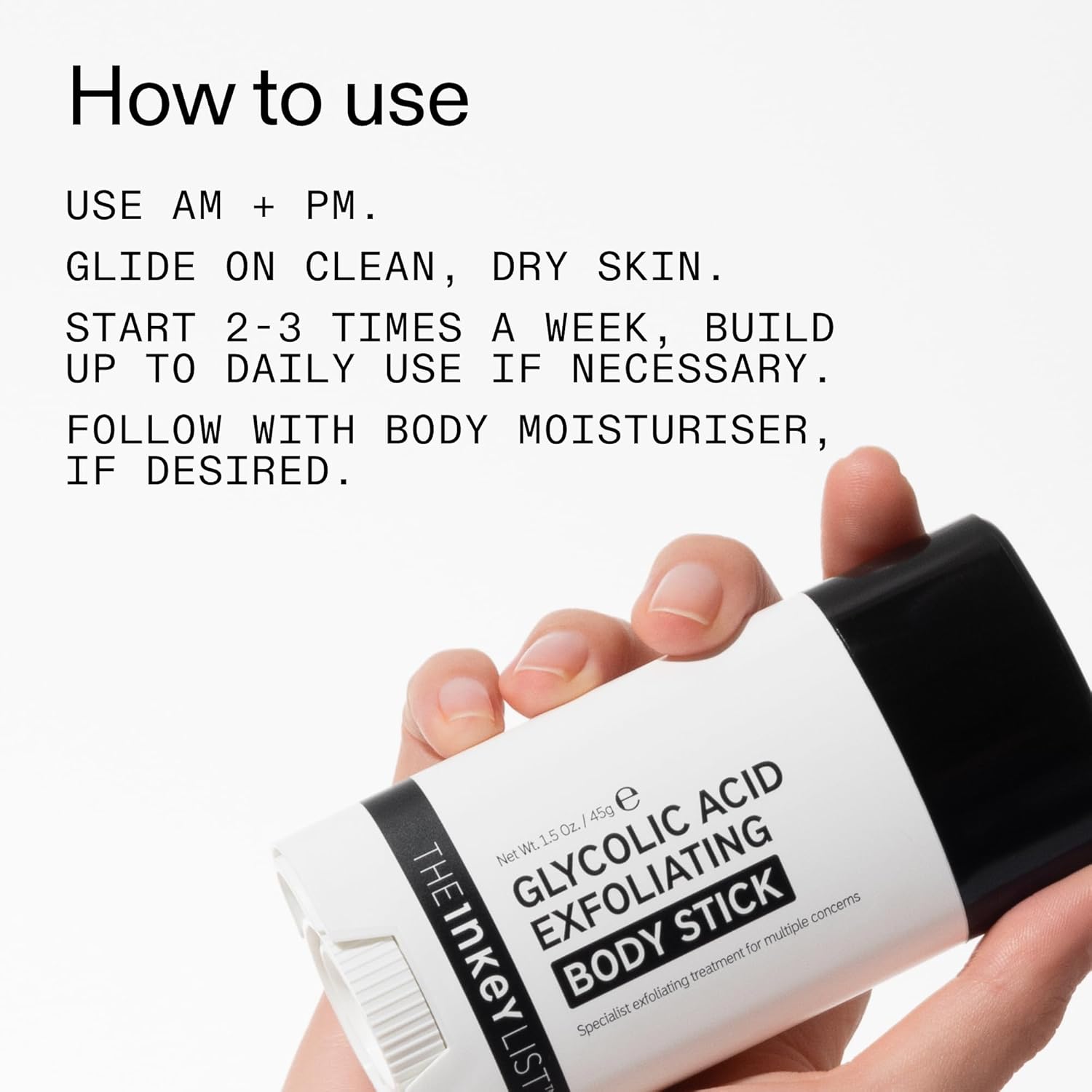
If you read the 5-star reviews looking for what the product reliably delivers, four use cases keep showing up:
Keratosis pilaris (KP / strawberry legs). This is the strongest match. KP is caused by keratin buildup around hair follicles, exactly what an exfoliating acid is designed to address. Buyers report smoother arms, fewer red bumps, and arms that feel different to the touch within days to weeks. Several call it the only KP product that has worked for them after years of trying.
Ingrown hairs and post-shave bumps. Bikini line, legs, underarms. The stick combines exfoliation (lifting the skin trapping the hair) with salicylic acid (clearing the follicle). Multiple reviewers use it on a bikini area and report dramatic clearing.
Underarm pigmentation. A surprisingly large segment of 5-star reviews are from women treating dark underarms. They describe lightening over weeks of use, often combined with using the stick as a base and applying deodorant on top.
Body acne and the marks it leaves. Bacne, shoulder breakouts, post-pill body acne. The salicylic acid component is doing useful work here, and several reviewers report results within days.
What it is not: a body moisturiser, a quick fix for hyperpigmentation that has been there for decades, or a substitute for an actual KP routine that includes shaving the right way and reducing dietary triggers if those are factors.
The Stick Format: Loved by Most, Awkward for Some
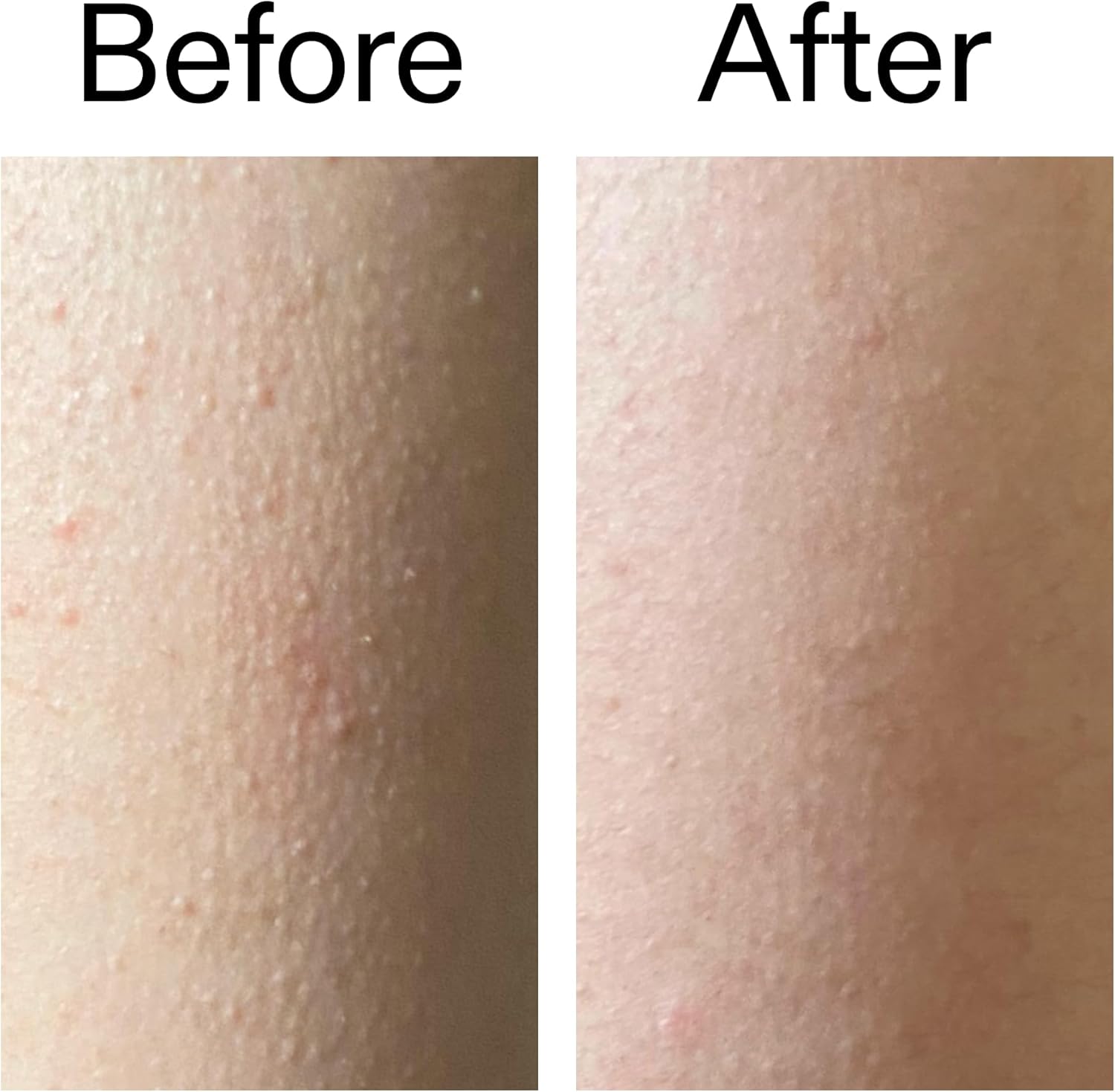
The applicator is the second-most-discussed thing in the reviews after the actives. Verdicts split.
The fans value how clean the format is. Liquid AHAs require cotton pads, get on your hands, drip down your legs in summer, and leave you with sticky residue. Swiping a stick under your arms takes three seconds. "Much easier to apply than liquid exfoliants," writes one reviewer. "Just swipe it on and you're done, no mess."
The critics complain about two specific issues. One: the plastic edges of the applicator scratch the skin if the stick has been wound up and most of the product is gone. Two: the texture is described by some as "thick Vaseline" that doesn't melt into the skin the way the liquid version does. One regular INKEY List buyer who tried both formats said she would stick with the toner.
This is partly a personal preference issue and partly a technique one. Twisting the stick up too far is a recipe for plastic-on-skin friction. "Be careful not to twist it too much," warns one experienced user. The product is also designed for targeted application on small areas like underarms, bikini line and elbows, not for full-body slathering. Several reviewers who tried using it as a whole-body treatment found the format awkward and ran out of stick fast.
About That £14.46 Price Tag and How Long the Stick Actually Lasts
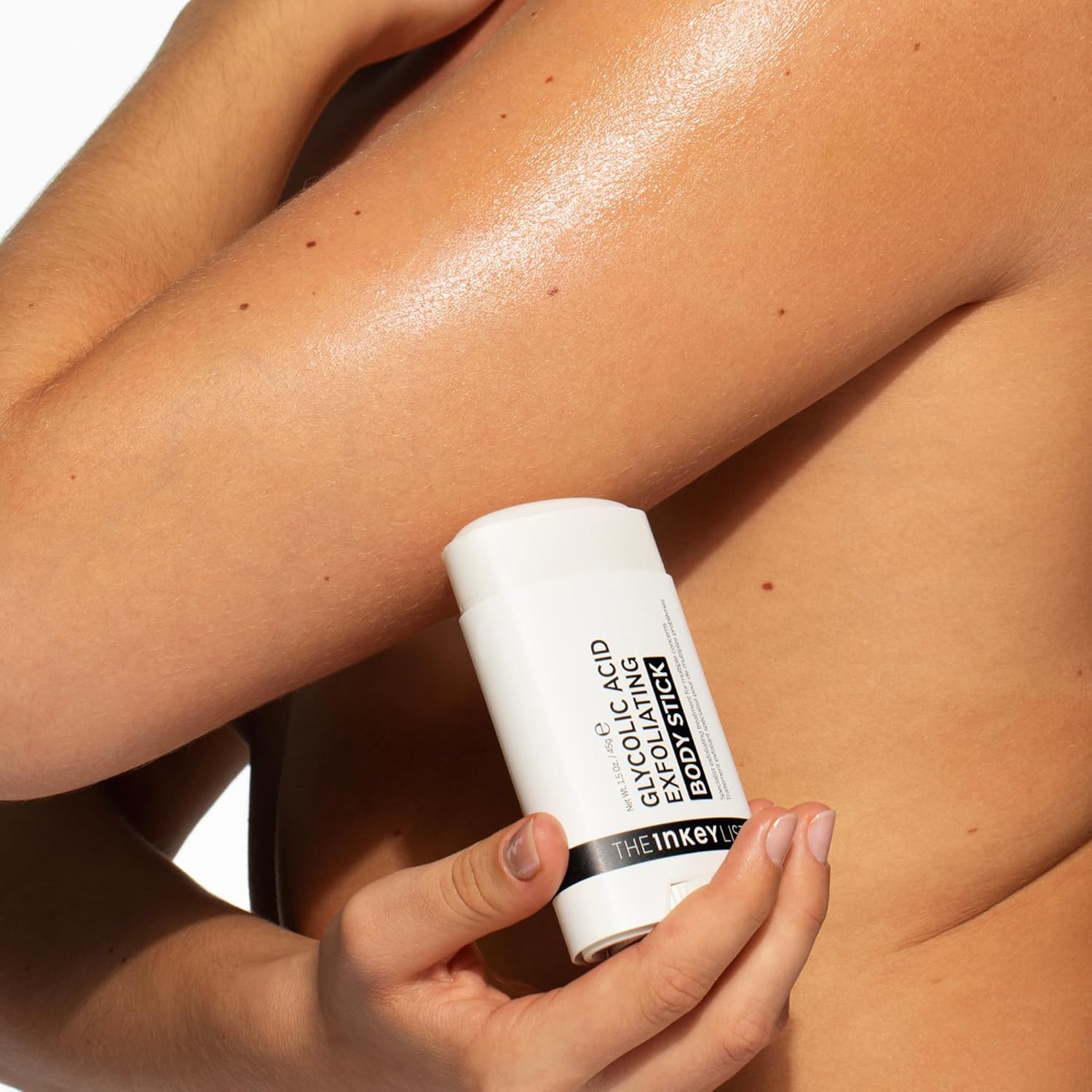
The most consistent value complaint across the reviews is not that the product fails, it is that it runs out before you've finished a course of treatment. "Runs out after a week," "the only downside is the product itself doesn't last very long," "wish there was more in a tube," the same point keeps surfacing.
45g is not very much when you are using it on two underarms, both bikini lines, and the backs of your arms. Single-area users (bikini line only, underarms only) report a stick lasting weeks. Buyers trying to treat full arms plus full legs plus underarms are looking at much shorter stick lifetime.
Stacked against alternatives, £14.46 sits in the middle of the body exfoliant market. The INKEY List's own glycolic toner version offers more product for similar money, which is why some reviewers cycle back to it. AmLactin and CeraVe SA Lotion offer larger sizes at comparable prices but use lactic acid or salicylic alone rather than the dual-acid combination here. The Ordinary's glycolic toner is cheaper per ml, but you have to apply it with a pad and tolerate the mess. Each option has a trade-off.
If you are treating a small area (underarms, bikini line, elbows), the stick is good value because the format is convenient and you will get weeks of use. If you are treating large areas, this is a top-up product, not a primary one, and you should probably layer it with the toner or a body lotion that contains AHAs.
Quick Answers Before You Buy
Will it actually work in 7 days? For surface roughness, KP texture and rough heels, yes for most buyers. For pigmentation and post-acne marks, give it 2-4 weeks. For deeply set hyperpigmentation, longer or possibly not at all.
Can I use it on my face? No. It is formulated for body skin, which is thicker and tolerates higher concentrations. Use on your face risks reactions on the more delicate skin there.
Is it safe for sensitive skin? Mixed answer. Some sensitive-skin buyers tolerate it fine on once-or-twice-a-week use. Others react badly on first contact. Patch test for 48 hours minimum if you know your skin is reactive.
Can I use it after waxing? Wait at least 48-72 hours, ideally longer. Freshly waxed skin is too vulnerable to a 7% AHA.
Will it replace my deodorant? Several reviewers report using it under deodorant or in place of one with no body odour. This is anecdotal not clinical, and individual results vary. The salicylic acid does have antibacterial properties that may explain the effect.
Is it cruelty free? The product details we have don't specify. Check the brand's current site directly if this matters to you.
Why did mine arrive melted? A small but recurring complaint suggests storage or stock rotation issues at fulfilment. Open it on arrival, check the texture, and use Amazon's return process if it looks compromised.
The INKEY List Glycolic Acid Exfoliating Body Stick 45g
A 7% glycolic acid plus salicylic acid stick that targets KP, ingrown hairs, underarm pigmentation and body breakouts in a swipe-on format. Strong enough to deliver visible results within days for the right buyer, strong enough to deserve a patch test from anyone with sensitive skin.