
Westlab Reviving Epsom Salt: The Bag That's Half Bath Soak, Half Household Swiss Army Knife
We earn commission from qualifying Amazon purchases. It costs you nothing and does not affect what we recommend.
A 1kg pouch of unscented Epsom salt for £3.48 would be unremarkable if reviewers were only using it in the bath. Turns out they're soaking dogs' paws in it, treating goldfish with it, and feeding it to their chilli plants. Here's what actually works and what doesn't.
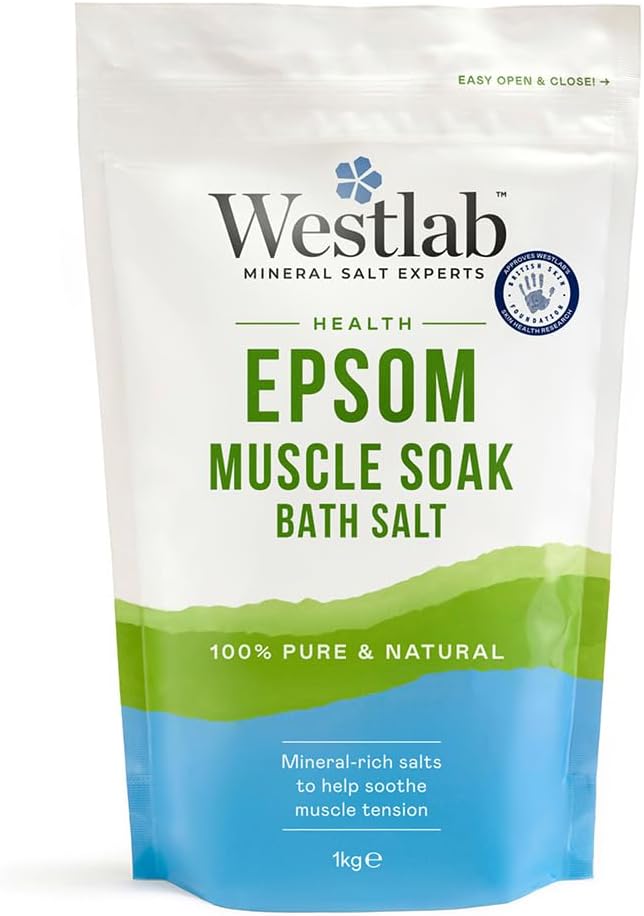
A 4.7-star average across 10,899 ratings is the kind of number you expect from a premium skincare launch, not a £3.48 pouch of unscented mineral salt. Westlab Reviving Epsom Salt has quietly built that reputation while doing something unusual: it keeps showing up in reviews for jobs that have nothing to do with the bathtub.
Yes, plenty of people buy it for the classic use case. Aching muscles after the gym, a long shift on your feet, a hot soak before bed. That's the headline, and the reviews back it up. But the more interesting pattern is what else reviewers are admitting they do with their 1kg pouch: soothing the family dog's irritated paws, treating a goldfish with swim bladder trouble, fertilising chilli plants, even attempting to kill off shrub stumps. One reviewer uses it as a wound poultice and says it should never go near a bath.
I went through 100 of the most recent reviews to work out which uses actually stack up, which claims don't, and whether this particular brand is worth grabbing over the supermarket own-label bag sitting next to it on the shelf. The short version: if you've got a warm tap and a willingness to experiment, £3.48 buys you a surprising amount of utility. But there are two specific groups of buyers who should pause before clicking.
Before You Think of This as Just Bath Salt
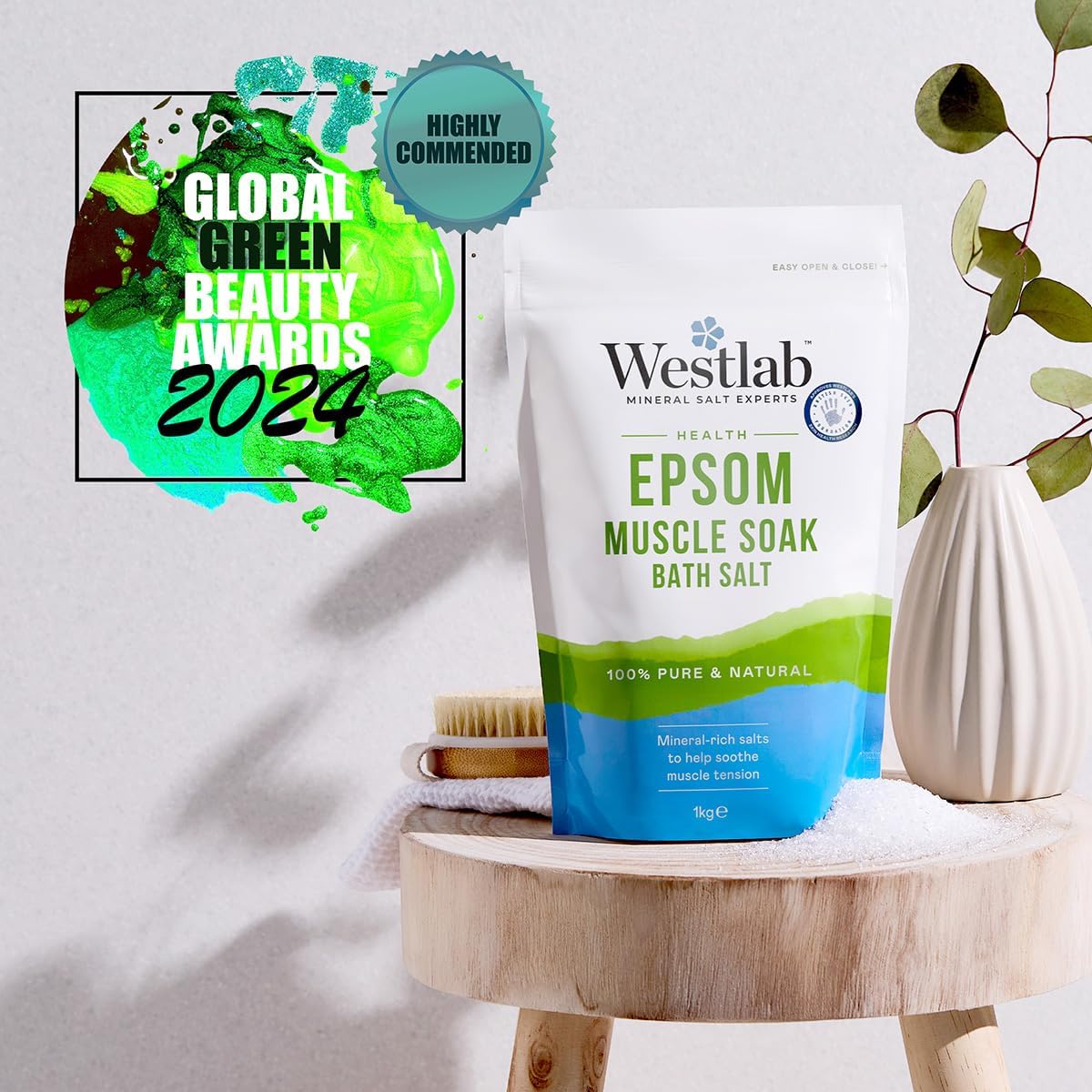
Walk past the wellness aisle and Epsom salt looks generic. A white crystalline powder sold by half a dozen brands, all claiming much the same thing. But the review volume on Westlab specifically tells a different story. 10,899 ratings is an enormous sample, and a 4.7-star average at that scale is rare for anything that lives on a drugstore shelf.
The chemistry is simple enough. Epsom salt is magnesium sulfate, and when you dissolve it in a hot bath it breaks down into magnesium ions and sulfate ions. The brand's pitch is that your skin absorbs the magnesium, your muscles relax, and your nervous system shifts into a calmer state. One review we'll come back to actually disputes this absorption claim outright, and it's worth taking seriously. But even setting the science aside, hot water plus dissolved mineral salt is an effective recovery trick that gym-goers and endurance athletes have used for decades.
What sets Westlab apart in the reviews is less the chemistry and more three practical things: the salt dissolves cleanly with no residue, the resealable pouch stores flat in a bathroom cupboard, and the 1kg bag works out at a few pence per bath. That's the baseline. Everything else is where it gets interesting.
 Featured
15% OFF*Limited offer
One Sunday. A week of food, sorted.
23 high-protein recipes, cycle-synced for women who lift.
23 recipes · 60-page PDF · Instant download
£19.20 £16.32
See it on Etsy*Seller's discount on Etsy - may end at any time.
The Muscle Relief Claim: Does It Actually Deliver
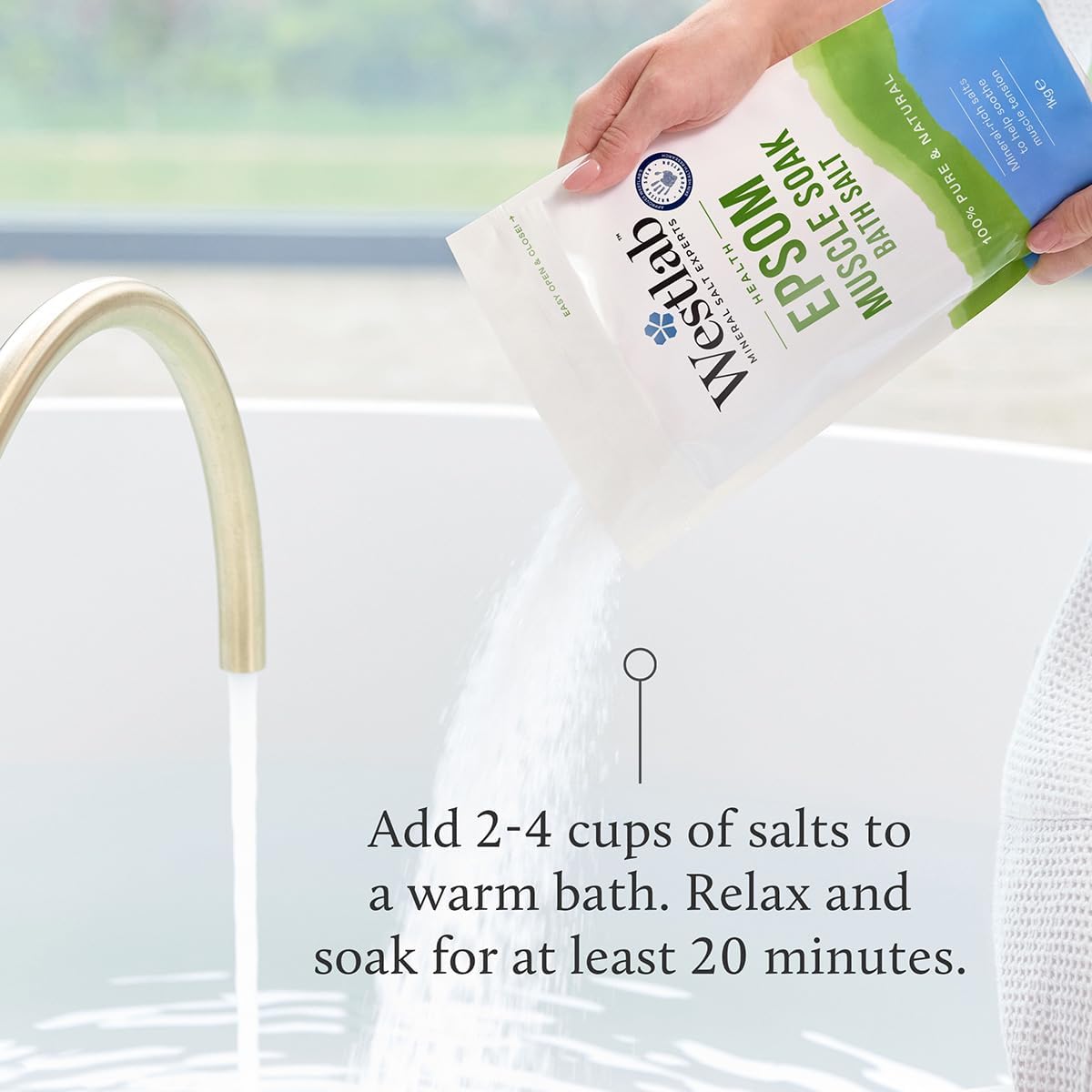
This is the use case the packaging leads with, and it's where the reviews are most consistent. 'Brilliant for aches and pains, put in bath and relaxed for half an hour, did the trick.' 'Really help the day after the gym.' 'Been using it after evening workouts and it really helps me relax before bed.' The pattern repeats dozens of times across the 100 reviews I read, and the language barely varies.
The sleep angle comes up almost as often. 'Have the best sleep after using this.' 'These are amazing they really help with sleep.' Whether that's the magnesium, the hot water, the 20 minutes of forced stillness, or some combination of all three is a debate I'm happy to leave to scientists. What matters in practice is that a lot of people are reporting the same outcome.
One reviewer, who describes herself as constantly sore from the gym, puts two cups in the bath and calls it essential for recovery. Another ordered a batch for Christmas presents and reports that a family member with sensitive skin and eczema had no issues at all. Westlab's directions suggest 100 to 250 grams, about half a cup to one cup, two to three times a week after exercise. For a marathon or triathlon recovery soak, they say you can go up to the full 500g to 1kg in one sitting. The 1kg pouch lasts anywhere from four to ten baths depending on how generous you are with the scoop.
Westlab Reviving Epsom Salt 1kg Resealable Pouch
100% natural, unscented magnesium sulfate bath salts. Great for post-workout soaks, sleep prep, and the surprising number of off-label uses reviewers keep discovering.
The Part of the Reviews Nobody Expected
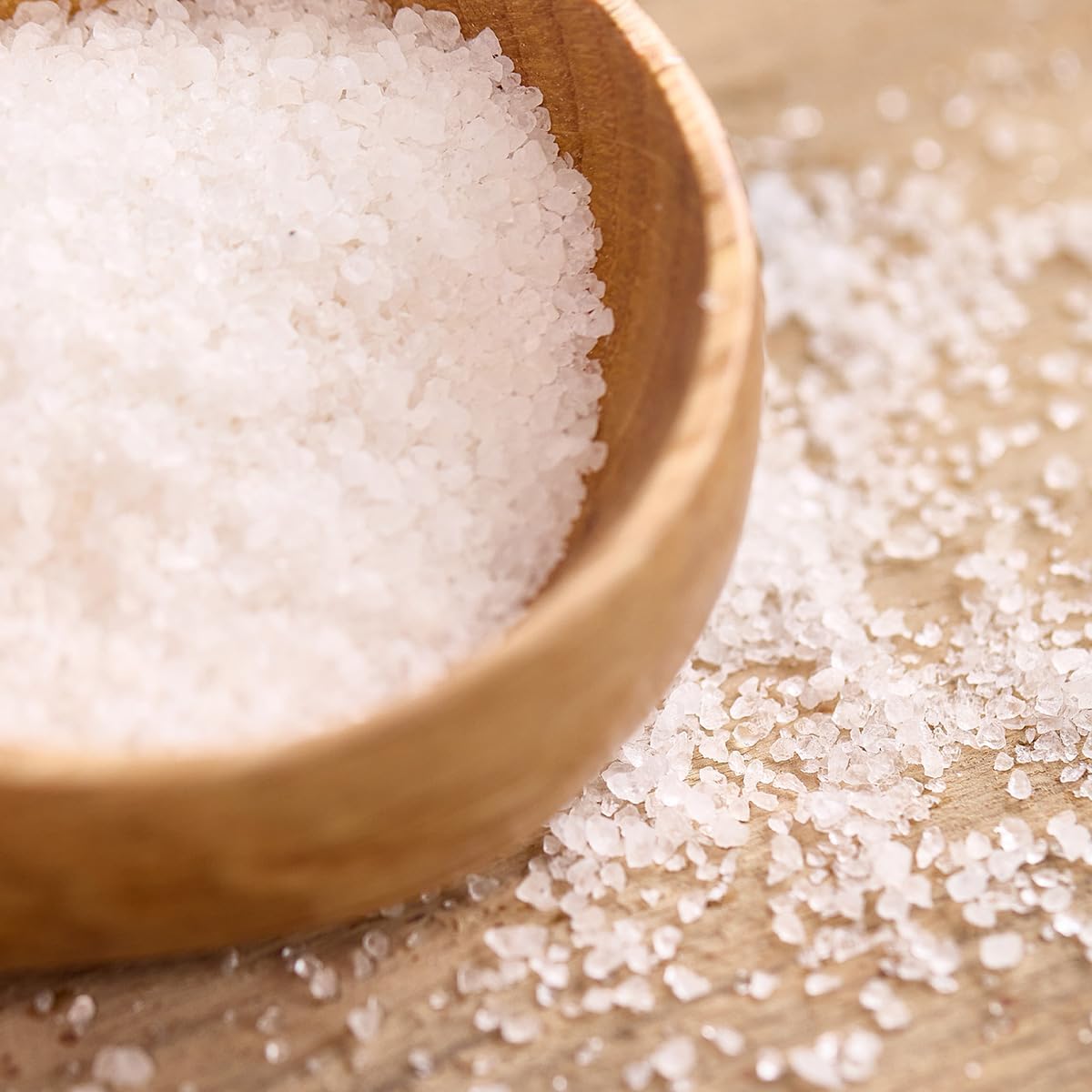
Here is the section that made me want to write this review in the first place. A significant minority of Westlab buyers are not using this in their bath at all. And the range of alternative uses is, to put it mildly, broad.
The biggest off-label category is pets. 'I used this to soak my dog's paw after he cut it. The cut healed quickly and really well. I put a tablespoon in a bowl with warm water.' 'Perfect for soaking your pup's paws in.' 'I'd read this is good for dogs itchy paws. It did soothe them after a 10 minute soothe.' Multiple reviewers specifically bought this for canine foot care, and most report it worked. Always check with your vet before you start dunking your dog in anything, but the behavioural pattern in the reviews is too consistent to ignore.
Then there are the fish. 'Purchased for Tropical and Cold water aquarium. Perfect, treated 1 goldfish that was starting to pine-cone slightly and it worked after a few days.' Another reviewer tried it for a goldfish with swim bladder problems, though she admits it didn't help her fish. Aquarium hobbyists have used magnesium sulfate baths for constipated or bloated fish for decades, so this is a real application, not an urban myth.
The one that caught me off guard was the wound poultice reviewer. 'I always keep this stuff on hand to use on infected cuts, to avoid using antibiotics. I just add some to just enough water to make a paste, and use the paste as a poultice. Smear on the wound, wrap in airtight bandage, leave twelve hours.' She also uses it to draw out splinters and sea urchin spines. This is old-school first aid that her grandparents probably recognised, and it's the kind of use case that has completely vanished from modern pharmacy advice.
Gardeners are in the mix too. One reviewer feeds a diluted solution to her chilli plants and reports they love it more than her skin does. Another has been using concentrated Epsom paste to kill off stubborn shrub stumps after seeing it on YouTube. One buyer uses it to make homemade washing powder. I am not going to endorse all of these. But I am going to note that a 1kg bag for £3.48 gives you enough runway to try a few of them without feeling wasteful.
The Science Dispute Worth Knowing About
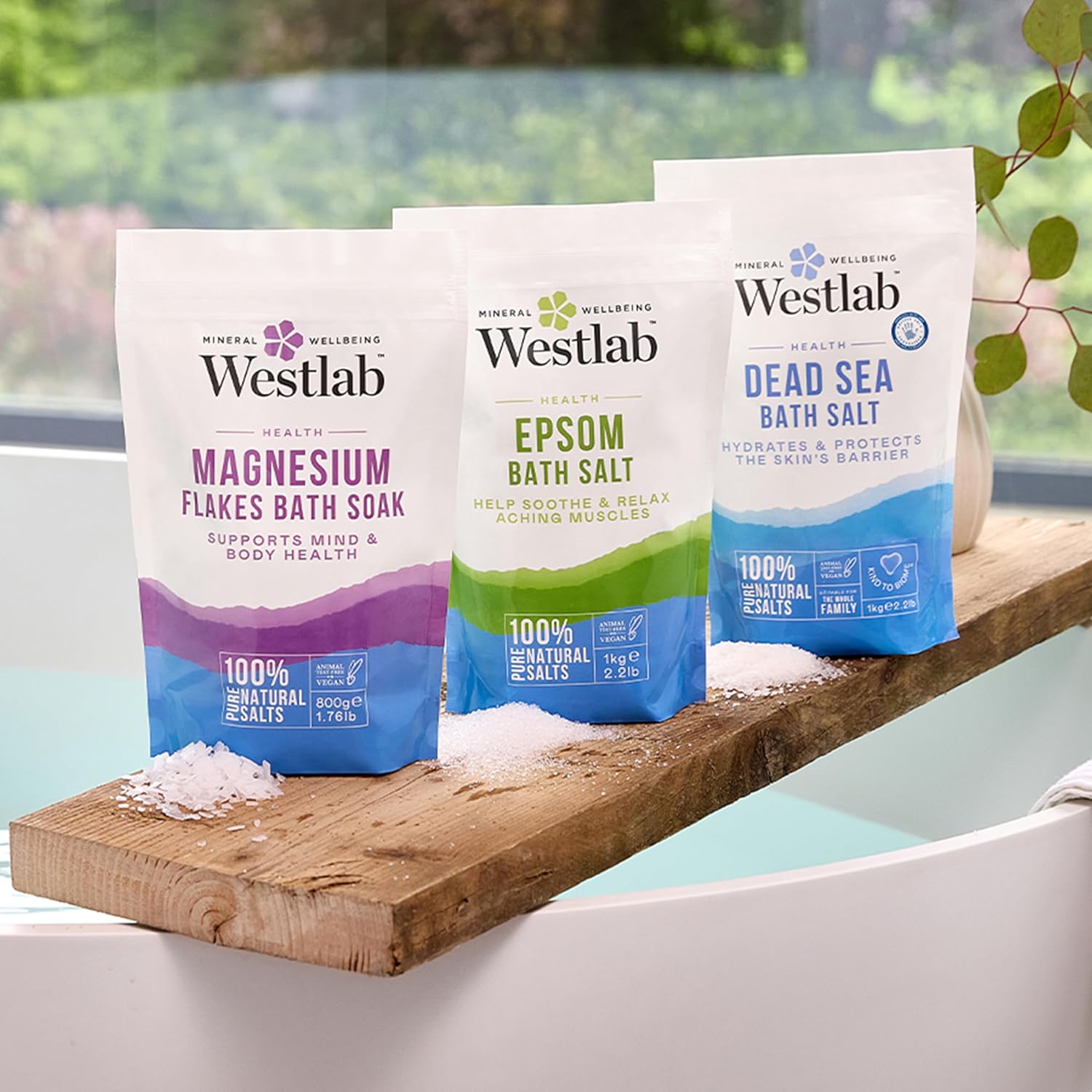
Not every reviewer is on board with the magnesium-through-skin narrative, and one of them makes the point more forcefully than the rest. 'Epsom salts stay firmly in my first aid cupboard, never in my bath, after all, you can't actually absorb mag sulph through the skin, contrary to popular belief. I leave the hot water to do the relaxing thing, which it is very good at.'
She has a point. The peer-reviewed evidence for meaningful transdermal magnesium absorption from bath salts is thinner than the wellness industry lets on. What a hot Epsom bath reliably does is relax you, warm your muscles, encourage you to lie still for 20 minutes, and soften the top layer of your skin. Those are all real benefits. Whether your blood magnesium levels rise in any measurable way is much less certain.
Why does this matter for a buying decision? Because if you are buying this expecting it to fix a genuine magnesium deficiency, an oral supplement is probably a better use of your money. If you are buying it for the ritual, the recovery after exercise, the sleep prep, or the skin softening, the reviewers' enthusiasm is well founded and the price is sensible.
Two Groups Who Should Think Twice
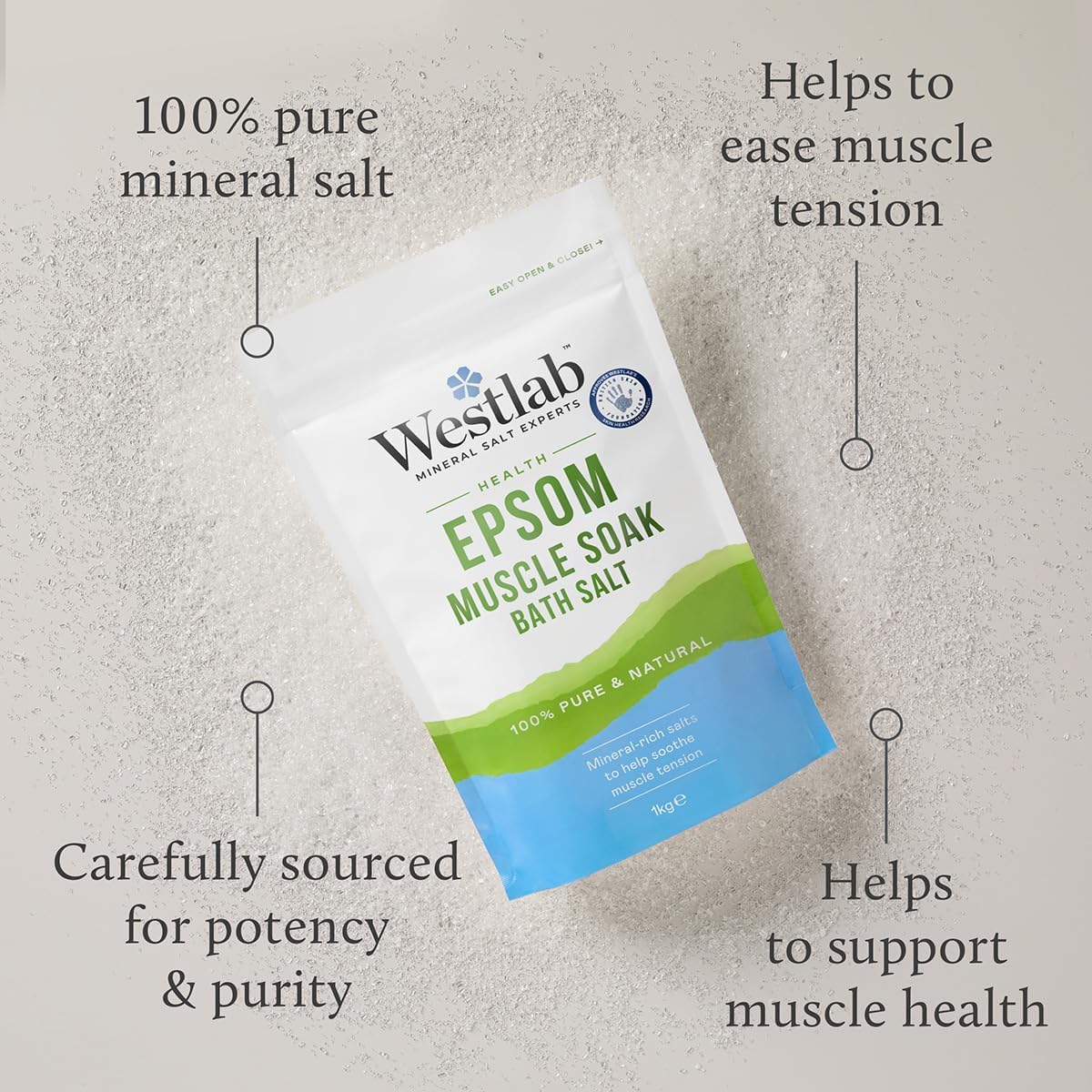
The overall rating is high, but there are two categories of negative review that come up often enough to flag.
The first is sensitive skin. The single one-star review in my sample describes using a small amount for a foot soak and ending up with skin 'red raw and itching like crazy' that took two weeks to settle. If you already react to bath products, fragrances, or mineral soaks, start with a very small test dose before committing to a full bath. Epsom salt is usually gentler than perfumed bath products, but 'usually' is not 'always'.
The second is packaging and delivery. Several reviewers report their bag arrived as a solid damp lump, likely due to moisture ingress during storage or transit. 'Arrived in 1 solid lump. Obviously some moisture got into the bag or was poorly stored. Gave 3 stars as a refund was immediate.' Amazon refunds have been quick in every reported case, but it is a friction point worth knowing about. Once the bag is open and stored in a dry cupboard, the resealable closure holds up well and the salt stays loose.
Pregnancy and breastfeeding are worth a mention too. Westlab's own directions advise speaking to a healthcare professional first, which is standard but worth repeating. One reviewer specifically used these throughout pregnancy for back pain and found them soothing, but check with your midwife or GP rather than taking any random Amazon reviewer's word for it.
How It Compares on Price, Scent, and Storage
You can buy Epsom salt under a dozen different labels in UK supermarkets, health food shops, and on Amazon. What makes Westlab specifically the one reviewers keep rebuying?
Price first. At £3.48 for 1kg, this sits at the mid-to-low end of the market. Cheaper pharmaceutical-grade bags exist, but they usually come in plain plastic with no resealing mechanism and tend to clump faster once opened. Spa-brand Epsom salts at £10 to £15 for similar weight add fragrance oils and pretty packaging, which is fine if that is what you want, but you are paying a premium for the marketing.
Scent is where Westlab splits opinion intentionally. This bag is completely unscented. For some reviewers that is the whole appeal: 'I love the lack of artificial smell! The salt really helps me relax my muscles.' For others, pairing with their own essential oils is part of the ritual: 'I sometimes add in my own essential oils for the luxury element.' If you want a pre-scented bath experience straight out of the pouch, Westlab makes other variants with lavender and other botanicals. If you want the raw material to customise, this is the one.
The resealable pouch gets quietly praised across the reviews. It stands up on a shelf, stores flat in a cupboard, and closes properly. After using bath products that come in cardboard tubs with flimsy plastic liners, the practical upgrade is real.
Our Verdict on the £3.48 Pouch
This is one of the easier recommendations I've written. A 4.7 average from 10,899 ratings is rare, the product does what the label says, and the off-label uses turn a bath-soak purchase into something with a much longer shelf life in your house.
If you are buying this for post-workout muscle recovery, evening wind-down, or general bath ritual, the reviews are overwhelmingly positive and you are going to enjoy it. If you are buying it as a single solution to a serious magnesium deficiency, an oral supplement is probably a better call. If you have aggressively sensitive skin, start small.
For everyone else, £3.48 for a 1kg bag that covers aching muscles, pet paw soaks, occasional plant feeds, and whatever else you find on YouTube is sensible money. The resealable pouch means you are not committing to finishing it in a week. The unscented formula means you can customise with essential oils when you feel like it. And the 1 in 100 chance your bag arrives damp is covered by Amazon's returns process.
One final note. If you want a pre-blended aromatic bath, Westlab sells scented versions of this salt with lavender and other blends. This Reviving variant is the plain, flexible, blank-canvas option, and it is the one we'd recommend starting with. Once you know how you like to use your Epsom salt, you can always graduate to the flavoured editions later.
Westlab Reviving Epsom Salt 1kg Resealable Pouch
100% natural, unscented magnesium sulfate bath salts. Great for post-workout soaks, sleep prep, and the surprising number of off-label uses reviewers keep discovering.