
NIVEA SUN Protect & Moisture SPF 30 Review: The Bottle That Survived a Kenyan Summer
We earn commission from qualifying Amazon purchases. It costs you nothing and does not affect what we recommend.
Paul Cox took this £3.60 NIVEA SPF 30 to Kenya and came back unburnt. Here's what 100 real buyers say about the CITRACELL-PROTECT formula, and the one packaging issue worth knowing before you buy.
- The Kenya Test and Why Climate Performance Matters
- Inside the Bottle: Vitamin C, Hyaluron and the CITRACELL-PROTECT Story
- The Texture Test: Fast-Absorbing, No White Cast (Mostly)
- Application: The Shot Glass Rule Nobody Follows
- Where Reviewers Disagree: The Sunburn Complaints
- How It Sits Against Boots, Tesco and the NIVEA Spray
- Who Should Buy This (and Who Shouldn't)
"Even in the fierce Kenyan heat this sunscreen gave great protection." That's Paul Cox, one of a hundred UK buyers who put this NIVEA bottle through real conditions and came back unburnt. Not a staged holiday photo, not an influencer unboxing, just a £3.60 bottle of factor 30 doing its job halfway across the world.
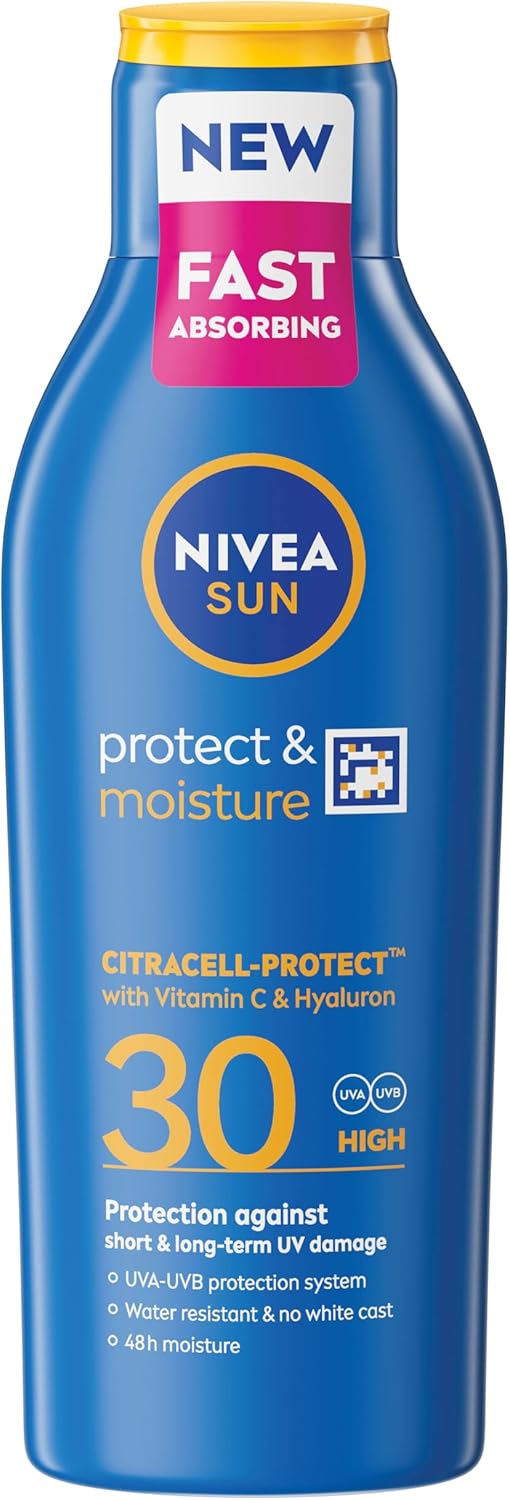
The NIVEA SUN Protect & Moisture Sun Lotion SPF 30 is currently sitting at #1 Best Seller in Body Sunscreens on Amazon UK. We read the 100 most recent reviews, cross-checked them against the CITRACELL-PROTECT formula claims, and found a product that largely delivers on its promises, with one delivery-related issue you should factor into your buying decision.
At the time of writing it's £3.60 for a 200ml bottle (down 33% from £5.35 RRP), which works out at £1.80 per 100ml. That's the cheapest high-street-brand factor 30 we've priced this month, and the reason 3,000+ bottles shifted in the past four weeks alone.
The Kenya Test and Why Climate Performance Matters
Sun protection works in the British summer almost by default. The real test is what happens when you land in a hot country and the UV index climbs into the red zone. This is where the Kenya review caught our attention, and it's not alone.
One reviewer wrote simply: "Needed for the tropics. Maybe even Spain if you're light skinned or fair headed." Another, Scott, said he "didn't burn once" while sunbathing regularly on factor 30 and advised staying on 30 rather than dropping to lower SPFs: "Better off going 30 all the time and not dropping to 15 or 10 in my opinion. Absorbs quickly." EMMA took four adults on holiday and went through one 200ml bottle per person in a week, reporting: "No one burnt which was a first for us so will definitely buy the same again."
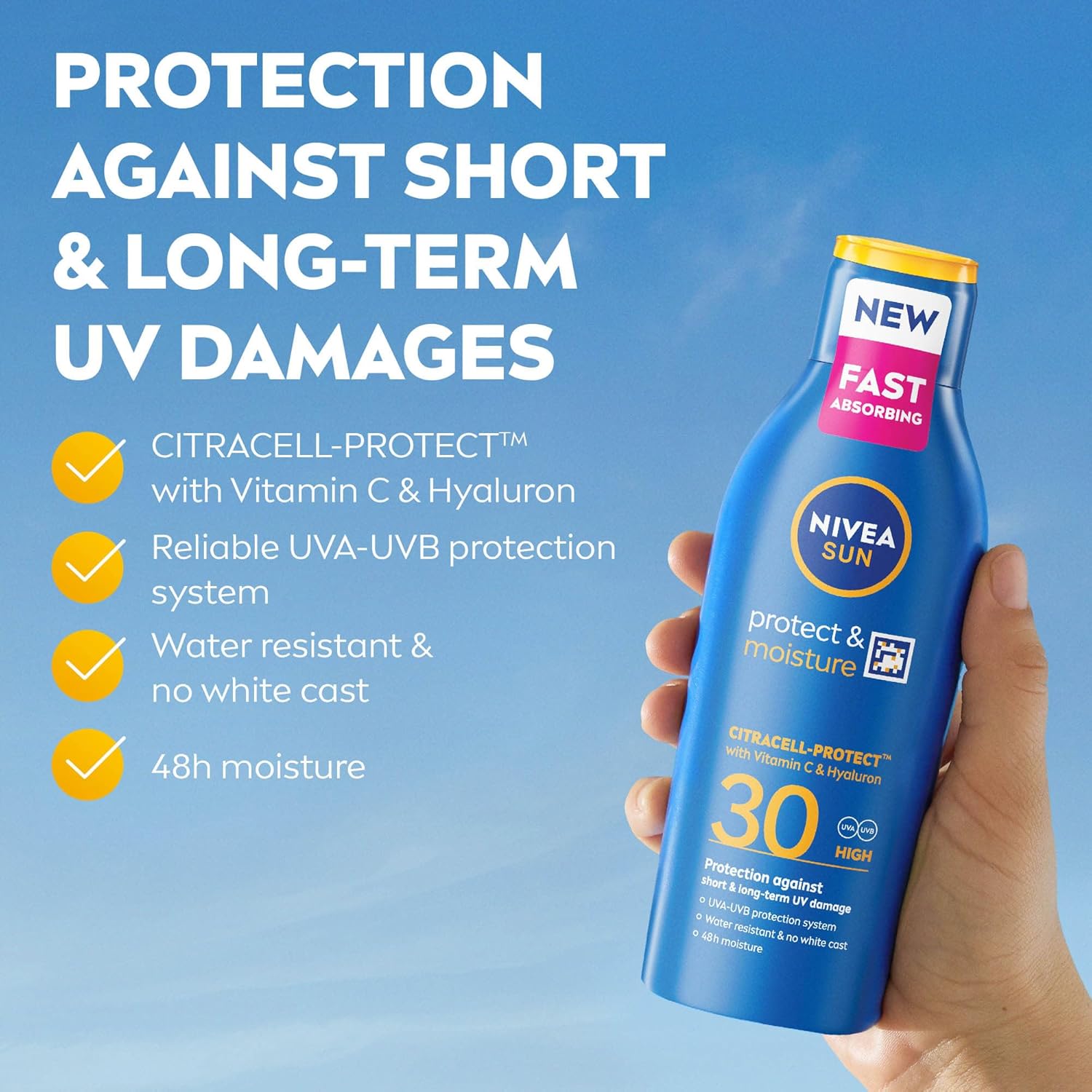
The science backs this up. NIVEA's formula combines Avobenzone (Butyl Methoxydibenzoylmethane), Bis Ethylhexyloxyphenol Methoxyphenyl Triazine, Titanium Dioxide (nano), and Ethylhexyl Triazone to deliver broad-spectrum UVA and UVB coverage. The CITRACELL-PROTECT system adds Vitamin C and Hyaluron to support the skin from within, the idea being a second protective barrier that works alongside the topical filters.
Is it infallible? No sun cream is. We'll cover the dissenting voices later, but the tropical-climate performance is the strongest single signal in this review pool.
 Featured
15% OFF*Limited offer
One Sunday. A week of food, sorted.
23 high-protein recipes, cycle-synced for women who lift.
23 recipes · 60-page PDF · Instant download
£19.20 £16.32
See it on Etsy*Seller's discount on Etsy - may end at any time.
Inside the Bottle: Vitamin C, Hyaluron and the CITRACELL-PROTECT Story
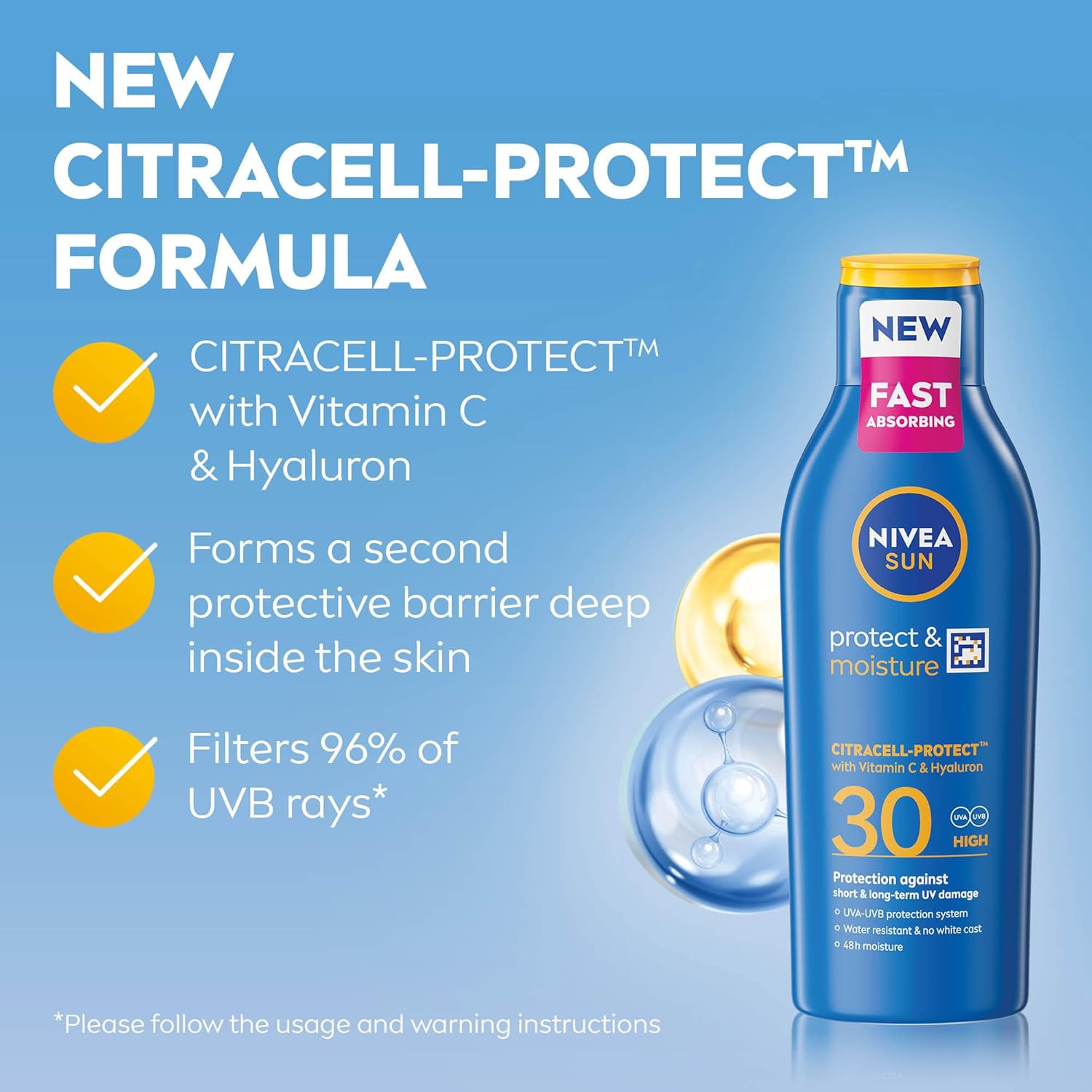
If you've been buying NIVEA for years, you might remember the older formulas. The current one has been reworked around something NIVEA calls CITRACELL-PROTECT, a trademarked system pairing Vitamin C with Hyaluron. Vitamin C is a well-established antioxidant that helps neutralise free radicals triggered by UV exposure, and Hyaluron (hyaluronic acid) is the same moisture-binding ingredient you'll find in premium serums costing ten times this.
The full ingredient list shows Glycerin high on the order (so it's doing real work as a humectant), Tocopheryl Acetate (vitamin E) for additional antioxidant support, and Dimethicone for that smooth silky finish reviewers keep mentioning. NIVEA has also removed Octinoxate, Oxybenzone, and Octocrylene, the three UV filters most commonly flagged for coral bleaching. The formula is free of microplastics and is biodegradable, which matters if you're using it poolside or in the sea.
Reviewer michelle rodgers put the 48-hour moisture claim in plain English: "Fast delivery. Great sun protection, leaves skin feeling like silk and moisturized." Joyce Oroux described it as "a nice smooth cream which spread very easy over the body." The Vanilla scent divides people in a pleasant way, most reviewers love it ("smells nice, makes you feel like you're on holiday") while a couple find it forgettable. Nobody hated it.
The Texture Test: Fast-Absorbing, No White Cast (Mostly)
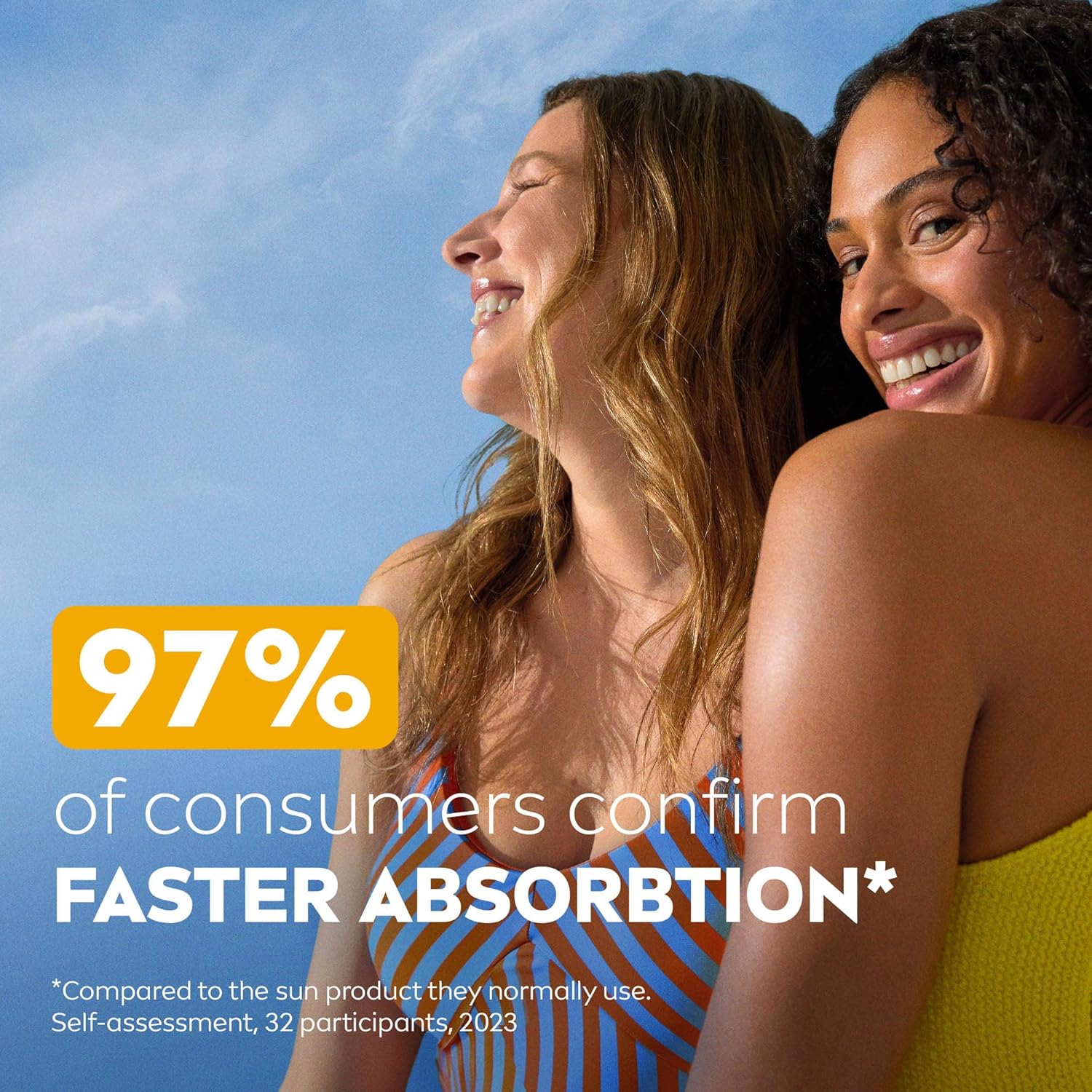
Every sunscreen review eventually comes down to one question: does it feel horrible on your skin? For most of our 100 reviewers, the answer is no. Words that came up repeatedly include "not greasy," "absorbs quickly," "lightweight," "silky," and "not sticky." Faiza N captured it well: "The consistency is just perfect, not too thick and not too runny, it smooths on with ease and smells really nice too."
NIVEA claims the formula absorbs faster than average and doesn't leave the pale residue that cheaper mineral-heavy SPFs often produce. For light to medium skin tones, that holds up. Val Robson: "It's suntan, it works, it's not greasy." Panache: "It sinks in well and does not leave a nasty white film."
Here's the caveat, and it's an important one. A reviewer with darker skin left a three-star review titled "it's for white people," writing: "This product could have been amazing if not that it leaves your face white even after rubbing it in a lot." That's a fair and consistent criticism of many chemical-and-mineral hybrid SPFs, and the Titanium Dioxide in this formula is the likely culprit. If you have a deeper skin tone, you may need to blend more aggressively or look at body-specific tinted options from other NIVEA lines.
A minority of reviewers (roughly 3 out of 100) also found it "takes a while to soak in" or slightly oily, particularly those used to the NIVEA spray version. If speed of absorption matters more than the 200ml value, the aerosol format may suit you better, but you'll pay noticeably more per millilitre.
NIVEA SUN Protect & Moisture Sun Lotion SPF 30 (200ml)
Water-resistant SPF 30 with CITRACELL-PROTECT Vitamin C and Hyaluron. 48-hour moisture, ocean-respect formula, non-greasy finish. The #1 Amazon Best Seller in Body Sunscreens.
Application: The Shot Glass Rule Nobody Follows
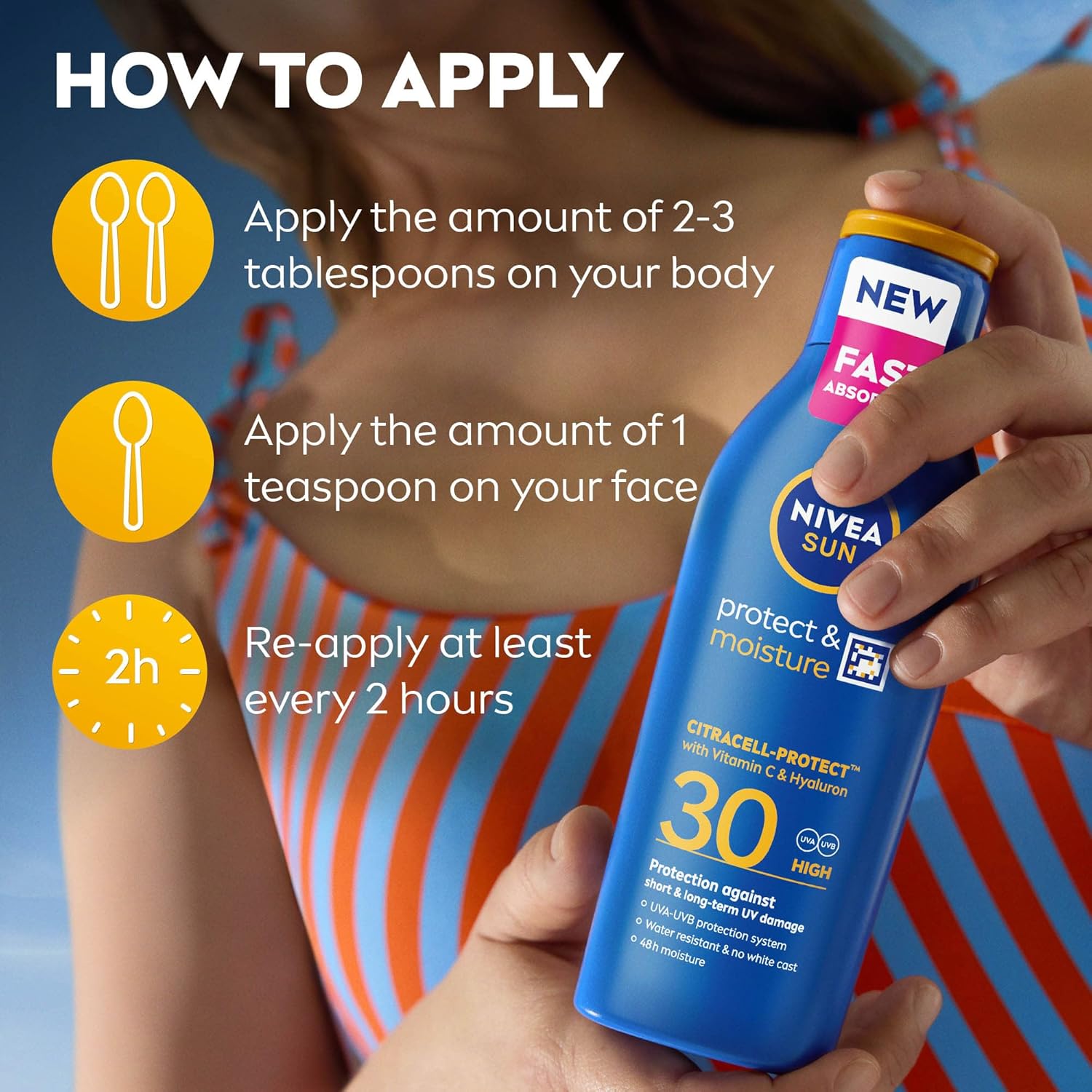
NIVEA's instructions are specific and most people ignore them. The guidance is 2 mg per cm² of skin, which works out to roughly a shot glass full for the entire body, applied 15 to 30 minutes before sun exposure and reapplied every two hours or after swimming or sweating.
That matters because sun cream tested at SPF 30 in a lab is tested at that application density. Use less and you're effectively applying a lower factor. This likely explains some of the negative reviews we'll get to shortly, where users reported burning despite "applying correctly." Correctly, in sunscreen terms, means considerably more product than most of us use.
The good news: a 200ml bottle at shot-glass dosing gives you roughly 6-7 full-body applications, which means two bottles comfortably cover a week's holiday for one adult. At £3.60 a bottle, that's £7.20 for a week of proper sun protection, versus £15-plus for a single bottle of premium-brand equivalent at Boots.
The waterproof claim holds up in the reviews too. Ieva: "Really good, waterproof suncream. Doesn't leave orange stains on clothes." NIVEA rates it as water-resistant rather than fully waterproof, and the real-world advice is to reapply after swimming regardless of what the label says. Anyone who's used cheaper sun cream knows the yellow streaks on white shirts: that isn't happening here.
Where Reviewers Disagree: The Sunburn Complaints
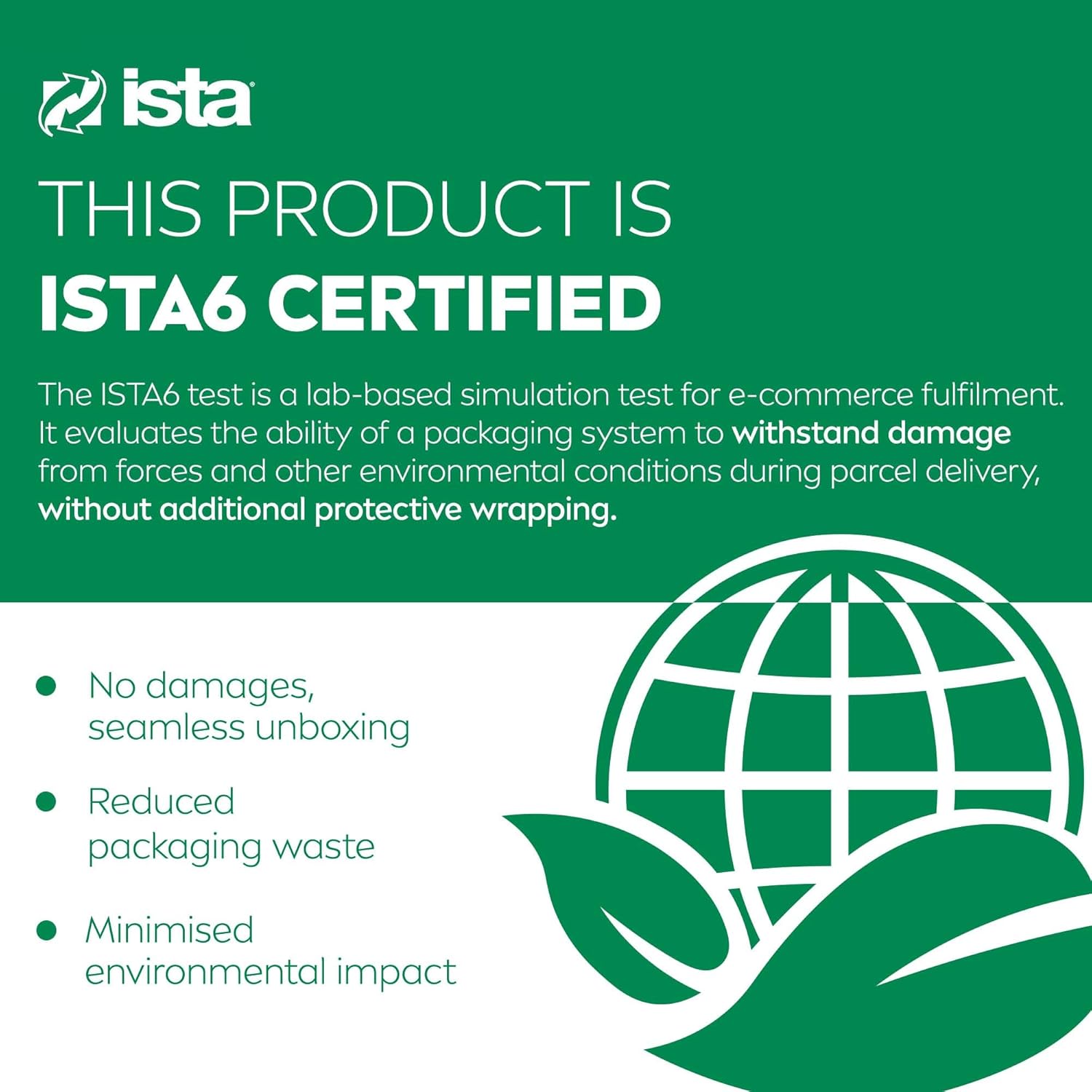
Nine out of 100 reviews gave this product one star. That's worth understanding in context. The most common complaint in the one-star bucket isn't the formula itself, it's damaged packaging on delivery. LindyLou: "Arrived damaged with a lot of the cream in the cardboard sleeve it was delivered in. The lid was open so no care was done in packaging." Rosiebaby reported a burst bottle. BS ordered two lotions: one wasn't received, the other had the seal torn off.
These are legitimate Amazon fulfilment issues, not formulation problems, but they're worth raising because returns on "damaged" sun cream can be refused once opened. If your bottle arrives dented or leaking, photograph it before opening anything.
The more concerning complaints come from two long-term NIVEA users who reported getting sunburnt despite careful application. Claire: "I've bought this product for 20 years or so, used it every holiday I've been on. Recently bought this for the first time on Amazon & my daughter & I got sunburnt despite applying correctly etc. Not sure if it was out of date or last years stock." Miss J Attfield had a similar story after 20+ years of NIVEA loyalty.
We can't verify stock freshness from reviews alone, but the pattern (long-time NIVEA users experiencing unexpected burns specifically on Amazon-purchased bottles) is something to keep in mind. Check the expiry date on the bottle when it arrives. Shop-bought NIVEA at Boots or supermarkets typically has at least 18 months of shelf life remaining. If your Amazon bottle shows less than 12 months, that's a sign you may have received older stock.
One reviewer (Libby Ford) reported burning and heatstroke within an hour, but also noted they'd applied the product without issue afterwards, suggesting possible user factors (heat exposure, reapplication timing) rather than product failure. Out of 100 reviews, this is the only allergic-style reaction beyond the general stock-quality complaints.
How It Sits Against Boots, Tesco and the NIVEA Spray
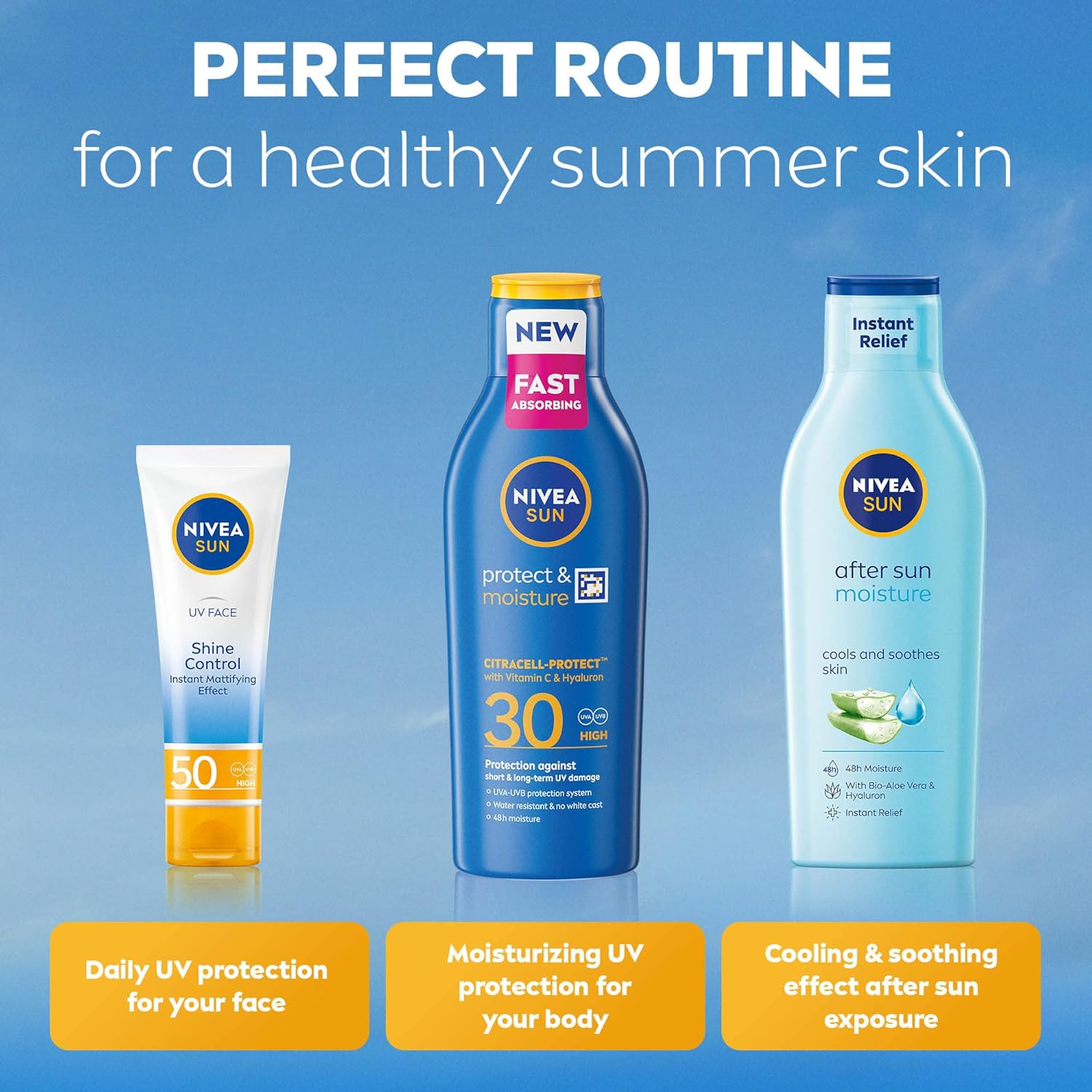
The NIVEA SUN range is wide, and this lotion sits in the middle of the hierarchy. Above it you'll find the Kids roll-on, the specialist face-only formulas, the dark tinted options, and the spray version that reviewer Paul (who preferred sprays) and Sandra ("Spray is better") switched back to. Below it, the lower factor 15 and 20 variants for those chasing a deeper tan at higher UV risk.
For the body-care use case (beach, garden, light exercise), the 200ml lotion at £3.60 is the sweet spot. The spray equivalent typically costs £6.50-£8.00 for the same volume on Amazon, and the face-specific products run £8-£12 for half the quantity. Unless you specifically need the spray's faster application (useful for squirming children, less useful for even adult coverage), the lotion is the value pick.
Against supermarket own-brand SPF 30 (Boots Soltan, Tesco, Sainsbury's), this NIVEA is within 50p per 100ml on most weeks, sometimes cheaper. What you gain is the ocean-respect formula, the Vitamin C and Hyaluron enrichment, and the brand trust that got reviewer Sam90 to write: "I always use this brand because I know where I stand."
Who Should Buy This (and Who Shouldn't)
Buy it if: you want reliable factor 30 protection for beach holidays, garden days, or regular outdoor activity. If you have fair to medium skin and dislike the heavy feel of premium mineral SPFs. If you want an ocean-friendly formula without paying specialist reef-safe prices. If you're packing for a family and need something that works for adults and children (multiple reviewers use it on kids with no issues). If you have sensitive skin: Brucemum, Ali D, and several others specifically praised its gentleness.
Skip it if: you have deep skin and can't tolerate any white cast (the Titanium Dioxide will show). If you've had reactions to chemical filters before (check the ingredient list against your known triggers). If you need true sport-level water resistance for long swimming sessions, in which case a dedicated sport SPF 50 will serve you better.
For the 80 out of 100 reviewers who gave this five stars, the formula just works. Hobbit summed it up concisely: "Works well. Nice smell." Thebigpanda: "We all know the great quality of NIVEA skincare products and this is no exception."
At £3.60 for 200ml, this is the most affordable way to get a trusted high-street-brand SPF 30 in the UK right now, and the Amazon #1 Best Seller badge reflects that. The one watchout (check the expiry date on arrival, photograph any packaging damage before opening) is a small tax to pay for the saving over shop prices.
NIVEA SUN Protect & Moisture Sun Lotion SPF 30 (200ml)
Water-resistant SPF 30 with CITRACELL-PROTECT Vitamin C and Hyaluron. 48-hour moisture, ocean-respect formula, non-greasy finish. The #1 Amazon Best Seller in Body Sunscreens.