
Can You Use Niacinamide and Vitamin C Together?
Published 16 June 2026
Yes, you can use niacinamide and vitamin C together. Here is why the old myth is wrong and exactly how to layer them in a UK skincare routine.
We earn commission from qualifying Amazon purchases. It costs you nothing and does not affect what we recommend.

Quick Answer
Yes, you can use niacinamide and vitamin C together, and most dermatologists now recommend it. The old idea that they cancel out or turn skin red comes from 1960s lab tests using unstable raw ingredients at high heat, not the stable, modern serums you actually buy. Apply them thinnest to thickest, finish with SPF in the morning, and you get brighter, more even, better-protected skin.
You have probably seen the warning passed around skincare forums: never use niacinamide and vitamin C together because they cancel each other out, or worse, react to flush your skin red. It sounds convincing, and it stops a lot of people pairing two of the most useful ingredients in their bathroom cabinet.
Here is the short version: that warning is out of date. The combination is not only safe, it is one of the most effective pairings for brightening, evening skin tone, and protecting against daily UV and pollution. Below we explain where the myth came from, the small grain of truth buried inside it, and the exact order to apply each product so you actually get the benefits.
Do They Cancel Each Other Out? Blame a 1960s Lab Study
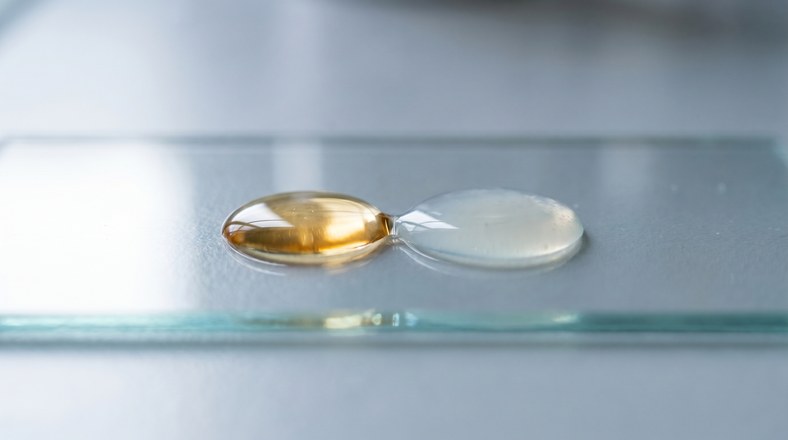
No. They do not cancel out, and they do not turn your skin red under normal use. The fear traces back to laboratory studies from the 1960s that mixed raw, non-stabilised niacinamide and pure vitamin C (L-ascorbic acid) and heated them for a long time. Under those conditions some niacinamide converts to nicotinic acid (niacin), which can cause a temporary flush. The key detail everyone leaves out is the temperature involved is far higher and far longer than anything that happens on your face or even a serum left in a warm bathroom.
There is a genuine bit of chemistry behind the rumour, and it is worth understanding so you can stop worrying about it:
- The pH point: pure vitamin C works best at a low, acidic pH of around 3 to 3.5, while niacinamide prefers a near-neutral pH above 5. Sceptics argued that layering them drags each one out of its happy zone.
- Why it does not matter in practice: modern serums are formulated and stabilised to hold their own pH on skin. Your skin also buffers back to its natural pH within minutes, so a brief overlap does not destroy either ingredient.
- It only ever applied to pure vitamin C: gentler derivatives such as magnesium ascorbyl phosphate (MAP), sodium ascorbyl phosphate and ascorbyl glucoside are stable at higher pH and were never part of the concern at all.
The payoff for using them together is real. Vitamin C is a daytime antioxidant that fades dark spots and supports collagen; niacinamide (vitamin B3) calms redness, strengthens the skin barrier, refines pores and softens its own type of pigmentation. Niacinamide also takes the edge off any tingle from a fresh vitamin C serum, so the pair is often more comfortable than vitamin C alone. A budget classic like The Ordinary Niacinamide 10% + Zinc 1% sits happily under or over a vitamin C serum such as Garnier Vitamin C Serum with no special trick required.
 Featured
15% OFF*Limited offer
One Sunday. A week of food, sorted.
23 high-protein recipes, cycle-synced for women who lift.
23 recipes · 60-page PDF · Instant download
£19.20 £16.32
See it on Etsy*Seller's discount on Etsy - may end at any time.
Layering Order: Thinnest to Thickest, Then Sunscreen
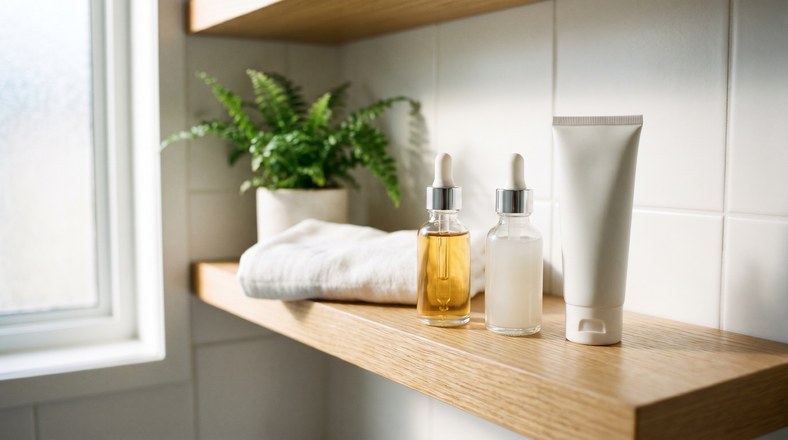
Forget the old advice about waiting 15 minutes between them; you do not need to let one dry down before the next. The only rule that matters is to apply products from thinnest to thickest consistency, then seal everything with sunscreen in the morning. Here is a simple, reliable routine.
- Cleanse and pat almost dry. Skin can be slightly damp but not dripping, which helps thin serums spread.
- Apply vitamin C first in the morning. A few drops of a lightweight serum like Garnier Vitamin C Serum across the face. Vitamin C earns its place in the daytime because it backs up your sunscreen against UV and pollution.
- Layer niacinamide next. A pea-sized amount of The Ordinary Niacinamide 10% + Zinc 1% pressed in straight after. No waiting needed. If you find 10% niacinamide a touch much daily, drop to every other day and build up.
- Moisturise. A simple, non-fragranced cream over the top to lock both in.
- Finish with SPF every morning, no exceptions. Vitamin C and SPF are a team; the antioxidant mops up the free radicals sunscreen does not block. A broad-spectrum SPF 50 moisturiser such as CeraVe AM means one less step and full daytime protection.
Splitting them across the day
You do not have to use both at once. A popular UK-friendly approach is vitamin C in the morning for protection and niacinamide at night to calm and rebuild the barrier while you sleep. Both routines work; pick whichever you will stick to.
If your skin is sensitive
Start with the lower-strength options, introduce one new active at a time over a week or two, and patch test on the jaw first. Genuine flushing is rare with modern formulas, but if it happens, separate the two ingredients into morning and evening rather than abandoning either.
Frequently Asked Questions
What goes first, vitamin C or niacinamide?
Apply the thinner product first, which is usually vitamin C, then layer niacinamide on top. The order is decided by texture rather than any chemical reaction, so if your niacinamide is the runnier of the two, that one can go first.
How long should you wait between vitamin C and niacinamide?
You do not need to wait. Applying one straight after the other does not reduce how well either absorbs or works. The old 10 to 15 minute waiting rule is unnecessary for this pairing.
Can you use niacinamide, vitamin C and hyaluronic acid together?
Yes. A common order is vitamin C, then niacinamide, then a hyaluronic acid serum, then moisturiser. Hyaluronic acid draws in water and pairs comfortably with both actives, so the three work well in one routine.
Should I use niacinamide and vitamin C in the morning or at night?
Either works. Many people use vitamin C in the morning so it can support their sunscreen, and niacinamide at night to calm and repair. Using both together in the morning is also fine, as long as you finish with SPF.
Related Reading
- The Ordinary Niacinamide 10% + Zinc 1% review
- Garnier Vitamin C Serum review
- CeraVe AM Moisturising Lotion SPF 50 review
- Snail Mucin and Hyaluronic Acid: Which Goes First? (The Order That Actually Hydrates)
- Do You Put Sunscreen On Before or After Moisturiser? (The Order That Actually Protects You)
Disclaimer: This article contains Amazon affiliate links. We may earn a small commission from qualifying purchases at no extra cost to you.