
Do You Put Sunscreen On Before or After Moisturiser? (The Order That Actually Protects You)
Published 14 June 2026
Sunscreen goes after moisturiser, as the final step of your morning routine. Here is the exact order, how long to wait between layers, why mixing the two weakens your protection, and where SPF moisturiser hybrids fit in.
We earn commission from qualifying Amazon purchases. It costs you nothing and does not affect what we recommend.
Quick Answer
You put sunscreen on after moisturiser. Sunscreen is the last skincare step in the morning, applied over your moisturiser and before makeup. Wait one to two minutes for moisturiser to absorb so you do not dilute the SPF film. The one exception is an SPF moisturiser that does both jobs in a single layer.
- The Correct Order: Moisturiser First, Then Sunscreen
- How Long to Wait Between Moisturiser and SPF
- Why You Should Not Mix Sunscreen Into Moisturiser
- SPF Moisturiser Hybrids: When One Step Replaces Two
- Standalone SPF That Goes Last, Over Everything
- Common Mistakes That Quietly Lower Your Protection
- Frequently Asked Questions
- Related Reading
The Correct Order: Moisturiser First, Then Sunscreen
The short version: do you put sunscreen on before or after moisturiser? After. Cleanser, then any serum, then moisturiser, then sunscreen as the final skincare layer, with makeup on top if you wear it.
The reason comes down to what each product is doing. Moisturiser sits in and just under the surface of your skin to soften it and lock in water. Sunscreen works differently: most of its UV filters need to form an even film across the very top of your skin to block and absorb rays.
If you apply moisturiser over sunscreen, you drag a fresh layer through that protective film and break it up. So moisturiser goes under, sunscreen goes on top, every single morning. This answers the most common version of the question, should I apply moisturiser or sunscreen first, in one line: moisturiser first.
Should you apply sunscreen or moisturiser first?
Moisturiser first, then sunscreen. Treat SPF as the last thing you do before makeup, not something you slot in halfway through. If you use a vitamin C serum or an eye cream, those go on before your moisturiser, keeping sunscreen firmly at the end. That order also answers where does SPF go in your skincare routine: right at the finish.
 Featured
15% OFF*Limited offer
One Sunday. A week of food, sorted.
23 high-protein recipes, cycle-synced for women who lift.
23 recipes · 60-page PDF · Instant download
£19.20 £16.32
See it on Etsy*Seller's discount on Etsy - may end at any time.
How Long to Wait Between Moisturiser and SPF
Give your moisturiser about one to two minutes to sink in before you apply sunscreen. You are waiting for the surface to feel dry to the touch rather than wet or tacky.
This pause matters more than people expect. Layer sunscreen onto skin that is still slick and the two products can pill, rolling into little flakes that you then wipe away along with your protection. A brief wait lets each layer set so the SPF spreads into a smooth, even film.
How long should you wait between moisturiser and SPF?
One to two minutes is plenty for the moisturiser step. You do not need to stand around for ten minutes. A separate timing rule is worth knowing too: sunscreen itself needs roughly 15 minutes to bind to the skin before sun exposure, so apply it before you leave the house, not in the car.
Why You Should Not Mix Sunscreen Into Moisturiser
It is tempting to blend a blob of sunscreen and a blob of moisturiser in your palm to save a step. Avoid it. The SPF number on any sunscreen comes from testing it at a set thickness, applied on its own.
When you mix it with moisturiser, you spread those same UV filters across a larger volume, so the film on your face ends up thinner than tested. The protection you actually get drops, sometimes well below the figure on the label, and there is no way to know by how much.
Apply them as two distinct layers instead. If you really want one product, pick a moisturiser that already contains SPF and was formulated and tested as a single unit, which is a different thing from a kitchen-counter mix.
Can you mix sunscreen with moisturiser?
Not in your palm, no. Diluting sunscreen lowers the real-world SPF because the filters are spread too thin. Use them as separate layers, or buy a purpose-made SPF moisturiser hybrid so the protection is built in at the right level.
SPF Moisturiser Hybrids: When One Step Replaces Two
A moisturiser with built-in SPF collapses two steps into one. For a lot of people, especially anyone short on time in the morning, it replaces the separate moisturiser entirely. There is no layering order to worry about because hydration and protection are in the same bottle.
The catch is the amount. A hybrid only delivers its labelled SPF if you apply a full, generous dose, the same two fingers' worth or quarter-teaspoon you would use for a standalone sunscreen. A thin smear that feels like "just moisturiser" will not protect you properly, and this is where most hybrids let people down.
A worked example: do you still need a separate moisturiser?
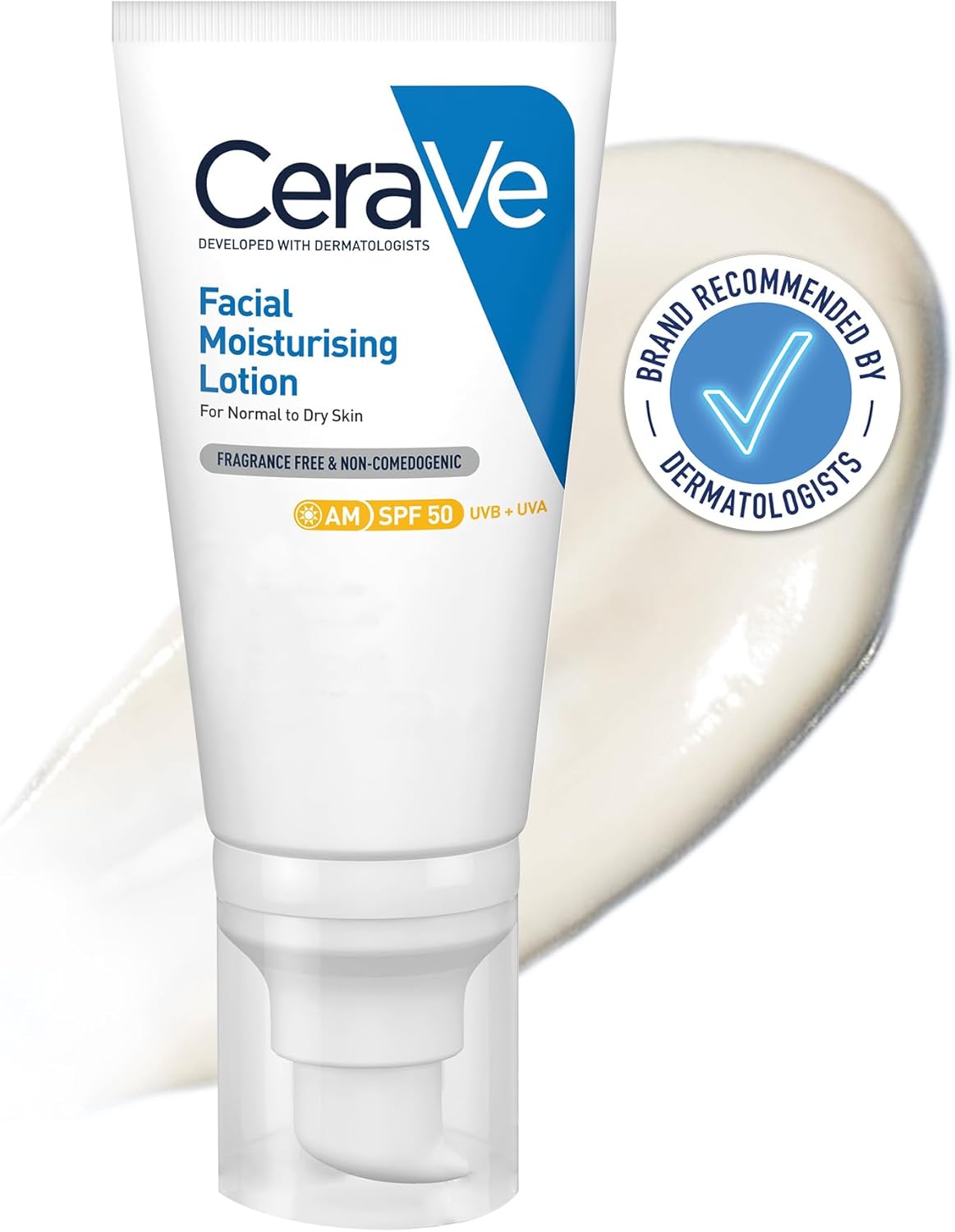
The CeraVe AM Facial Moisturising Lotion SPF 50 is the clearest example of a hybrid doing both jobs. It pairs SPF 50 with ceramides, niacinamide and hyaluronic acid, so reviewers with normal to dry skin use it as their only morning moisturiser and skip a dedicated SPF on top. Several note that two pumps cover the whole face, neck, ears and chest, which is the kind of generous amount that actually hits the labelled protection.
Reviewers describe it as lightweight, fast-absorbing and a genuine time-saver, with many calling it a "two-in-one" that simplifies the routine. Honest notes worth knowing: some find it leaves a slight sheen or a thin layer you can feel, oilier skin types occasionally find it too rich, and a few deeper skin tones report a faint white cast unless it is worked in well. If your skin is very dry you can still add a light hydrating layer underneath, then apply this generously over it.
Standalone SPF That Goes Last, Over Everything
If you prefer a separate moisturiser, or you want the highest protection you can get, a standalone facial sunscreen is the way to go. The rule is simple and never changes: it goes on last, over your moisturiser, after you have given that layer a minute to absorb.
Modern facial SPFs are nothing like the thick beach creams of the past. The best ones feel light enough that layering them over moisturiser is effortless and invisible.
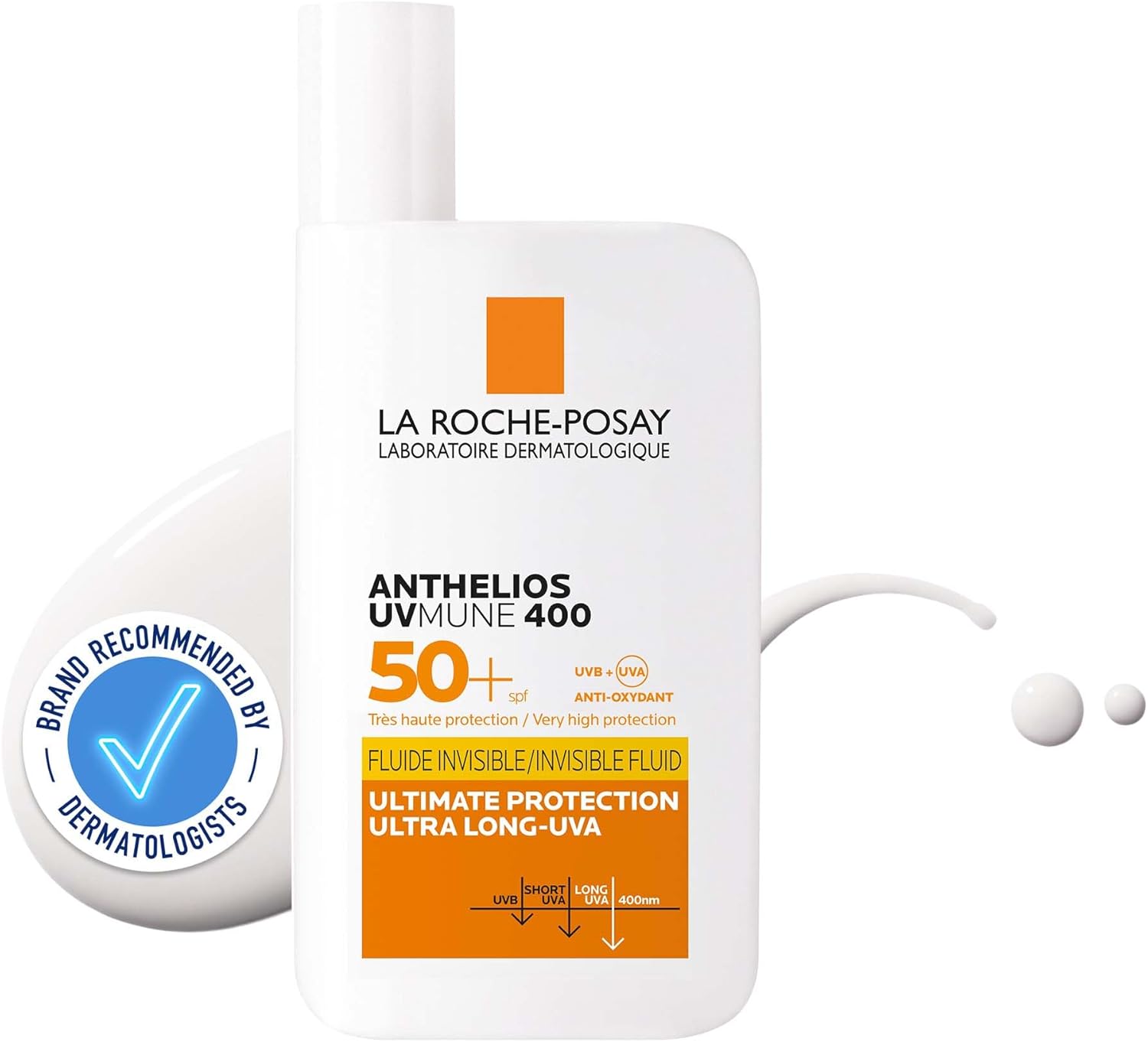
The La Roche-Posay Anthelios UVmune 400 SPF50+ is our pick when protection is the priority. Reviewers describe a very runny, milk-like fluid that absorbs almost instantly and leaves no white cast, which is exactly what you want sitting on top of your other products. Many specifically say it "works nicely under moisturiser and makeup" and does not pill, so it slots in as the final step without disturbing what is underneath.
People with sensitive, reactive and breakout-prone skin repurchase it for years, and it held up for reviewers through intense sun on holiday with once-a-day use. Two practical notes from our data: shake it before use because the watery formula can settle, and dispense carefully since the fluid is thin enough to run. At around £16 to £20 for 50ml it is a premium choice, but it is the one people reach for when they want serious, comfortable, everyday protection.
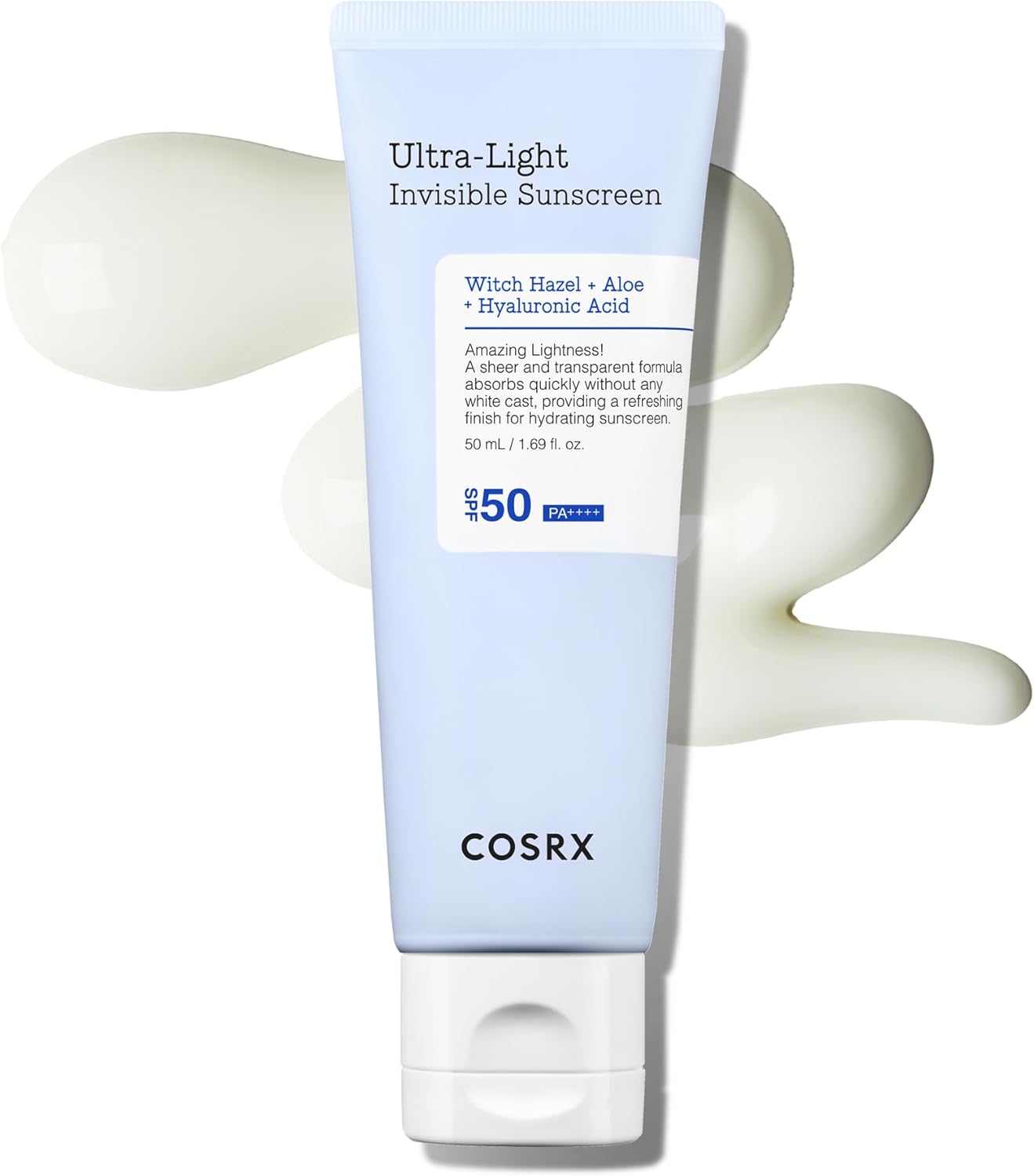
For a lighter, budget-friendly option that layers just as cleanly, the COSRX Ultra-Light Invisible Sunscreen SPF 50 is a reviewer favourite at around £11. It is an ultra-light, watery Korean SPF with witch hazel and aloe, and the most repeated phrases in the reviews are "no white cast" and that it "goes well over my moisturiser and under my foundation". Several people give the exact layering order they use: essence, moisturiser, then this sunscreen, then makeup.
It suits oily and combination skin especially well, leaving a soft, slightly dewy finish that reviewers say feels like skincare rather than sun cream. The honest caveat: under heavier makeup some reviewers find it can pill if you touch your face later in the day, so it shines most on bare or lightly made-up skin. As with any SPF, apply a full layer rather than a token amount.
Common Mistakes That Quietly Lower Your Protection
Getting the order right is half the job. These slips are the ones that catch people out even when the order is correct.
Using too little. Most people apply a fraction of what the SPF was tested with. Aim for two fingers' worth or a quarter-teaspoon for face and neck, whether it is a standalone sunscreen or an SPF moisturiser.
Skipping the wait. Rushing SPF onto damp moisturiser is the main cause of pilling. A one to two minute pause fixes it.
Treating SPF in foundation as enough. The SPF in a tinted base or BB cream is real, but you almost never apply enough of it to reach that number, so keep your dedicated sunscreen step.
Forgetting to reapply. One morning application does not last all day, particularly in summer sun or after sweating. Reapplying over makeup is its own skill, and worth learning if you wear a full face.
One honest limit: if your skin reacts badly to a product, stings, breaks out or swells, stop using it and speak to a pharmacist or GP rather than pushing through. A handful of reviewers across these products had sensitivity reactions, which is always individual.
Frequently Asked Questions
Should you apply sunscreen or moisturiser first?
Moisturiser first, then sunscreen. Hydrate your skin, give it a minute or two to absorb, then apply a separate SPF as the final skincare step before makeup. Sunscreen needs to sit on top as an even film, so anything layered over it can disturb that protective layer.
How long should you wait between moisturiser and SPF?
Wait about one to two minutes, or until your moisturiser feels dry to the touch rather than wet or tacky. Applying sunscreen onto skin that is still slick can thin the film and cause pilling, where the products roll into little flakes. A short pause is usually enough; you do not need to wait ten minutes.
Can you mix sunscreen with moisturiser?
It is best not to mix them in your palm. Diluting sunscreen with moisturiser spreads the UV filters thinner than the bottle was tested at, which lowers the real protection you get. Apply them as two separate layers, or choose a single SPF moisturiser that is formulated and tested as one product.
Does moisturiser go under or over SPF?
Moisturiser goes under SPF. Your hydrating layers (serum, then moisturiser) sit closest to the skin, and sunscreen goes on top as the last step. The only exception is an SPF moisturiser hybrid, which combines both jobs into one layer so there is nothing to put under or over.
Do you still need moisturiser if your SPF has one?
Usually no. A moisturiser with built-in SPF, like the CeraVe AM lotion, is designed to replace your separate moisturiser, so applying it generously covers both hydration and protection in one step. If your skin is very dry you can add a light hydrating layer first, then apply the SPF moisturiser over it.
How much sunscreen should you use on your face?
Use roughly two fingers' worth, or about a quarter of a teaspoon, for your face and neck. Most people apply far too little, which is the single biggest reason real-world protection falls short of the SPF on the label. With an SPF moisturiser the same rule applies: a thin smear will not give you the protection printed on the tube.