
Micellar Water vs Cleansing Balm: Best for Makeup Removal?
Published 20 August 2026
Cleansing balms dissolve waterproof mascara, long-wear foundation and SPF; micellar water is faster and gentler on light makeup days. Here is how to pick the right one for your skin, plus the tested cleansers we would pair with each.
We earn commission from qualifying Amazon purchases. It costs you nothing and does not affect what we recommend.
Quick Answer
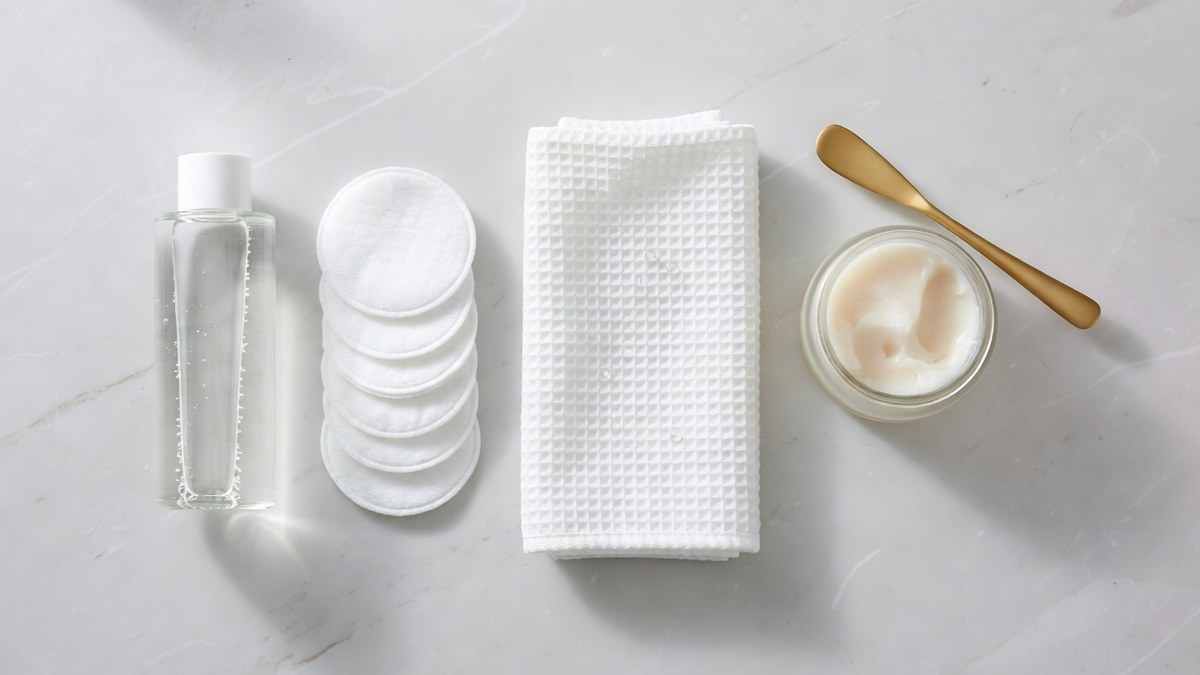
For a full face of long-wear makeup, waterproof mascara or daily SPF, a cleansing balm is the stronger remover: its oils dissolve the waxes and film-formers that micellar water can only rub at. Micellar water wins on light makeup days and for sensitive skin, with no rinsing and no scrubbing needed. Most UK routines end up using both: a balm as the evening first cleanse, micellar water for mornings, touch-ups and low-makeup days.
- What Each One Actually Removes
- Waterproof Mascara, Long-Wear Makeup and SPF: the Deciders
- Sensitive Skin, Eczema-Prone Skin and Contact Lenses
- Buying a Cleansing Balm: What to Look For
- The Second Cleanse: Do You Need One After Each?
- Hard Water, Cotton Pads and Which One to Buy
- Frequently Asked Questions
- Related Reading
Micellar water and cleansing balms sit at opposite ends of the makeup removal spectrum. One is a featherweight liquid you sweep off with a cotton pad and, on most nights, do not even rinse. The other is a solid pot of oils that melts over foundation and mascara, turns milky under warm water and rinses away with a flannel. Both are sold as the answer to the same evening chore, which is exactly why so many UK shoppers stand in the cleansing aisle unsure which to pick.
The honest answer is that they are not interchangeable. What you wear on your face decides the winner: a swipe of tinted moisturiser makes very different demands to transfer-proof foundation, waterproof mascara and a proper layer of SPF 50. This guide breaks down what each formula actually dissolves, where each one struggles, what to look for if you are buying a balm, and how to build a routine around the removers and cleansers we have tested and reviewed.
What Each One Actually Removes
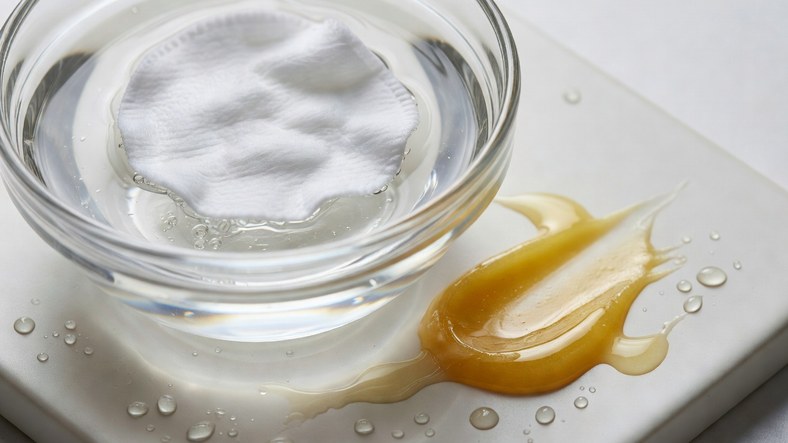
Micellar water is purified water carrying millions of micelles: microscopic clusters of mild surfactant molecules. Each micelle has an oil-attracting core and a water-loving shell, so as a soaked cotton pad glides over your face, the cores grab sebum, sweat, light foundation, concealer and everyday grime while the watery base keeps it all suspended on the pad. Because the surfactants are mild and diluted, there is no lather, no scrubbing and, for most skin, no need to rinse. That gentleness is the whole appeal, and it is why the format has become a staple for sensitive skin.
A cleansing balm works on the opposite principle: like dissolves like. It is a solid blend of oils, esters and emulsifiers that melts into an oil as you massage it over a dry face. The oil phase dissolves the waxes, silicones and film-forming polymers that make long-wear makeup and sunscreen stay put. Add a splash of warm water and the emulsifiers turn that oil into a thin milk that rinses off, carrying the dissolved makeup with it.
In practice, that means:
- Micellar water handles light to medium makeup, sebum and daily grime with almost no friction. We rate Garnier Micellar Water as the dependable UK staple here, and a large bottle lasts months of twice-daily use.
- A balm dissolves the heavy, waterproof and transfer-proof formulas that micellar water can only drag at, but it needs warm water and a proper rinse to finish the job.
 Featured
15% OFF*Limited offer
One Sunday. A week of food, sorted.
23 high-protein recipes, cycle-synced for women who lift.
23 recipes · 60-page PDF · Instant download
£19.20 £16.32
See it on Etsy*Seller's discount on Etsy - may end at any time.
Waterproof Mascara, Long-Wear Makeup and SPF: the Deciders
Three things separate the two formats fast: waterproof eye makeup, transfer-proof base products and sunscreen.
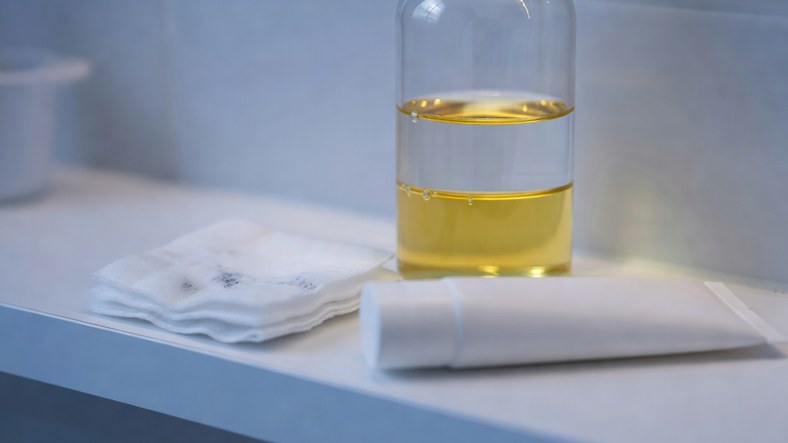
Waterproof mascara is built from waxes and film-formers designed to shrug off water, which is exactly what micellar water mostly is. Swiping harder does not dissolve the film, it just tugs at lashes and the thin skin around the eye, and repeated rubbing is how lashes snap and lids end up red. Oils break the film down instead. A dedicated bi-phase remover, which pairs an oil layer with a water layer you shake together, is the kindest tool for eyes: soak a pad, press it onto closed lashes for ten to fifteen seconds, then wipe downwards in one slow stroke. NIVEA Double Effect is the bi-phase remover we have tested, and it shifts stubborn mascara without the sting or the greasy blur.
Long-wear and transfer-proof foundations lean on similar polymer technology, so the same logic applies across the whole face. A balm massaged into dry skin for thirty to sixty seconds dissolves them evenly; micellar water tends to take several pads and still leaves traces along the hairline and jaw.
Sunscreen is the case most people miss. A proper application of SPF, especially a water-resistant or mineral formula built on zinc oxide or titanium dioxide, is engineered to cling. An oil-phase cleanse shifts it far more reliably than micelles alone, which matters through a British summer when you should be wearing a generous layer every day. If you wear SPF daily but a balm does not appeal, treat micellar water as step one and follow it with a rinse-off cleanser rather than calling one swipe done.
Sensitive Skin, Eczema-Prone Skin and Contact Lenses
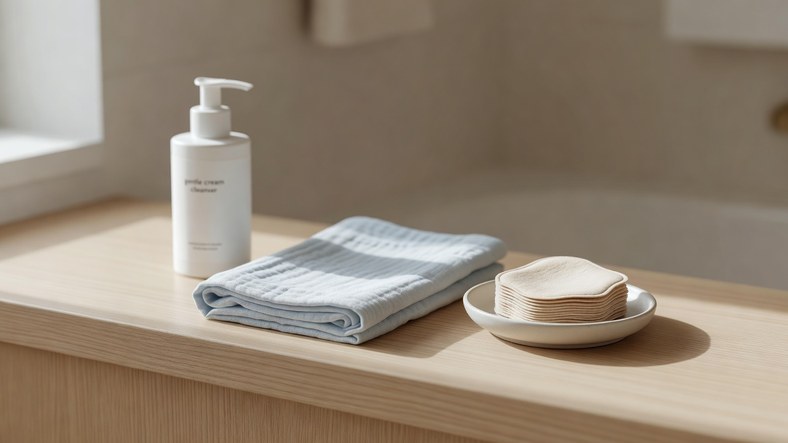
Gentleness is where the comparison gets personal. Micellar water is usually the safer starting point for reactive skin because there is no massaging, no foam and no hot water involved. Choose a fragrance-free, alcohol-free formula, use a soft lint-free pad and let the pad rest on the skin for a few seconds before each pass, so the micelles do the work instead of your wrist.
Balms are often marketed as pampering, but they are not automatically gentle. Many rely on fragrance and essential oils for that spa feel, and those are two of the most common triggers for eczema-prone and easily flushed skin. The massage itself is friction, the emulsifying stage involves warm water, and any residue left behind sits on a compromised skin barrier all night. If your skin is eczema-prone, a fragrance-free micellar water or a bland cream cleanser is the lower-risk route, and anything new deserves a patch test behind the ear or on the inner forearm for a few days first.
Contact lens wearers have one extra rule: take lenses out before any oil-based remover goes near your eyes. Oil films cling to soft lenses and leave vision smeary for hours. With lenses out, a bi-phase remover or balm is fine; with lenses in, stick to micellar water on the face and keep it away from the waterline.
A gentle rinse-off alternative
If your skin protests at both formats, a hydrating cream cleanser used with a warm flannel removes light makeup without stripping. CeraVe Hydrating Cleanser is the fragrance-free option we have reviewed for exactly this job: it cleanses with ceramides and hyaluronic acid rather than a heavy surfactant load, so dry and sensitive skin does not feel tight afterwards.
Buying a Cleansing Balm: What to Look For
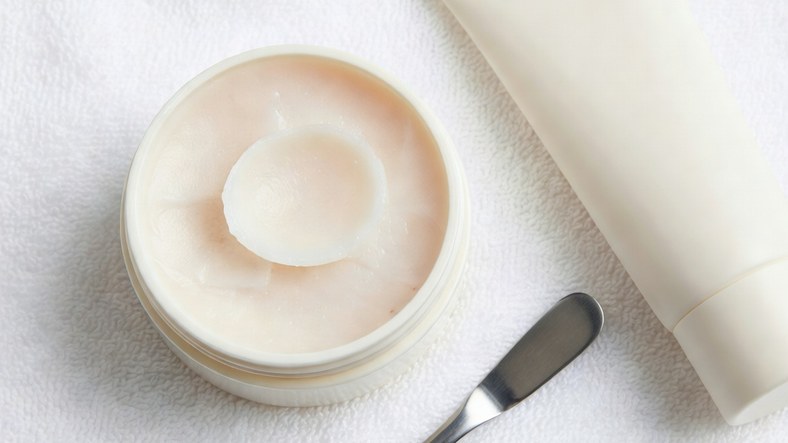
We have not tested a cleansing balm yet, so rather than pretend otherwise, here are the buying criteria we would use, based on how the format works and where it goes wrong. The balm advice in this guide is exactly that: criteria, not a specific pick.
- Emulsifier quality is everything. A good balm turns fully milky the moment water hits it and rinses to nothing. A poor one stays greasy, clings to the hairline and leaves a film that can clog pores overnight. Reviews that mention a waxy cast in the morning or endless flannel scrubbing are describing weak emulsification.
- Check where fragrance sits in the ingredients list. Essential oils high up the list make for a lovely-smelling jar and a bad time for reactive skin and eyes. Fragrance-free and lightly scented options exist at every level of the market.
- Jar versus tube. Jars look luxurious, but you scoop from them with fingers, and wet bathroom fingers introduce water and microbes to an oil base. If you choose a jar, use the spatula and keep the lid dry; a tube stays cleaner for longer and travels without mess.
- Watch how it behaves around eyes. Some balms are tested for use over eye makeup, others sting or leave a blur across your vision. If waterproof mascara is your main event, a balm plus a bi-phase eye remover beats forcing one product to do both jobs.
- Texture matters less than the marketing says. Sherbet, sorbet and butter textures all melt to oil. Pick on ingredients and rinse-off behaviour, not on how it photographs.
On cost, a balm jar looks small next to a big bottle of micellar water, but a cherry-sized scoop is one cleanse, so a jar lasts longer than it looks. Micellar water still wins on cost per use; a balm buys dissolving power, not economy.
The Second Cleanse: Do You Need One After Each?
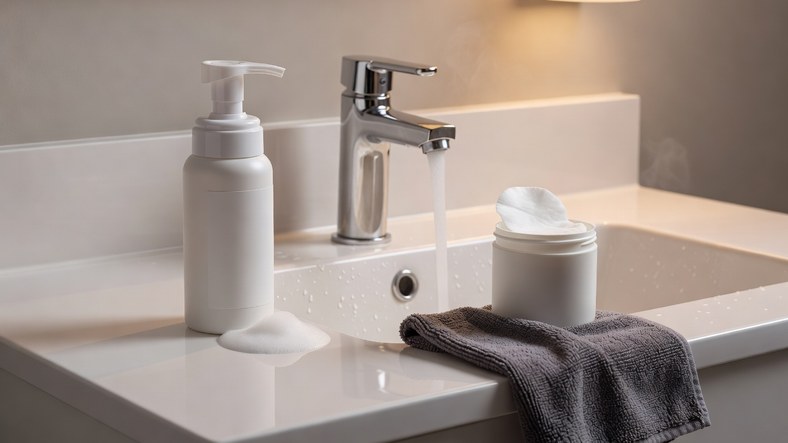
Neither product has to be your only step, and at night one of them usually should not be.
After a balm, the answer is simple. The balm is the first cleanse: it dissolves makeup and SPF, then a water-based cleanser follows to clear the leftover oil and actually wash the skin. That two-step order, oil first and water second, is the whole logic of double cleansing. Skipping the second step on oily or blemish-prone skin is how balm residue ends up blamed for breakouts.
After micellar water, it depends on the day. On a bare-faced or light-makeup day, micellar water alone is a legitimate cleanse, morning or night. On a day with a full base, SPF or a long evening out, treat the pad as stage one and follow with a rinse-off cleanser matched to your skin:
- Normal to dry skin does best with the hydrating cream cleanser covered above, used with warm water and a flannel.
- Oily and combination skin suits a foaming gel that clears excess oil without a squeaky-tight finish. CeraVe Foaming Cleanser is our tested pick, with niacinamide working alongside the ceramides.
- Blemish-prone skin can make the second cleanse do treatment work. CeraVe Blemish Control Cleanser adds salicylic acid to keep pores clear while it lifts the last of the day away.
Two or three evenings a week, after cleansing, a gentle exfoliating pad sweeps off any lingering film and the dead-cell buildup that makes skin look grey. Medicube Zero Pore Pads pair a low-strength AHA and BHA on a dual-textured pad, which is an easy way to do this without adding another bottle to the shelf. Mornings stay simple either way: one gentle cleanse, or just micellar water, is plenty.
Hard Water, Cotton Pads and Which One to Buy
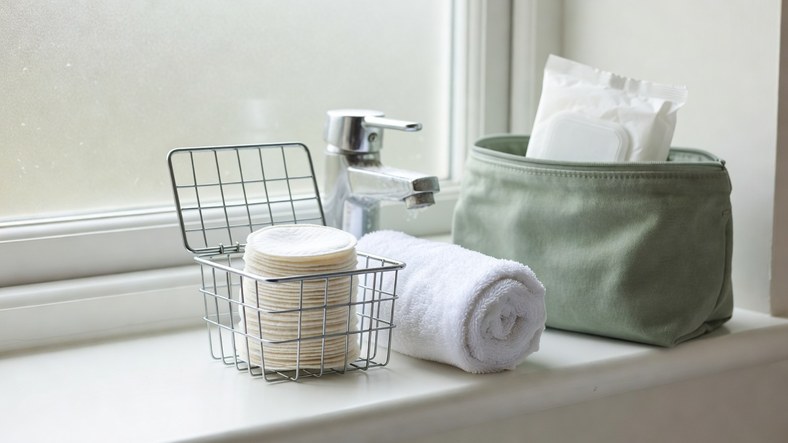
Two UK-specific practicalities tip the scales more than most product pages admit.
Hard water changes the experience
Much of southern and eastern England has hard water, and hard water makes rinsing less forgiving: cleansers rinse away less cleanly, skin feels tighter afterwards, and a poorly emulsifying balm is far more likely to leave a film. If you live in a hard-water area and want a balm, rinse with a warm, damp flannel rather than splashed water alone, and be extra fussy about how well the balm emulsifies. Micellar water sidesteps the tap entirely, which is a quiet reason it does so well in hard-water cities: nothing needs to rinse, so your water quality never enters the equation.
The cotton pad problem
Micellar water's running cost is not the liquid, it is the pads. A full face can take three or four single-use cotton pads, every night, which adds up in both money and landfill. Reusable bamboo or microfibre pads fix most of that: use, rinse, machine wash in a mesh bag, repeat. A balm needs no pads at all, just a flannel that goes in the wash, which makes it the lower-waste option once you own a few flannels and rotate them so each gets washed after a couple of uses.
Wipes are the travel exception
Face wipes have earned their reputation as a poor daily remover: too much rubbing, too much residue, too much bin. But for festivals, flights and tent weekends where running water is scarce, a pack of wipes is honest kit. NIVEA Caring 3-in-1 wipes are the ones we have reviewed, and they earn their place in a wash bag rather than on the nightstand. Bin them, never flush them.
So which should you buy?
Buy for your heaviest regular makeup day. If that day involves waterproof mascara, long-wear base or daily SPF, a well-formulated balm should do the removing and a skin-type-matched cleanser should follow it. If your normal is tinted moisturiser and brow gel, a big bottle of micellar water plus a bi-phase remover for mascara covers you with less faff. And if you are still torn, the boring truth is that the two work best as a team: balm at night, micellar water in the morning and on lazy days.
Frequently Asked Questions
Do I need to rinse micellar water off?
For most skin, no: micellar water is designed to be left on, and that convenience is half the point. Two exceptions apply. If your skin is oily or blemish-prone, a quick rinse or a follow-up cleanse stops leftover surfactants and dissolved grime sitting on the skin overnight. And if micellar water ever leaves your face stinging or tight, rinse it off and switch to a gentler, fragrance-free formula.
Can micellar water remove waterproof mascara?
Not well. Waterproof mascara is built to resist water, so a mostly water formula has to rely on rubbing, and rubbing is what breaks lashes and irritates lids. Holding a soaked pad on closed lashes for ten to fifteen seconds will shift some of it, but an oil-based balm or a bi-phase eye remover dissolves the film properly with far less friction.
Is a cleansing balm OK for oily or blemish-prone skin?
Yes, with two conditions: it must emulsify and rinse fully, and it should be followed by a water-based second cleanse. Breakouts blamed on balms usually trace back to residue left behind, not to the oil phase itself. If that ritual feels like too much, micellar water followed by a salicylic acid cleanser is a simpler route to the same clean finish.
Can I use micellar water and a cleansing balm together?
They pair well. Use the balm at night as the first cleanse to dissolve makeup and SPF, follow with your usual cleanser, then keep micellar water for mornings, light-makeup days and tidying eye makeup smudges. There is no need to use both on the same face at the same time; pick whichever one the day's makeup demands.
Related Reading
- Garnier Micellar Water review
- NIVEA Double Effect Eye Make-Up Remover review
- CeraVe Hydrating Cleanser review
- CeraVe Foaming Cleanser review
- CeraVe Blemish Control Cleanser review
- medicube Zero Pore Pads 2.0 review
- NIVEA Caring 3-in-1 Cleansing Face Wipes review
- How to Reduce Puffy Eyes in the Morning: A UK Guide
- How to Start Using Retinol Without Irritation (UK Guide)
Disclaimer: This article contains Amazon affiliate links. We may earn a small commission from qualifying purchases at no extra cost to you.