
How to Layer Skincare in the Right Order
Published 25 June 2026
A practical step-by-step guide to layering your skincare in the correct order, with AM and PM variations, timings between steps and the ingredient pairings to avoid.
We earn commission from qualifying Amazon purchases. It costs you nothing and does not affect what we recommend.
Listen to this guide
Quick Answer
Apply skincare from the thinnest texture to the thickest, on clean skin. The order is cleanser, then toner or essence, then your treatment serums, then eye care, then moisturiser, and finally SPF in the morning (or a richer cream and optional face oil at night). Leave 15 to 30 seconds between layers so each one settles before the next.
Buying good products is only half the job. If you apply them in the wrong order, the active ingredients you paid for cannot reach your skin properly, and some can even cancel each other out or trigger irritation. The fix is simple once you know the logic behind it.
The rule almost every dermatologist relies on is to work from the lightest texture to the heaviest, always starting on a freshly cleansed face and always finishing with SPF in the morning. Below is the full order, what each step is doing, how long to wait between layers, and how your morning and evening routines should differ. It works for every skin type, whether you run a three-step routine or a ten-step one.
Step 1: Cleanse
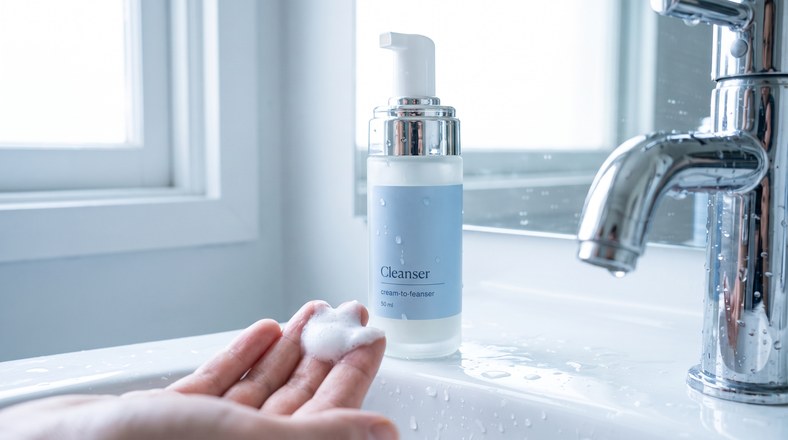
Everything else fails if your skin is not clean, so cleansing is always first, morning and night. A clean surface lets your serums and moisturiser absorb instead of sitting on top of oil, sunscreen and the day's grime.
In the morning, a single gentle cleanse is plenty. In the evening, if you have worn makeup or SPF, double cleanse: start with a micellar water or oil-based cleanser to break down makeup and sunscreen, then follow with a water-based cleanser to clear what is left.
- Use lukewarm water, not hot, which can strip and irritate the skin barrier.
- Massage for 30 to 60 seconds rather than a quick splash.
- If your skin feels tight and squeaky after, the cleanser is too harsh - switch to a hydrating formula.
 Featured
15% OFF*Limited offer
One Sunday. A week of food, sorted.
23 high-protein recipes, cycle-synced for women who lift.
23 recipes · 60-page PDF · Instant download
£19.20 £16.32
See it on Etsy*Seller's discount on Etsy - may end at any time.
Step 2: Tone or Use an Essence
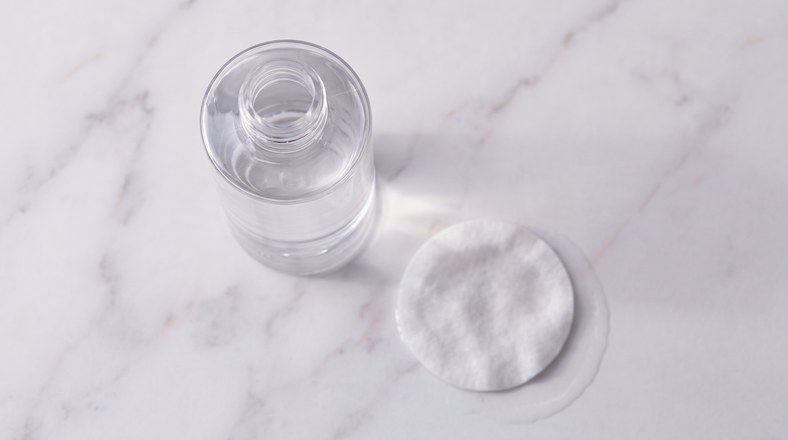
After cleansing, a toner or essence resets the skin and adds a first thin layer of hydration so the rest of your routine glides on. This is also where any liquid exfoliant goes if you use one, but never combine an exfoliating acid with vitamin C or retinol in the same routine.
Match the type to your goal:
- Hydrating toner or essence: alcohol-free, with hyaluronic acid or soothing botanicals - good for almost everyone and ideal before active serums.
- Exfoliating toner (AHA or BHA): a few nights a week only, usually in the evening. Skip it on the same night you use retinol.
Tap it in with clean hands or a cotton pad, then give it 15 to 30 seconds to dry down before the next step.
Step 3: Apply Treatment Serums
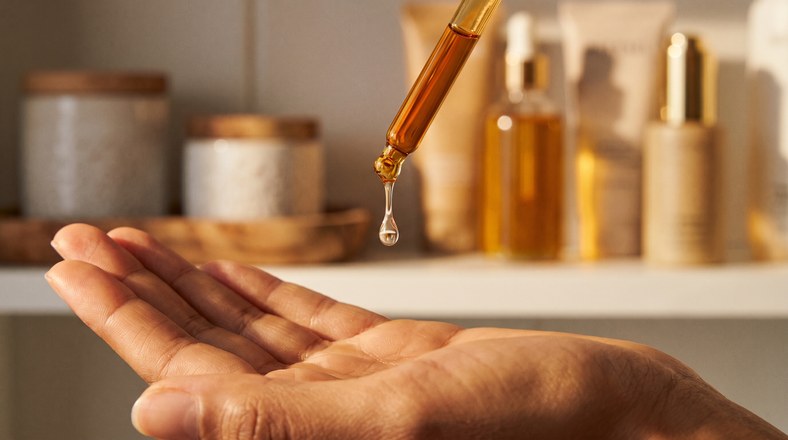
Serums are the workhorses of a routine: thin, concentrated formulas that target a specific concern and sink in fast. Because they are lightweight, they go before heavier creams so the actives sit close to the skin. If you layer more than one serum, apply the most watery first and the most gel-like last, waiting around 20 seconds between each.
Pair actives to the right time of day to avoid clashes and wasted product:
- Morning: antioxidants like vitamin C to brighten and shield against pollution, plus hydrators like hyaluronic acid.
- Evening: retinol for fine lines and texture, or a hydrating serum to support overnight repair.
- Keep vitamin C in the morning and retinol or exfoliating acids at night - using them together is a common cause of irritation.
A hyaluronic acid serum suits almost everyone and slots into either routine. Apply it to slightly damp skin so it can draw in moisture rather than pull it from your face.
Step 4: Eye Care
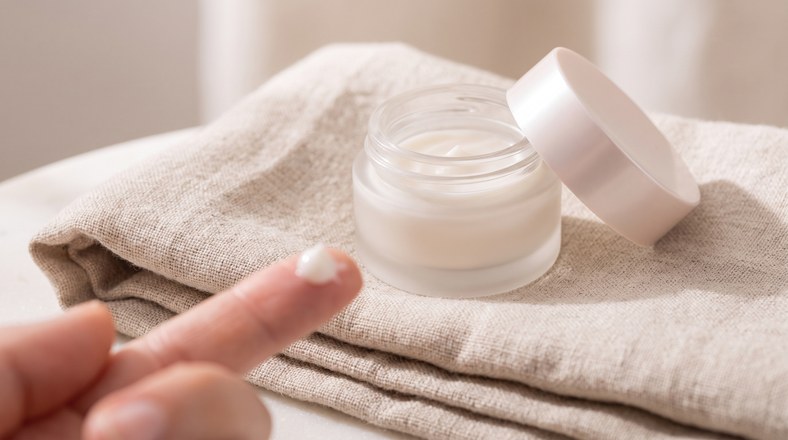
The skin around the eyes is thinner and more delicate, so it gets its own step before your face moisturiser. An eye cream or serum can help with puffiness, dark circles and early fine lines, though it will not erase them entirely.
- Use a small amount, roughly the size of a grain of rice per eye.
- Pat it gently along the orbital bone with your ring finger - never drag the skin.
- Stay clear of the lash line so the product does not creep into your eyes.
If your serum and moisturiser are fragrance-free and gentle enough for the eye area, a separate eye product is optional rather than essential.
Step 5: Moisturise
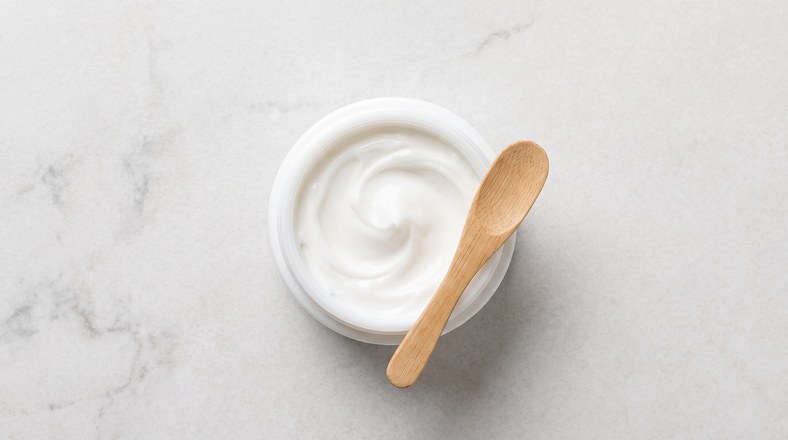
Moisturiser softens the skin and, just as importantly, locks in the lighter layers underneath. Choose the texture to your skin type and the time of day:
- Oily or combination skin: a gel or light lotion that absorbs quickly.
- Dry skin: a richer cream or balm with ceramides and glycerin.
- Morning: lighter formulas that sit well under SPF and makeup.
- Evening: a more nourishing night cream that works with your skin's overnight recovery.
Warm a small amount between clean fingers and press it in with upward strokes. If your skin is dry or you use a face oil, that occlusive oil goes after moisturiser at night to seal everything in, or before SPF in the morning.
Step 6: Finish with SPF (Mornings Only)
Sunscreen is the final step of every morning routine, full stop. Even if your moisturiser feels heavier than your SPF, the sunscreen still goes last so its protective film sits on top and is not diluted by anything applied over it. Skip it and you undo much of the work your serums are doing, since UV damage drives both ageing and pigmentation.
- Use a broad-spectrum SPF 30 or higher, every day of the year, rain or shine.
- Apply two fingers' worth for the face and neck, and let it set for a minute before makeup.
- Reapply every two hours when you are outdoors for a long stretch - a spray or powder SPF makes touch-ups over makeup easier.
A moisturiser with built-in SPF can simplify the morning, but make sure it genuinely reaches a broad-spectrum SPF 30 or above and that you apply enough of it.
Frequently Asked Questions
Do you apply serum before or after moisturiser?
Always serum first, then moisturiser. Serums are thinner and more concentrated, so they need to reach the skin directly. The moisturiser goes on top to seal those actives in.
When should I apply SPF in my routine?
SPF is the last step of your morning routine, after moisturiser. Nothing skincare-related should go on top of it, as that can dilute the protection. Makeup is the only thing that goes over sunscreen.
How long should I wait between each skincare step?
Around 15 to 30 seconds is enough for most layers to settle before the next one. After SPF, wait a little longer, closer to a minute, before applying makeup to reduce pilling.
Which skincare ingredients should not be layered together?
Avoid using vitamin C with exfoliating acids or retinol in the same routine, as this is a common cause of irritation. Keep vitamin C for the morning and save retinol and acids for the evening, on alternate nights if your skin is sensitive.
Related Reading
- CeraVe Hydrating Cleanser review
- The Ordinary Hyaluronic Acid 2% + B5 review
- CeraVe AM Moisturising Lotion SPF 50 review
- Can You Use Niacinamide and Vitamin C Together?
- Snail Mucin and Hyaluronic Acid: Which Goes First? (The Order That Actually Hydrates)
Disclaimer: This article contains Amazon affiliate links. We may earn a small commission from qualifying purchases at no extra cost to you.