
How to Make Your Makeup Last in Hot Weather (Without Wearing More of It)
Published 11 June 2026
Hot weather does not have to mean a melted face by mid-afternoon. This guide breaks down a three-step routine for makeup that lasts in the heat: a thinner base, powder only where you shine, and a setting spray to bond it all together. Every recommendation is backed by thousands of verified UK buyer reviews.
We earn commission from qualifying Amazon purchases. It costs you nothing and does not affect what we recommend.
Quick Answer
To make makeup last in hot weather, use fewer, thinner layers: a light coat of long-wear foundation, concealer only where needed, pressed powder on your T-zone, then a fine mist of setting spray to lock everything together. Touch up with blotting papers rather than more product. Heavy layers slide; thin ones grip.
- Heat Attacks From Two Directions, and a Heavy Base Gives It More to Move
- Step 1: Build a Thinner Base
- Step 2: Powder Only Where You Shine
- Step 3: Lock It Down With Setting Spray
- Setting Spray vs Setting Powder: Which Matters More?
- Touch-Ups That Do Not Add Layers
- Frequently Asked Questions
- Related Reading
Every UK heatwave produces the same scene: foundation gone patchy by lunch, concealer creased into lines, and a forehead shining back at you from every shop window. The usual response is to apply more product the next morning. That is the exact opposite of what works.
Most summer makeup tips for UK weather tell you to buy different products. This guide is mostly about technique: a sweat proof makeup routine built on three steps, with a thinner base, powder only where you need it, and a setting spray to bond the lot. The products we do recommend have all been through our full review process, drawing on thousands of verified UK buyer reviews.
Heat Attacks From Two Directions, and a Heavy Base Gives It More to Move
Heat attacks makeup from two directions at once. Warm skin produces more oil, which dissolves foundation from underneath, while sweat sits on top and physically pushes pigment around.
The more product you wear, the more material there is to move. A heavy base does not anchor itself any better than a light one; it slides as a single sheet, which is why a full-coverage face in 28 degree heat cracks at the smile lines first.
So the real answer to how to stop makeup sliding off in heat is not another layer. It is three smaller jobs done properly: keep the base thin, absorb oil only where it appears, and bond every layer together so sweat runs over the surface instead of through it. Each step below handles one of those jobs.
 Featured
15% OFF*Limited offer
One Sunday. A week of food, sorted.
23 high-protein recipes, cycle-synced for women who lift.
23 recipes · 60-page PDF · Instant download
£19.20 £16.32
See it on Etsy*Seller's discount on Etsy - may end at any time.
Step 1: Build a Thinner Base
Start with skincare that has actually finished absorbing. A light moisturiser and your SPF need a few minutes to settle before any makeup goes on, because foundation applied over still-wet sunscreen breaks apart within the hour. Several Rimmel foundation reviewers noticed exactly this clash with certain sunscreens, and the fix is simply waiting.
Then apply one thin layer of foundation with a damp sponge or your fingertips, working from the centre of the face outwards. Stop before you reach full coverage. The aim is to even out your skin tone, not to repaint it.
Is it better to wear less foundation in the heat?
Yes, and it is the single biggest change you can make. A thin layer holds on because there is less binder for oil to dissolve, and when it does eventually soften, it fades evenly rather than in patches.
Less does not mean weak, though. Hot weather is exactly when a proper long-wear formula earns its keep, applied sparingly.
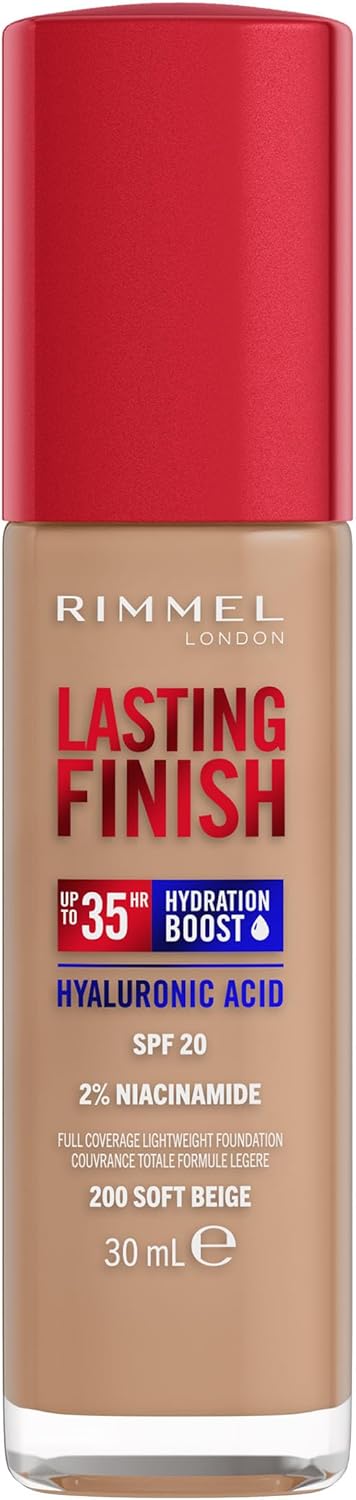
The Rimmel Lasting Finish 35HR Foundation (£7.99) is the current number one best seller in UK face foundations and suits this method well. It is a full-coverage formula with hyaluronic acid, 2% niacinamide and SPF20, yet it spreads thin without going streaky, and reviewers with normal to dry skin describe a natural, radiant finish that does not settle into lines. One 54-year-old buyer with oily-combination skin called it the best foundation she had bought in years because it never feels heavy.
One honest caveat from the reviews: very oily skin can see it slip by mid-afternoon when worn unset, so it relies on the powder and spray steps below to go the distance.
For blemishes, redness and under-eye shadows, reach for concealer instead of a second coat of foundation. A targeted dot of high-coverage product does the work of a whole extra layer at a fraction of the weight.
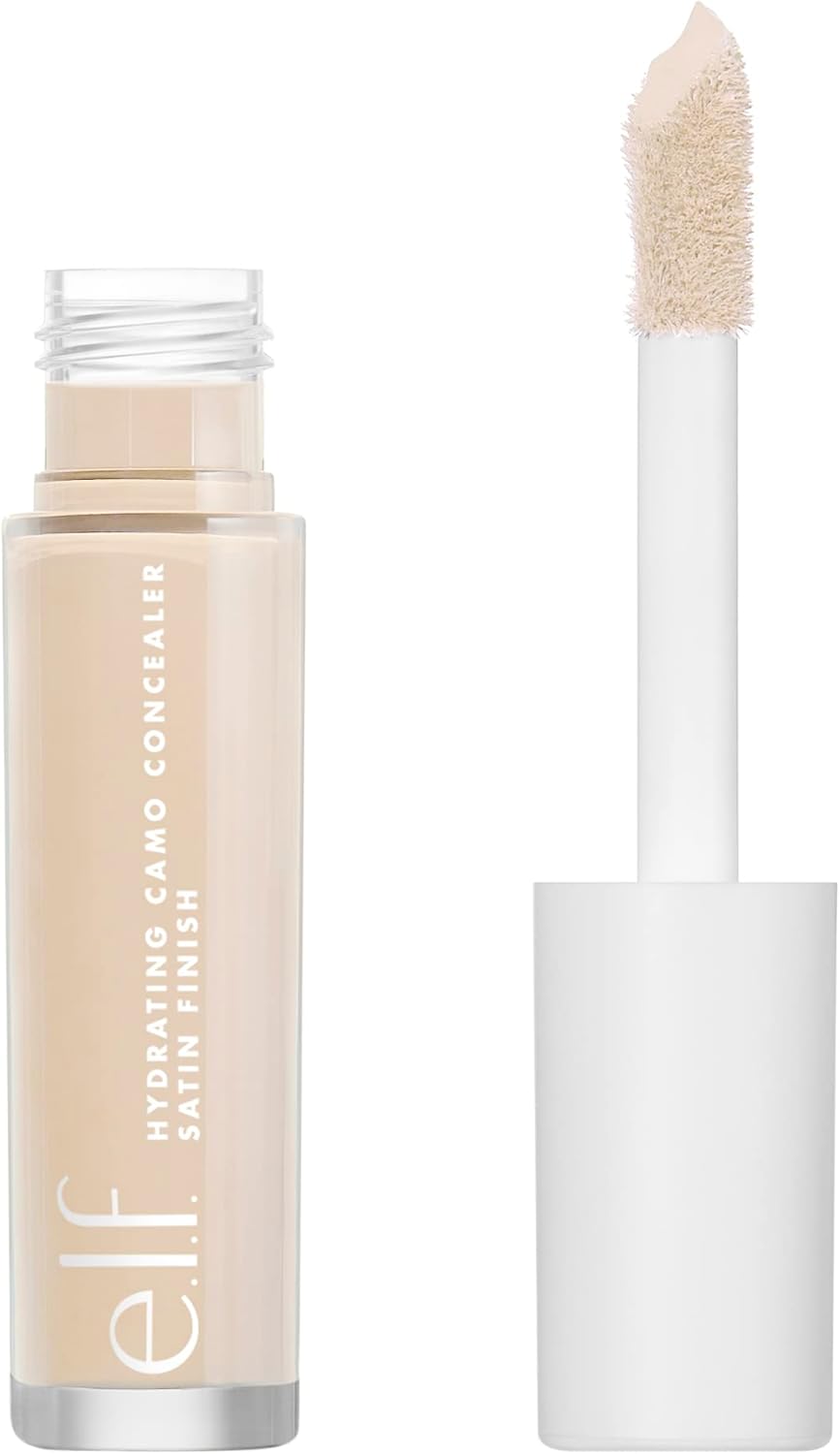
The e.l.f. Hydrating Camo Concealer (£7.85) is our hot weather pick: a satin-finish formula in 23 shades that reviewers say blends easily and does not cling to dry patches. It takes a minute to dry down, so apply it to moisturised skin, let it sit briefly, then pat the edges out with a ring finger or damp sponge. Buyers are unanimous on one point, that it must be set with powder or it will crease and transfer, which brings us neatly to step 2.
Step 2: Powder Only Where You Shine
Powder is the workhorse of a sweat proof makeup routine, but it goes wrong the moment it goes everywhere. All-over powdering in summer creates a stiff, flat finish that cracks as your face moves and looks worse with every touch-up.
Instead, press powder only into the zones that actually produce oil: forehead, nose, chin and upper lip. Use a small puff or the edge of a sponge and press rather than sweep, because sweeping motions lift foundation straight back off. Dry cheeks usually need nothing at all.
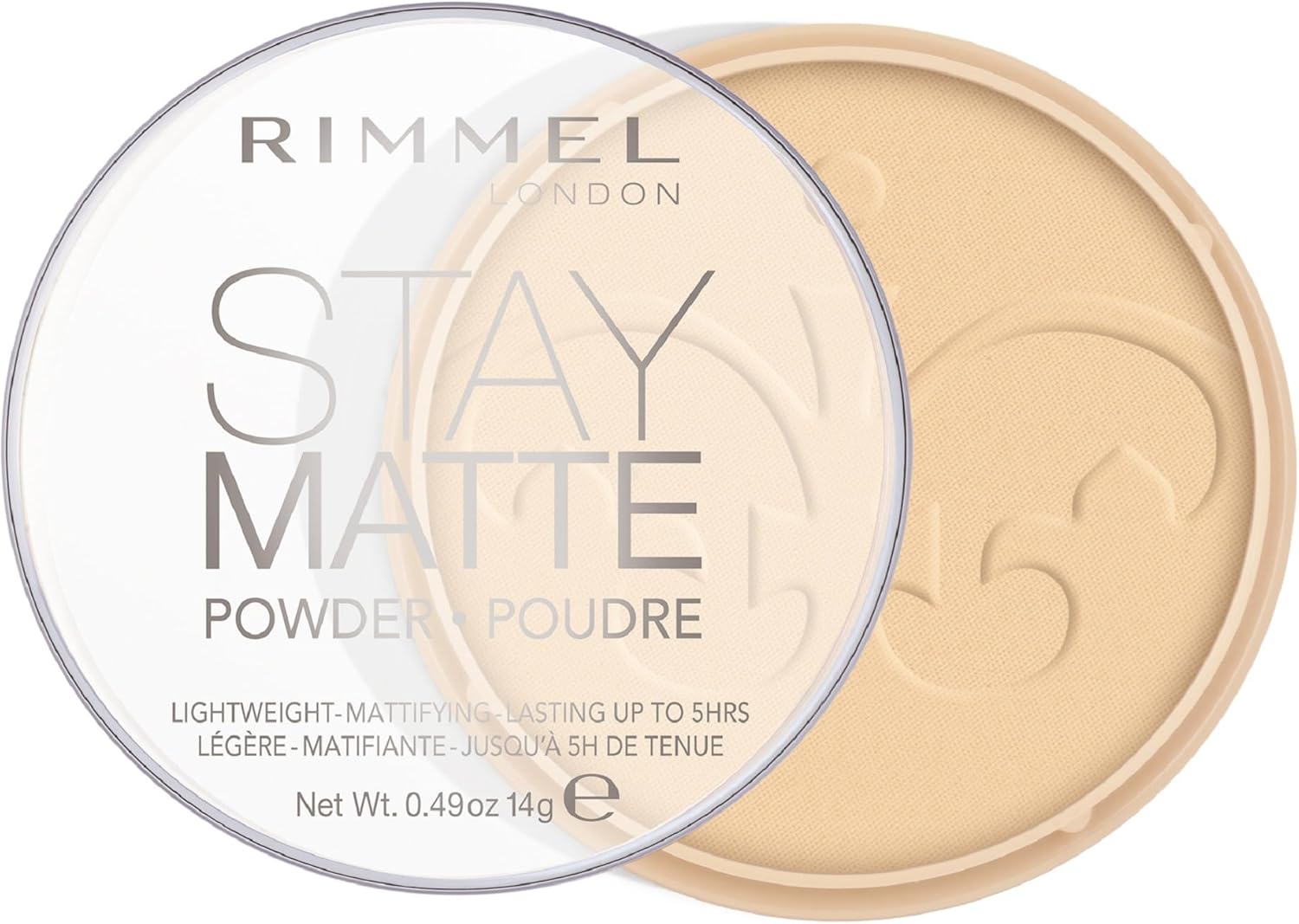
The Rimmel Stay Matte Pressed Powder (£2.95) holds the number one spot in UK face powders on the strength of more than 53,000 ratings, and the Transparent shade is the one to buy for heat. It flattens shine without shifting your foundation colour or leaving a white cast, and the texture is smooth rather than chalky, so it layers through the day without caking. Oily-skinned reviewers report around five hours of shine control from one application, even on warmer days, and at under £3 several buyers keep one compact at home and another in their handbag.
One practical warning from the reviews: the compact itself is fragile and lids do crack, so cushion it in an inside pocket rather than letting it rattle around loose.
Step 3: Lock It Down With Setting Spray
Setting spray does the one job powder cannot: it bonds foundation, concealer and powder into a single flexible film, so sweat beads on the surface instead of working through the layers. It is also what stops makeup transferring onto phone screens, sunglasses and shirt collars.
Technique matters more than most people think. Let your makeup settle for 30 seconds first, shake the can, hold it about 30cm from your face and mist in a circular motion with your eyes and mouth closed.
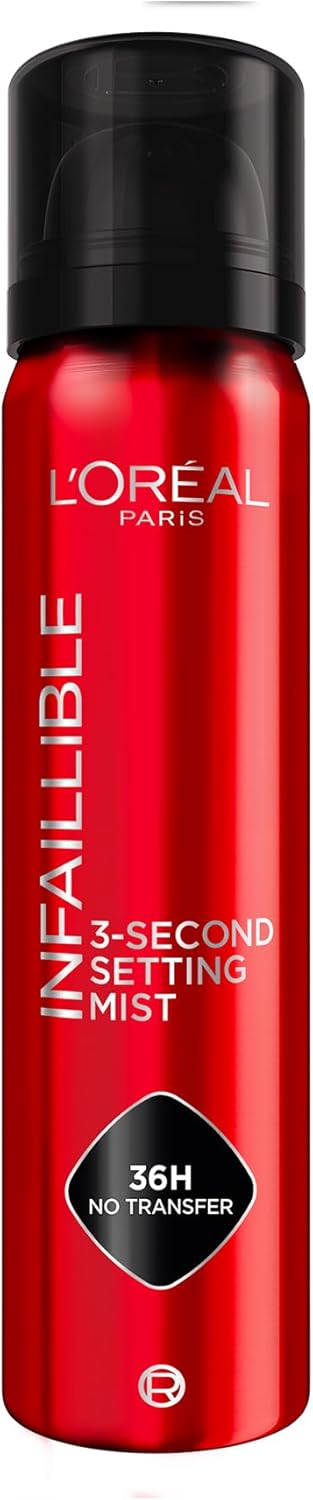
The L'Oreal Infallible 3-Second Setting Spray (£9.03) is the UK's number one setting spray and the most convincing heat performer we have reviewed. The aerosol mist is far finer than a pump bottle, dries in about three seconds and leaves no sticky residue. One buyer fell off a boat into Lake Windermere and reported that her foundation had not moved, and night-shift workers describe their makeup holding through 12-hour shifts. Borrow the collar trick from the reviews too: a light mist on your neckline stops foundation marking your clothes.
Two honest caveats. The scent is strong and divides buyers sharply, with many comparing it to hairspray, and a small number reported irritation after use, so patch test first if your skin is reactive. Keep it away from your hairline as well, unless you want your baby hairs set solid.
Setting Spray vs Setting Powder: Which Matters More?
They are not rivals, because they do different jobs. Powder works from inside your makeup, absorbing oil as your skin produces it through the day. Spray works at the surface, sealing the layers together and stopping movement and transfer.
If you only want to buy one, choose by skin type. Oily skin gets more value from powder, since oil breakthrough is its main failure mode. Dry skin gets more from spray, because there is little oil to absorb and powder can sit dusty on a dry cheek.
In a proper UK heatwave, with sweat and oil arriving together, use both. The pairing is what turns shine control into all-day hold, and at £2.95 plus £9.03 for the two products above, the whole system costs less than one premium setting spray.
Do you apply setting spray before or after powder?
After. Powder goes on first to absorb oil, then the spray fuses foundation, concealer and powder into one film. The mist also melts away that freshly powdered, dusty look.
Doing it the other way round leaves loose powder sitting on a tacky film, where it grabs unevenly and cakes. If you remember one rule from this guide, make it this: powder first, spray last.
Touch-Ups That Do Not Add Layers
By mid-afternoon on a hot day some shine is inevitable, even with a well-set base. What you do next decides whether your makeup survives until the evening.
Does blotting paper work better than re-powdering?
Blot first, every time. Blotting paper lifts oil off the surface without adding anything, so you can use it five times a day with zero build-up. Pressing powder onto unblotted oil mixes the two into a paste, and by the third top-up there is visible cake around the nose.
The right order is blot, check the mirror, then powder only if shine remains: one light press of the Stay Matte compact through the T-zone is plenty. No blotting papers to hand? A folded clean tissue pressed flat against the skin does most of the same job.
Your summer handbag kit needs exactly three things: blotting papers or tissues, the powder compact and your lip product. The foundation stays at home. If the base is thin and properly set, you will not need it before you are back through your front door.
Frequently Asked Questions
How do I stop my makeup sliding off in hot weather?
Use thinner layers and set them properly: one light coat of long-wear foundation, concealer only where needed, powder pressed into your T-zone and a setting spray over the top. Most sliding comes from oil dissolving heavy product, so blot oil during the day instead of wiping. Prep matters too: a light moisturiser and fully absorbed SPF give foundation a far grippier surface.
Do you apply setting spray before or after powder?
After powder, always. Powder absorbs oil from within your base, then the spray bonds foundation, concealer and powder into one flexible film. Spraying first leaves powder sitting loose on a tacky surface, where it grabs unevenly and cakes.
Should I use powder or cream products in summer?
Oily skin holds powder blush and bronzer better in the heat, because they layer over a set base without disturbing it. Dry skin can stay with cream products, applied thinly and set only through the T-zone. Whichever you choose, thick application slides fastest, so keep every layer light.
Is it better to wear less foundation in the heat?
Yes. A thin layer of foundation with concealer on blemishes and under the eyes outlasts a full-coverage application every time. Less product means less material for oil and sweat to move, and any fading is far less obvious on a sheer base.
Does blotting paper work better than re-powdering?
Blot first, then powder only if you still see shine. Blotting lifts oil away without adding product, while re-powdering over unblotted oil mixes powder into the slick and builds visible cake by the afternoon.
How do I stop makeup transferring onto my clothes in summer?
A setting spray is the single best defence against transfer, because it forms a film over your finished makeup. Give it a minute to dry fully before you get dressed, and mist a small amount onto collars or necklines for extra insurance, a trick L'Oreal Infallible buyers swear by.