
How to Get Rid of Blackheads on Your Nose (UK Guide)
Published 26 August 2026
Blackheads on the nose are oxidised oil, not dirt, so scrubbing never shifts them. Here is the salicylic acid and retinoid routine that clears them in weeks, plus the popular fixes that quietly make things worse.
We earn commission from qualifying Amazon purchases. It costs you nothing and does not affect what we recommend.
Quick Answer
Blackheads on the nose are pores blocked with oil and dead skin cells that have oxidised and turned dark, so the fix is dissolving the blockage rather than scrubbing at it. Cleanse twice a day with a salicylic acid wash, use a leave-on 2% BHA exfoliant two to three evenings a week, then add a retinoid at night plus an oil-free moisturiser and SPF. Most people see clearer pores within two to four weeks, and keeping the routine going is what stops new blackheads forming.
- Step 1: Check They Are Actually Blackheads
- Step 2: Cleanse Twice a Day With a Salicylic Acid Wash
- Step 3: Use a BHA Exfoliant to Dissolve the Blockage
- Step 4: Add a Retinoid at Night to Stop New Ones Forming
- Step 5: Moisturise and Finish With an Oil-Free SPF
- Step 6: Avoid the Traps and Know When to Go Professional
- Frequently Asked Questions
- Related Reading
Nose blackheads are stubborn for a simple reason: the nose produces more oil than anywhere else on your face, and its pores are larger and easier to clog. Scrubbing harder does nothing, because the dark colour is not dirt sitting on the surface. It is oil inside the pore that has oxidised on contact with air, and it needs to be dissolved, not buffed.
The good news is that dermatologists broadly agree on what works: an oil-soluble exfoliant to clear the plug, a retinoid to stop new plugs forming, and a routine you actually stick to, because skin re-clogs itself roughly every 20 to 40 days. This guide walks through that routine step by step with affordable UK products we have reviewed ourselves, then covers the popular fixes that do more harm than good and the professional treatments to consider if home care is not enough.
Step 1: Check They Are Actually Blackheads
Before spending any money, look closely at what is on your nose, because two different things get called blackheads and only one of them will ever fully clear.
- True blackheads are open comedones: pores blocked with a plug of sebum and dead skin cells. The top of the plug sits open to the air, oxidises and turns dark brown or black. They are slightly raised, scattered rather than uniform, and often appear alongside the odd whitehead.
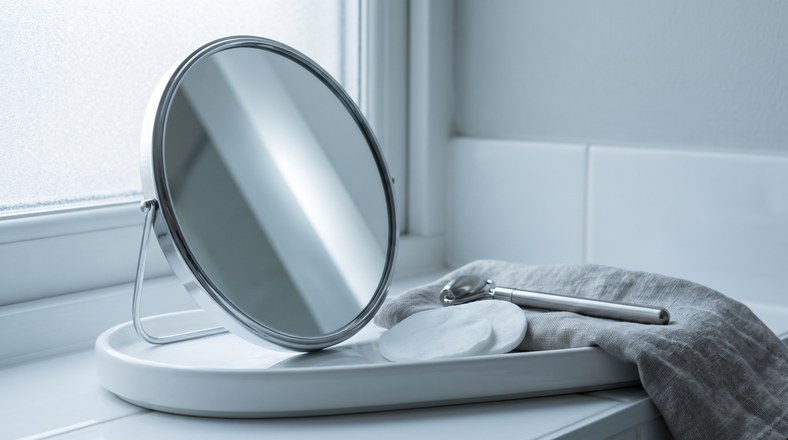
- Sebaceous filaments are the tiny flat grey or tan dots most people spot across the nose in a magnifying mirror. They are a normal part of how pores carry oil to the surface, and they sit in an even pattern. Squeezing one produces a thin waxy strand that returns within days, and no product removes them permanently.
If yours are true blackheads, the routine below can clear them and keep them away. If they are mostly filaments, the same routine will shrink and soften how they look, but the realistic goal is barely visible rather than gone. Either way, blackheads are not a hygiene problem, and they are rarely painful or inflamed, so there is no need for aggressive treatment. One more expectation to set: pores re-clog on a natural cycle of roughly 20 to 40 days, so think of this as a routine you keep, not a one-off rescue mission.
 Featured
15% OFF*Limited offer
One Sunday. A week of food, sorted.
23 high-protein recipes, cycle-synced for women who lift.
23 recipes · 60-page PDF · Instant download
£19.20 £16.32
See it on Etsy*Seller's discount on Etsy - may end at any time.
Step 2: Cleanse Twice a Day With a Salicylic Acid Wash
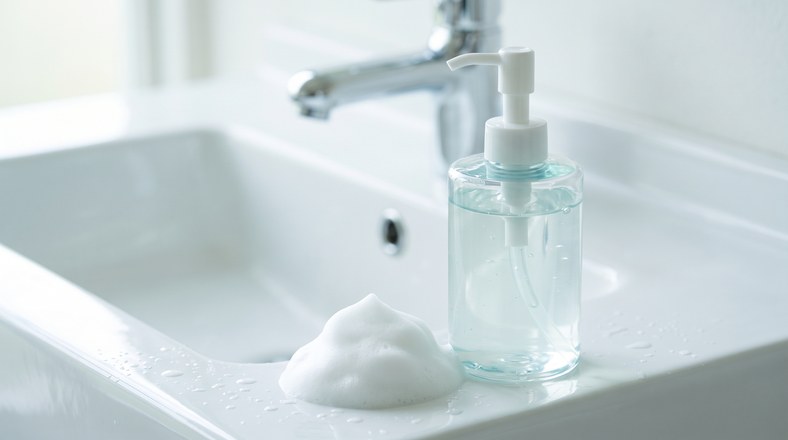
Washing your face morning and evening clears the surface layer of oil, sweat, sunscreen and makeup before it can settle into pores, and it preps the skin so the treatments in the next steps can reach the blockage. For blackhead-prone skin, a cleanser with salicylic acid earns its place because the acid starts loosening oil in the pore lining while you wash.
- Cleanse for around 60 seconds with lukewarm water, working the product over the nose and around the nostrils where oil collects, then pat dry.
- Wash again as soon as you can after sweaty exercise. Sweat mixes with oil and dead skin cells and sits in pores if it dries on your face.
- Remove makeup fully at night. Foundation and concealer left behind in pores is one of the most common causes of congestion.
- Do not cleanse more than twice a day, and skip gritty scrubs on the nose. Stripping the skin triggers rebound oil production, which means more blackheads, not fewer.
- Change your pillowcase once or twice a week so you are not pressing old oil back into your skin overnight.
We rate CeraVe Blemish Control Cleanser for this job: salicylic acid and niacinamide in a gentle gel that does not leave skin feeling tight. On a tighter budget, NIVEA Derma Skin Clear Wash Gel pairs the same two ingredients at supermarket prices.
Step 3: Use a BHA Exfoliant to Dissolve the Blockage
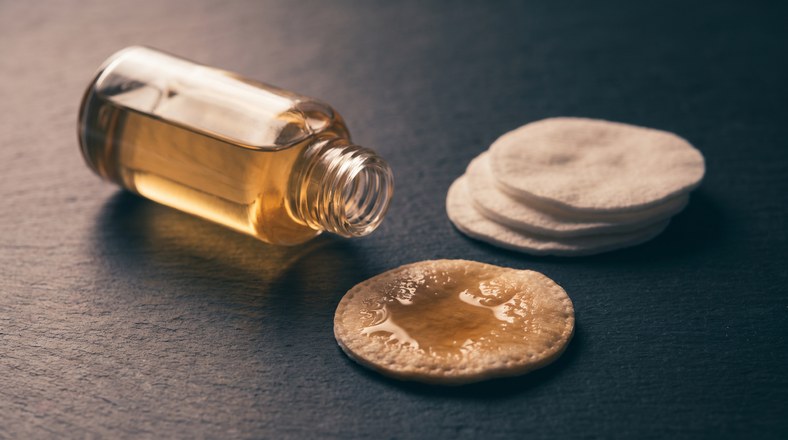
This is the step that clears the blackheads you already have. Salicylic acid is a beta hydroxy acid (BHA) and the only widely used exfoliating acid that is oil soluble, which means it can travel down into the pore and break up the plug of oil and dead cells from the inside. Water-soluble AHAs such as glycolic and lactic acid work mainly on the surface, so they smooth texture and brighten but cannot reach into the blockage in the same way.
- Start with a leave-on 2% salicylic acid liquid two or three evenings a week, applied to clean, dry skin across the nose and T-zone. There is no need to rinse it off.
- Build up to every other night, or nightly if your skin stays comfortable. If you get tightness or flaking, drop back a night and let your skin catch up.
- Expect visibly clearer pores within two to four weeks of consistent use. Blackheads dissolve gradually rather than lifting out in one satisfying go.
- Once a week, a clay or charcoal mask on the nose is a useful extra for soaking up excess oil, though it supports the acid rather than replacing it.
Paula's Choice Skin Perfecting 2% BHA Liquid Exfoliant is the benchmark here and the product we would buy first for nose blackheads. If you prefer a quick swipe-on format, medicube Zero Pore Pads 2.0 combine 0.45% salicylic acid with 4.5% lactic acid on a dual-textured pad, a gentler entry point that also polishes surface texture.
Step 4: Add a Retinoid at Night to Stop New Ones Forming
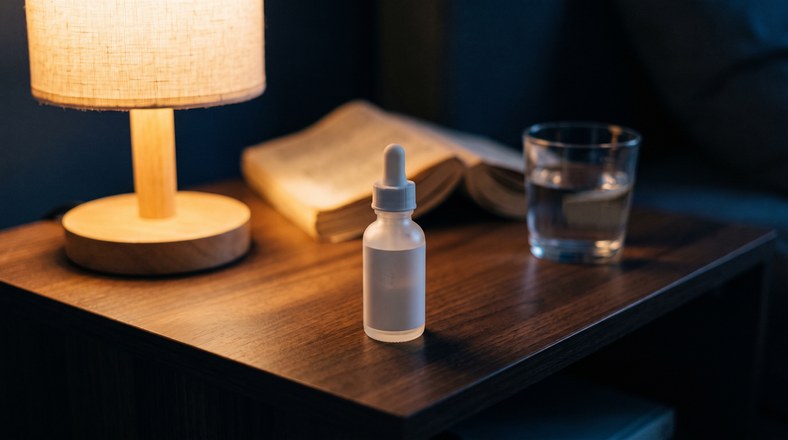
Exfoliating acids clear existing blackheads. Retinoids are how you stop the next batch. By speeding up cell turnover they stop dead skin cells sticking together inside pores, and with long-term use they can modestly reduce oil production too. Dermatologists lean on them for exactly the reason blackheads feel endless: the same pores refill within weeks if nothing changes how the skin behaves.
- Start with a low-strength retinol or retinal product two nights a week, using a pea-sized amount for the whole face after cleansing.
- Increase frequency slowly over four to six weeks. Some dryness or light flaking while your skin adjusts is normal and settles down.
- Alternate nights with your BHA rather than layering both at once, at least until your skin has adapted to each of them.
- Skip retinoids entirely if you are pregnant or breastfeeding. Bakuchiol is the usual plant-based alternative, and azelaic acid also helps break up clogged pores while suiting very sensitive skin.
celimax The Vita A Retinal Shot is a sensible way in: 0.1% retinal, which converts in the skin faster than retinol, in a small booster bottle that slots into an existing evening routine.
Step 5: Moisturise and Finish With an Oil-Free SPF
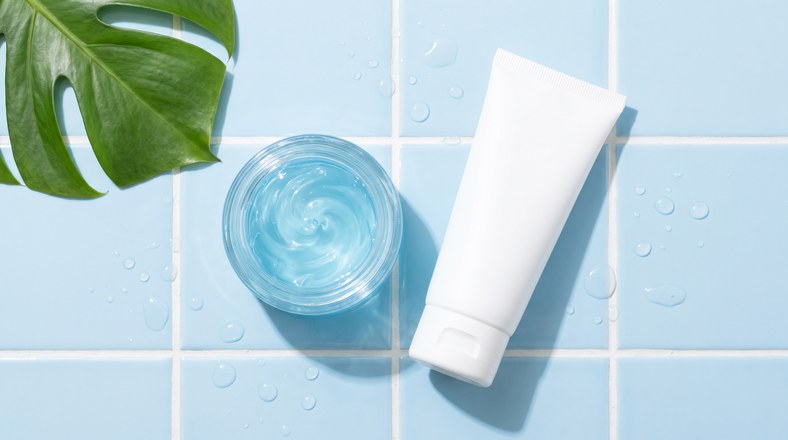
Skipping moisturiser feels logical when the problem is too much oil, but it backfires. Dehydrated skin compensates by producing more sebum, and both salicylic acid and retinoids are drying, so the routine above only stays comfortable if you put water back in. The trick is choosing textures that hydrate without adding grease.
- Use an oil-free, non-comedogenic gel moisturiser morning and night. Hyaluronic acid and niacinamide hydrate and support the skin barrier without clogging pores.
- Finish every morning with sunscreen. Exfoliating acids and retinoids remove part of the skin's protective layer of dead cells, which leaves it noticeably more sensitive to UV.
- Pick an SPF labelled oil-free or lightweight. A heavy, greasy sun cream sitting on the nose all day is a classic cause of congestion, and it puts people off wearing SPF at all.
Neutrogena Hydro Boost Water Gel is our pick for the moisturiser slot: oil-free, featherweight and non-comedogenic, so it hydrates without adding to the congestion. For the SPF slot, COSRX Ultra-Light Invisible Sunscreen SPF50 feels closer to a serum than a sun cream and leaves no white cast or greasy film.
Step 6: Avoid the Traps and Know When to Go Professional
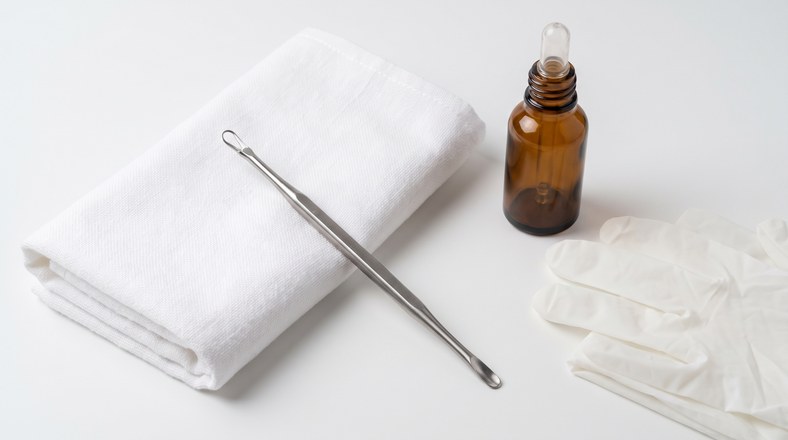
Half the battle with nose blackheads is not undoing your own progress. These are the popular fixes dermatologists consistently warn against:
- Squeezing with fingers or nails. Pressure can push the plug deeper, spread bacteria and leave red marks or scarring that outlast the blackhead by months. If one genuinely needs removing, a professional with a sterile comedone extractor should do it.
- Pore strips as a strategy. They can pull out some oxidised plugs, but they also lift away natural oils, can irritate skin with repeated use, and do nothing about oil production, so the pores refill within weeks. Occasional use before an event is fine; twice a week is not a plan.
- Benzoyl peroxide. Excellent on red, inflamed spots, but blackheads are non-inflammatory, so it does little here. Save it for angry breakouts.
- Self-tan on the nose. Tanning products settle into open pores and stain the plugs darker, making blackheads more obvious. Keep fake tan away from the nose area or blend a face formula carefully around it.
- Kitchen remedies. Lemon juice, toothpaste and bicarbonate of soda are the wrong pH for skin and cause irritation without touching the blockage.
If eight to twelve weeks of the routine above has not shifted stubborn blackheads, professional help is the next step. UK clinic options include professional extraction, HydraFacial-style treatments that flush pores and lift out congestion with gentle vacuum suction, and courses of glycolic peels. Check any clinic is CQC registered, and ask your GP or a dermatologist about prescription retinoids such as adapalene or tretinoin, which go beyond anything sold over the counter. Before paying for a peel course, try an at-home glycolic option first: The Ordinary Glycolic Acid 7% Exfoliating Toner used a few evenings a week, on nights you are not using your BHA or retinoid, delivers a milder version of the same resurfacing for a small fraction of a clinic peel course.
Frequently Asked Questions
How long does it take to get rid of blackheads on your nose?
With a consistent salicylic acid routine, most people see visibly clearer pores within two to four weeks, while deeper, long-standing blackheads can take six to eight. Because pores naturally re-clog every 20 to 40 days, keeping the routine going matters more than any single product.
Is it bad to squeeze blackheads on your nose?
Yes. Squeezing can force the plug deeper into the pore, introduce bacteria and leave red marks or scarring that last far longer than the blackhead itself. If one genuinely needs removing, a professional extraction with a sterile tool is the safe route.
Why do I only get blackheads on my nose?
The nose has more sebaceous glands than any other part of the face, plus larger pores and crevices around the nostrils where oil collects. More oil and bigger openings mean more chances for plugs to form and oxidise, even when the rest of your face stays clear.
Are the black dots on my nose blackheads or sebaceous filaments?
If they are uniform, flat, grey or tan dots spread evenly across the nose, they are almost certainly sebaceous filaments, a normal structure that carries oil to the surface. True blackheads are darker, slightly raised and more randomly scattered. Salicylic acid makes filaments less visible, but nothing removes them permanently, so aim for minimised rather than gone.
Related Reading
- Acne-Prone Skin? These 7 Spot-Fighting Products Have Tens of Thousands of UK Reviews
- How to Start Using Retinol Without Irritation (UK Guide)
- The Best Face Cleansers for Every Skin Type, Compared and Reviewed
- How to Layer Skincare in the Right Order
Disclaimer: This article contains Amazon affiliate links. We may earn a small commission from qualifying purchases at no extra cost to you.